

The Department of Veterans Affairs (VA) loan program has emerged as a vital financial resource for U.S.military service members, veterans, and eligible surviving spouses seeking to achieve homeownership. Established to honor the sacrifices made by these individuals, VA loans offer a range of benefits designed to facilitate access to affordable housing. This article will delve into the functions and advantages of VA loans, providing a comprehensive overview of how they operate, the eligibility requirements, and their unique features. By understanding the intricacies of VA loans, potential borrowers can make informed decisions and effectively leverage this invaluable benefit as part of their financial strategy.
Table of Contents
- Understanding the Basic Structure of VA Loans
- Evaluating Eligibility Criteria for VA Loan Applicants
- Exploring the Financial Advantages of VA Loans
- Navigating the Application Process for VA Loans
- To Conclude
Understanding the Basic structure of VA loans
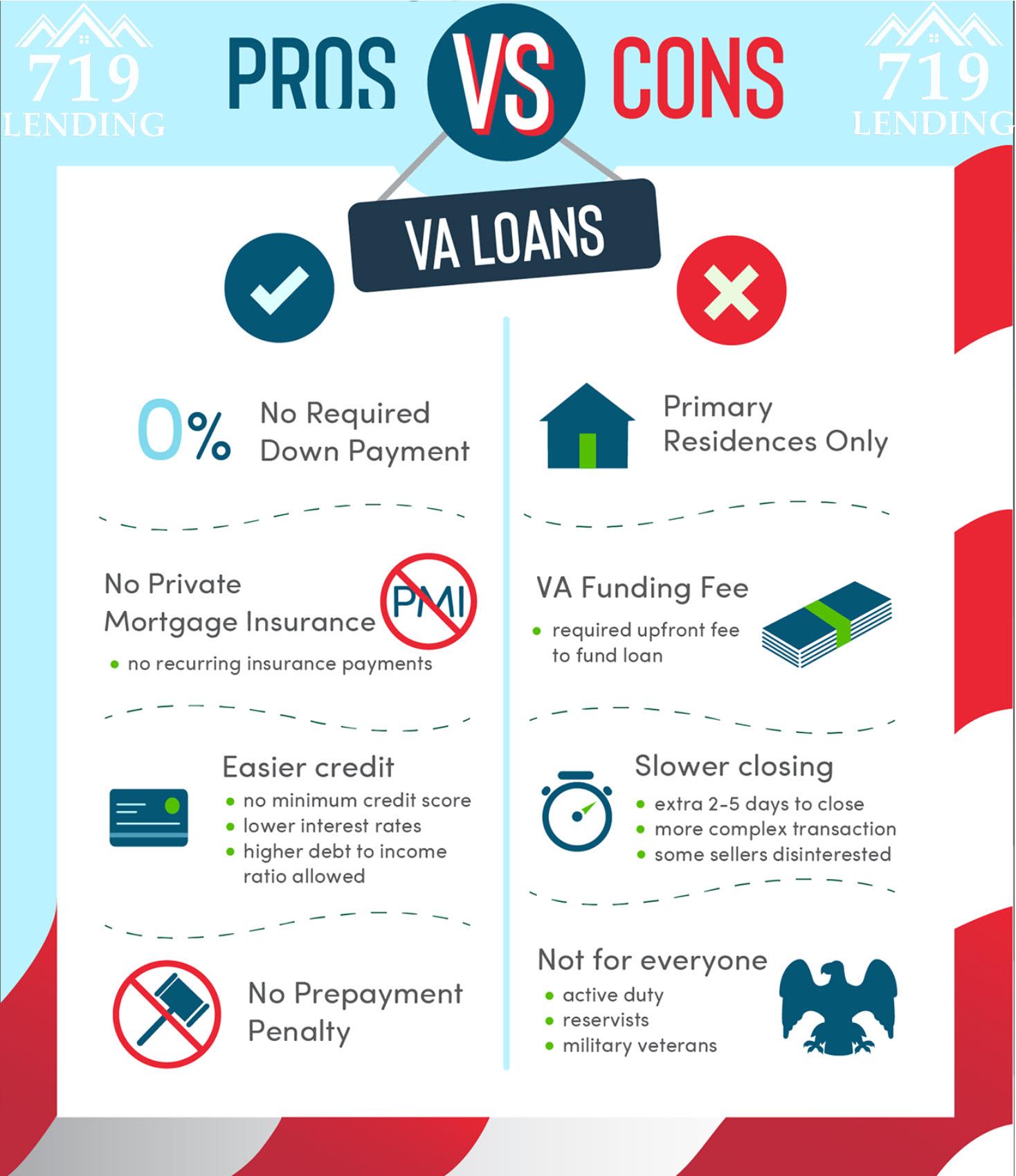
VA loans are a unique form of mortgage designed specifically for eligible veterans,active-duty service members,and certain members of the National Guard and Reserves.One of the key elements of these loans is that they are backed by the U.S. Department of Veterans Affairs, which significantly reduces risks for lenders. This guarantee allows for several advantages, including:
- No Down payment Required: Eligible borrowers can finance the entire purchase price without any upfront cash.
- No Private Mortgage Insurance (PMI): Unlike conventional loans, VA loans eliminate the added cost of PMI, saving money over time.
- Competitive Interest Rates: VA loans often feature lower rates compared to other mortgage options, making housing more affordable.
In addition to these benefits, VA loans have flexible credit requirements that are advantageous for those who may have less-than-perfect credit. Lenders can also take into account the borrower’s overall financial situation, allowing for a more personalized loan approval process. The following table illustrates some of the basic eligibility requirements for VA loans:
| Eligibility Criteria | Details |
|---|---|
| Service Duration | Must have served 90 consecutive days of active service during wartime or 181 days during peacetime. |
| Loan Purpose | Can be used to purchase, build, or refinance a home. |
| Certificate of Eligibility (COE) | Borrowers must obtain a COE to access VA loan benefits. |
Evaluating Eligibility Criteria for VA Loan Applicants
When assessing eligibility for VA loans, it is crucial to understand the defining criteria set by the U.S. Department of Veterans Affairs. Eligible borrowers typically include those who are active-duty service members, veterans, and some surviving spouses. The key requirements can be outlined as follows:
- Service Length: Applicants generally need to have served a minimum period, usually 90 days of active service during wartime or 181 days during peacetime.
- Character of Service: A discharge status of “honorable” or “general under honorable conditions” is essential to qualify.
- Creditworthiness: While VA loans do not establish a specific credit score requirement,a solid credit history typically enhances loan approval chances.
additionally, potential applicants must also demonstrate their ability to repay the loan through stable income, which is often verified by a debt-to-income ratio analysis. The VA does not cap income limits but requires verification of consistent financial health. The following table summarizes key income considerations:
| Income Type | Verification Method |
|---|---|
| Gross Monthly Income | Recent Pay Stubs and W-2s |
| Additional Income Sources | Tax Returns (2 years) |
| Bonuses/Commissions | Two-Year Average Documentation |
Exploring the Financial Advantages of VA Loans
Utilizing a VA loan offers significant financial benefits, setting it apart from conventional mortgage options. One of the most significant advantages is the no down payment requirement, which enables qualified veterans and active-duty service members to purchase homes without the burden of substantial upfront costs. Additionally, VA loans come with competitive interest rates and do not require private mortgage insurance (PMI), typically resulting in lower monthly payments over the life of the loan.
Furthermore, VA loans present the versatility of less stringent credit score requirements compared to customary loans, making homeownership accessible to a larger segment of military personnel. With options for streamlined refinancing through the Interest Rate Reduction Refinance Loan (IRRRL) program, veterans can efficiently lower their rates or switch to more favorable loan terms. Below is a comparison of some key features that highlight the financial advantages of VA loans:
| Feature | VA Loan | Conventional Loan |
|---|---|---|
| Down Payment | No | Usually 3-20% |
| private Mortgage Insurance | None | Required if < $20% down |
| Interest Rates | Lower | Variable |
| Credit Score Requirement | Flexible | Higher |
Navigating the Application Process for VA Loans
Embarking on the journey to secure a VA loan can feel daunting, but understanding the application process is the first step toward home ownership. To start, it’s essential to gather all necessary documentation, including proof of military service, income statements, and credit reports. This planning not only streamlines the process but also enhances your chances of approval. Key components of the application process include:
- Certificate of Eligibility (COE): This document verifies your eligibility for VA loan benefits.
- pre-approval: Engaging with lenders for a pre-approval can provide an estimate of how much you can borrow.
- Choosing the Right Lender: Not all lenders are equal; researching and comparing their offerings can yield better terms.
- Property Appraisal: An appraisal is necessary to determine the value of the home you wish to purchase.
Once you have your documentation in order, the next phase involves completing the loan application itself. This includes disclosing personal financial information, employment history, and any additional details the lender may require. Throughout this process, communication with your lender is paramount to address any inquiries or concerns. To assist you further, here’s a simple overview of typical step-by-step requirements during the VA loan application:
| Step | Action |
|---|---|
| 1 | Obtain your Certificate of Eligibility. |
| 2 | Choose a VA-approved lender. |
| 3 | Prepare necessary documentation. |
| 4 | Complete the loan application. |
| 5 | Schedule a property appraisal. |
| 6 | Close on your new home! |
To Conclude
VA loans represent a significant benefit for eligible veterans, active-duty service members, and certain members of the National Guard and Reserves, offering a range of financial advantages tailored to support homeownership. By understanding the intricate functions of VA loans, including the absence of a down payment, competitive interest rates, and favorable loan terms, borrowers can make informed decisions that align with their financial goals. These loans not only facilitate access to housing but also recognize the sacrifices made by service members and their families. As you navigate the home-buying process, leveraging the unique features of VA loans can help you secure a stable and rewarding future. We encourage you to explore further resources and consult with a VA loan specialist to maximize the benefits available to you.