

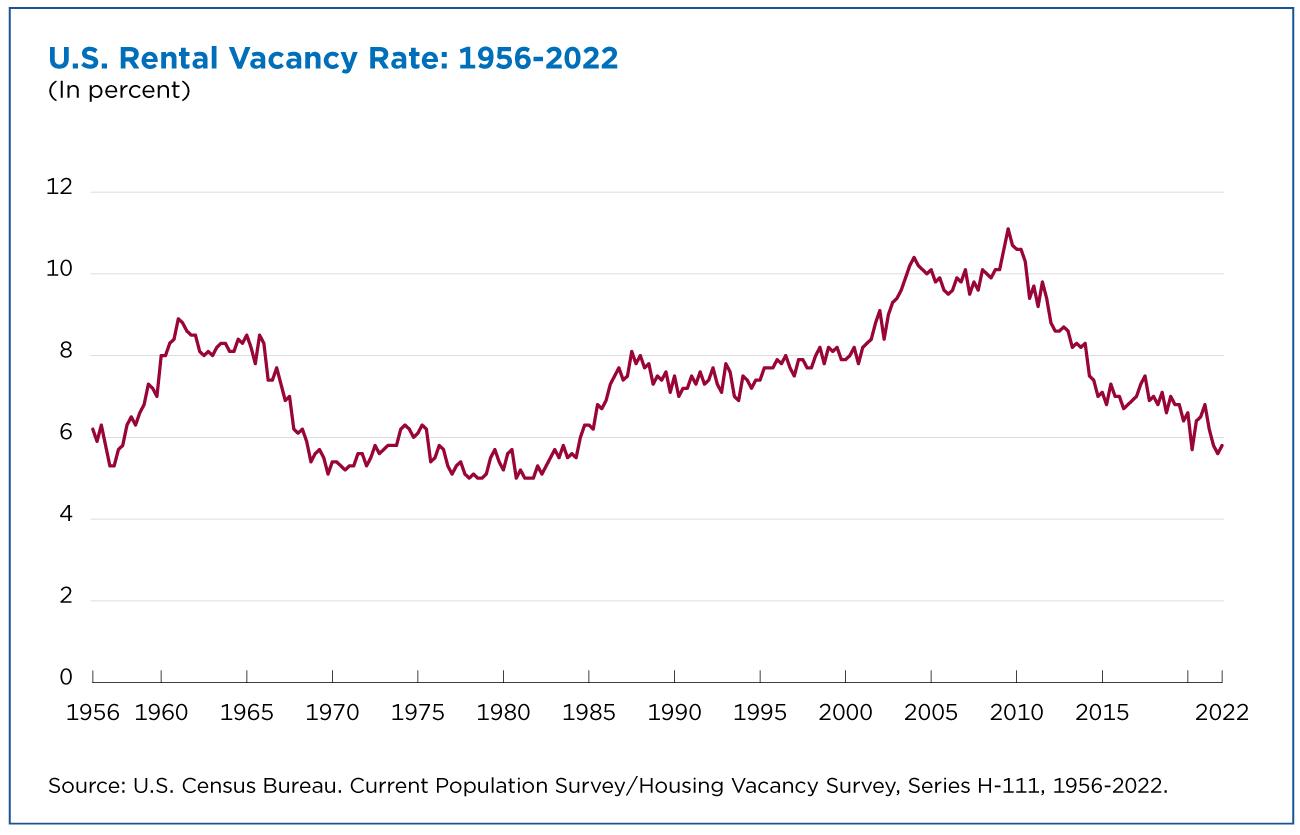
In the complex landscape of housing markets, rental vacancy rates serve as a critical indicator of economic health and housing demand dynamics. Analyzing these rates provides valuable insights into the interplay between supply and demand, influencing everything from rental prices to urban development strategies. As fluctuating vacancy rates reflect broader economic conditions—such as employment trends, migration patterns, and shifts in consumer preferences—they hold profound implications for investors, policymakers, and prospective renters alike. This article undertakes a comprehensive examination of rental vacancy rates, exploring their causes, implications, and potential predictive power for future market trends. By dissecting the nuances of these metrics, we aim to illuminate how they shape the housing landscape and influence stakeholders at every level of the market.
Table of Contents
- Analyzing the Current Trends in Rental Vacancy Rates and Their Economic Implications
- Evaluating Geographic Variations in Vacancy Rates and Housing Affordability
- Understanding the Role of Rental Vacancy Rates in Shaping Urban Development Policies
- Strategic Recommendations for Stakeholders to Mitigate Vacancy Challenges in Housing Markets
- Closing Remarks
Analyzing the Current Trends in Rental Vacancy Rates and Their Economic Implications
The dynamics of rental vacancy rates provide critical insights into the health of the housing market and broader economic conditions. A rise in vacancy rates often signifies an oversupply of rental properties or declining demand, both of which can pressure property owners and investors. Conversely, low vacancy rates typically indicate strong demand, suggesting that renters are competing for limited housing stock, which can drive rental prices upward. Understanding these trends is essential for stakeholders to make informed decisions in a fluctuating market.
Economic implications associated with these vacancy trends are multi-faceted. High vacancy rates may lead to *increased tenant incentives*, such as reduced rents or improved amenities, which can dilute property owner profits. Additionally, they might compel developers to revisit their project pipelines, potentially delaying new constructions, which could exacerbate future shortages. On the other hand, sustained low vacancy rates can stimulate *property appreciation*, attracting new investments into the area. This environment could catalyze economic growth but may also risk pricing out the very residents that drive local economies. Key aspects of these trends include:
- Impact on rental prices
- Changes in investor behavior
- Shifts in new construction patterns
- Influence on local economies
| Trend | Implication |
|---|---|
| High Vacancy Rates | Increased tenant competition, potential rent reductions |
| Low Vacancy Rates | Higher rental prices, potential for property appreciation |
Evaluating Geographic Variations in Vacancy Rates and Housing Affordability
The relationship between vacancy rates and housing affordability is complex and varies significantly across different geographic areas. High vacancy rates often indicate an oversupply of housing, leading to lower rental prices as landlords compete to attract tenants. However, this situation can have a double-edged effect. In some regions, especially urban centers with escalating costs, a surge in construction and subsequent vacancies may result in more affordable housing options. Conversely, in markets with consistently high vacancy rates, prolonged economic decline and population loss can exacerbate inequities, making it challenging for certain demographics to secure adequate housing.
Furthermore, the intersection of vacancy rates and housing affordability reflects broader economic trends and societal shifts. Factors such as employment opportunities, local policies, and socioeconomic conditions play crucial roles in shaping these dynamics. For example, regions experiencing economic revitalization might witness decreased vacancy rates alongside increasing housing demand, ultimately driving up prices despite a seemingly surplus housing stock. On the other hand, areas facing stagnation may struggle with persistent vacancies, limiting landlords’ ability to adjust rents or invest in property improvements. Understanding these geographic variations is essential for policymakers and stakeholders aiming to create sustainable housing solutions.
| Region | Vacancy Rate | Average Rent | Affordability Index |
|---|---|---|---|
| Urban Center | 5% | $2,500 | 1.5 |
| Suburban Area | 3% | $1,800 | 2.3 |
| Rural Community | 7% | $1,200 | 1.8 |
| Declining Town | 10% | $900 | 3.5 |
Understanding the Role of Rental Vacancy Rates in Shaping Urban Development Policies
Rental vacancy rates serve as crucial indicators in the formation and execution of urban development policies. High vacancy rates often signal an oversupply of rental units in a market, prompting policymakers to assess zoning regulations and the balance of residential versus commercial space. This feedback loop encourages a closer look at factors driving vacancies, such as economic shifts, demographic trends, or the attractiveness of neighborhoods. Additionally, low vacancy rates may indicate housing shortages, influencing strategies for new construction, infrastructure improvements, and resource allocation. Urban planners frequently analyze these rates to develop comprehensive approaches aimed at sustainable growth and affordable housing provision.
Understanding rental vacancy trends is essential for creating targeted interventions that can significantly impact housing markets. For instance, in neighborhoods experiencing persistent low vacancy rates, policymakers might consider incentives for new developments or renovations to meet demand. Conversely, areas with high vacancy can benefit from revitalization initiatives, such as the following:
- Tax incentives for property owners
- Funding for community engagement and improvement projects
- Policy changes to promote mixed-use developments
Moreover, city planners can utilize vacancy data to predict future housing needs and align resources accordingly, ensuring that urban development is both responsive and responsible.
Strategic Recommendations for Stakeholders to Mitigate Vacancy Challenges in Housing Markets
To effectively address the persistent issue of high vacancy rates in housing markets, stakeholders must consider a multifaceted approach. Local governments can play a pivotal role by implementing policies that incentivize property owners to maintain occupancy. Suggested strategies include offering tax breaks or rebates for landlords who keep properties rented. Additionally, fostering partnerships between developers, non-profits, and community organizations can create affordable housing solutions tailored to local needs. This collaborative effort not only enhances the housing supply but also focuses on sustainability and social equity.
Investment in community engagement initiatives is crucial for understanding the specific challenges within neighborhoods experiencing high vacancy rates. Stakeholders can conduct outreach programs to gather feedback from residents and potential renters, identifying barriers to occupancy. Furthermore, utilizing data analytics to monitor market trends and tenant preferences allows stakeholders to adjust their strategies proactively. Table 1 illustrates key recommendations for addressing vacancy challenges, highlighting the roles of different stakeholders:
| Stakeholder | Recommendation |
|---|---|
| Local Government | Implement tax incentives for landlords |
| Developers | Create affordable housing projects |
| Community Organizations | Engage residents in planning processes |
| Investors | Support mixed-use developments |
Closing Remarks
the analysis of rental vacancy rates offers a critical lens through which to understand the broader dynamics of housing markets. As we have explored, fluctuations in vacancy rates can signal shifts in demand, influence rental prices, and reflect the health of the local economy. Policymakers, investors, and industry stakeholders must remain vigilant in monitoring these rates, as they provide essential insights into housing accessibility and affordability. By contextualizing vacancy data within broader economic indicators and demographic trends, we can better anticipate future market movements and implement strategies that foster sustainable housing solutions. As the landscape of rental markets continues to evolve, an in-depth understanding of vacancy trends will be paramount in addressing the pressing challenges faced by communities nationwide. Through continued research and data analysis, we can pave the way for more informed decisions that not only enhance market stability but also promote equitable access to housing for all.