

Navigating the complexities of 1031 exchanges is paramount for real estate investors seeking to optimize their portfolios and defer capital gains taxes on their investments. As a critical tool under Section 1031 of the Internal Revenue Code, these exchanges provide the opportunity to reinvest the proceeds from the sale of one property into another like-kind property without immediate tax implications. However, the process is intricate, involving stringent timelines, specific regulatory requirements, and strategic decision-making that can significantly impact financial outcomes. In this guide, we will delve into the essential elements of 1031 exchanges, exploring the mechanisms, benefits, and potential pitfalls that investors must consider. By equipping real estate professionals with the requisite knowledge and best practices, this article aims to furnish a clear roadmap for successfully navigating the 1031 exchange landscape, ensuring compliance and maximizing investment potential.
Table of Contents
- Understanding the Basics of 1031 Exchanges for Real Estate Investments
- Identifying Eligible Properties and Like-Kind Requirements
- The Role of Qualified Intermediaries in Facilitating Exchanges
- Tax Implications and Strategic Planning for Maximizing Benefits
- Concluding Remarks
Understanding the Basics of 1031 Exchanges for Real Estate Investments
A 1031 exchange, under Section 1031 of the Internal Revenue Code, allows real estate investors to defer paying capital gains taxes on investment properties by reinvesting the proceeds into a similar property. This tax-deferral strategy is a powerful tool, enabling investors to maintain and grow their portfolios without the immediate financial burden of taxes. To successfully execute a 1031 exchange, it is crucial to adhere to specific rules and timelines, ensuring compliance with IRS regulations.
Key elements to consider when engaging in a 1031 exchange include:
- Like-Kind Property: The properties involved must be considered like-kind, meaning they must be of the same nature or character, even though they can differ in grade or quality.
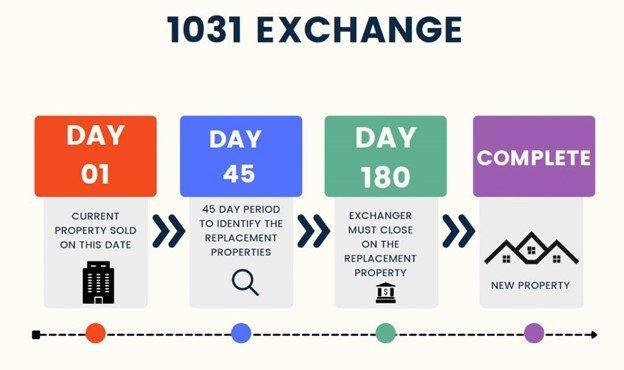
- identification Period: Investors have 45 days after selling their property to identify potential replacement properties.
- Exchange Period: The replacement property must be acquired within 180 days of the sale of the original property.
| Aspect | Description |
|---|---|
| Capital Gains Deferral | Allows reinvestment without immediate tax payment. |
| Qualified Intermediary | A neutral third party must facilitate the exchange. |
| Boot | Cash or non-like-kind property received may be taxable. |
Identifying Eligible Properties and Like-Kind Requirements
To successfully engage in a 1031 exchange, it is indeed crucial to identify properties that meet the like-kind requirements, which generally refer to properties of the same nature or character, nonetheless of grade or quality. This flexibility allows for a variety of real estate types to qualify,including:
- Residential rental properties
- Commercial real estate
- Vacant land
- Leasehold interests
Though,certain exceptions exist,particularly with personal property exchanges and certain types of real estate that do not qualify. It is also important to note that the identification must occur within 45 days from the sale of the relinquished property. Below is a concise overview of key considerations when identifying eligible properties:
| Criteria | Description |
|---|---|
| Timeline | Identify replacement property within 45 days. |
| Number of Properties | Identify up to three properties or more under specific conditions. |
| Investment Intent | Properties must be held for investment or productive use. |
the Role of Qualified Intermediaries in Facilitating Exchanges
Qualified intermediaries (qis) serve a crucial function in the context of 1031 exchanges, acting as the linchpin between the selling and acquiring parties. By facilitating seamless transactions, qis ensure that investors adhere to the strict requirements set forth by the IRS while optimizing tax deferral strategies. Their primary responsibilities include:
- Holding Funds: QIs safely hold the proceeds from the sale of the relinquished property until they are needed for the purchase of the replacement property.
- Document Preparation: They prepare the necessary legal documents to formalize the exchange,ensuring compliance with all regulatory guidelines.
- Advisory Role: QIs provide guidance on structuring the exchange to help investors maximize their tax benefits.
In addition to these key functions, the selection of a qualified intermediary is paramount. Investors should consider critical factors when choosing a QI, such as:
| Criteria | Description |
|---|---|
| Experience | Years of involvement in 1031 exchanges with a strong track record. |
| Fees | Transparent fee structure without hidden costs. |
| Security | Robust protocols for safeguarding client funds. |
| Customer Service | responsive support to address investor inquiries in a timely manner. |
The relationship between the real estate investor and the qualified intermediary is vital to the success of the exchange process. Establishing a trustworthy and educated QI can not only simplify transactions but also enhance overall investor confidence, making it imperative to prioritize due diligence in the selection process.
Tax Implications and Strategic Planning for Maximizing Benefits
A accomplished 1031 exchange requires careful consideration of the tax implications involved, particularly when it comes to recognizing gain and deferring tax liabilities. By utilizing this strategy, investors can effectively transfer their capital gains to a new property, thus enhancing their investment potential while postponing immediate tax obligations. It’s crucial to understand how the parameters of a 1031 exchange, such as the identification period and the purchase timeline, can impact both your taxable income and your overall investment strategy. Failure to adhere to these rules can result in lost opportunities or worse,unexpected tax liabilities.
Strategic planning is essential to maximize the benefits of a 1031 exchange.To optimize your investments,consider the following:
- identification of Properties: Actively seek out suitable replacement properties that align with your long-term investment goals.
- Timing and Deadlines: Keep track of the strict timelines for property identification and acquisition to avoid disqualification.
- Consulting Professionals: Engage with tax advisors and real estate professionals who specialize in 1031 exchanges to navigate complexities.
By employing a robust strategic framework, investors can not only navigate the intricate landscape of 1031 exchanges but also ensure that they are well-positioned to leverage tax deferral as a means of growing their real estate portfolios.
Concluding Remarks
navigating the complexities of 1031 exchanges can be a pivotal strategy for real estate investors seeking to maximize their investment potential while deferring capital gains tax liabilities. By understanding the intricate requirements and timelines involved, investors can leverage these exchanges to enhance their portfolios and optimize their financial outcomes.
As with any investment strategy, thorough due diligence, careful planning, and the assistance of qualified professionals are paramount to successfully executing a 1031 exchange.Whether you are a seasoned investor or new to the real estate market, being well-versed in the nuances of 1031 exchanges will empower you to make informed decisions that align with your long-term financial goals.
In an ever-evolving real estate landscape, staying informed about tax regulations and market trends will allow you to navigate these transactions with confidence and precision. Embrace the opportunities that a 1031 exchange offers, and position yourself to achieve greater prosperity in your real estate endeavors.