

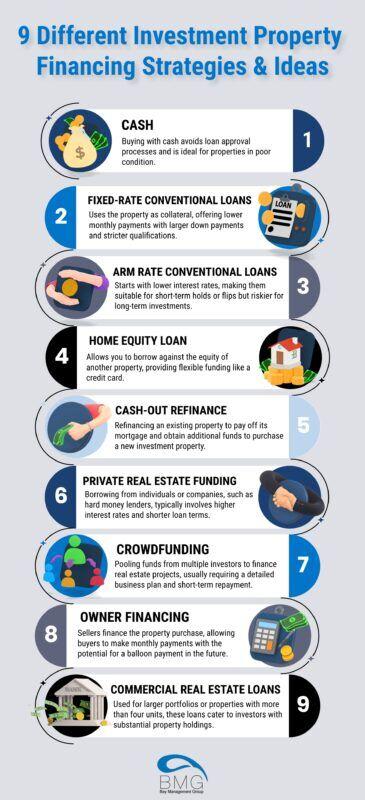
Securing financing for your first property is a critical step in the journey towards homeownership adn investment in real estate. As prospective buyers navigate a complex financial landscape, understanding the essential strategies for obtaining favorable loan terms is imperative. This article delves into the foundational elements of property financing, emphasizing the importance of financial readiness, creditworthiness, and the selection of appropriate lending options. By leveraging these strategies, first-time buyers can enhance thier prospects for securing financing, ultimately positioning themselves for prosperous property acquisition. Whether seeking residential or investment properties, a thorough grasp of the financing process is vital for making informed decisions and achieving long-term financial stability.
table of Contents
- Understanding Your Financial profile and Creditworthiness
- Exploring Diverse Financing Options for First-Time Buyers
- Effective Preparation of Documentation and Financial statements
- Leveraging Government Programs and Grants for Property Acquisition
- to Conclude
Understanding Your Financial Profile and Creditworthiness
To effectively navigate the process of securing financing for your first property, it is crucial to have a clear understanding of your financial profile. this profile includes essential elements such as your income, savings, existing debts, and monthly expenses. By evaluating these factors,you can ascertain your ability to take on additional financial obligation. Consider compiling the following data to paint a comprehensive picture of your finances:
- Income Sources: Regular salary, freelance work, investment income.
- Debt Obligations: Credit card debts, student loans, personal loans.
- Savings: Emergency fund, retirement accounts, down payment savings.
- Monthly Expenses: Rent, utilities, groceries, and discretionary spending.
Your creditworthiness considerably influences your financing options, as lenders rely heavily on your credit score to evaluate risk. A robust credit score not only increases your chances of approval but can also lead to better interest rates,reducing your overall loan cost. To boost your credit score, focus on :
- Timely Payments: Ensure all bills and loan payments are paid on time.
- Debt Utilization: Keep credit card balances low relative to your credit limits.
- Credit Mix: Maintain a healthy combination of different types of credit.
Here is a simple comparison of credit score ranges that can help you understand your standing:
| Credit Score Range | Creditworthiness Level | Financing Outcome |
|---|---|---|
| 300 – 579 | Poor | Limited financing options,higher interest rates |
| 580 – 669 | Fair | Some financing options,moderate interest rates |
| 670 – 739 | Good | Favorable financing options,competitive interest rates |
| 740 – 799 | Very Good | Excellent financing options,low interest rates |
| 800 – 850 | Exceptional | Best financing options,lowest interest rates |
Exploring Diverse Financing Options for First-Time Buyers
As a first-time homebuyer,navigating the complex landscape of financing options can feel overwhelming. However, understanding the diverse avenues available will empower you to make informed decisions. Customary mortgages remain a popular choice, offering predictable monthly payments and a wide array of terms.Beyond conventional loans, consider FHA loans, which are designed for low-to-moderate-income borrowers and require a lower down payment, making homeownership more accessible. Don’t overlook VA loans for veterans, which provide options with zero down payment and favorable loan terms.
Aside from government-backed loans, choice financing routes can be invaluable when charting your path to homeownership. Private lenders can offer quicker decisions and possibly even more flexible terms, although often at higher interest rates. Crowdfunding platforms are also emerging, allowing buyers to gather funds from multiple small investors. Additionally, community growth programs are frequently enough available; these can provide grants or low-interest loans to eligible buyers. To help visualize the differences, consider the following table:
| Financing Option | Key Features | best for |
|---|---|---|
| Traditional Mortgage | Fixed/Variable rates, long terms | Steady income earners with good credit |
| FHA Loan | Lower down payment, flexible credit | Low-to-moderate income buyers |
| VA Loan | No down payment, competitive rates | Veterans and active-duty military |
| Private Lender | Quick approvals, flexible terms | Those needing fast access to funds |
| Crowdfunding | Multiple small investors | Buyers with limited traditional financing options |
Effective Preparation of Documentation and Financial Statements
When embarking on your journey to secure financing for your first property, the meticulous preparation of documentation and financial statements is crucial. A well-organized financial portfolio can significantly enhance your credibility in the eyes of lenders. Start by assembling all necessary financial documents, which typically include:
- Tax returns: provide at least the last two years of personal and business tax returns to showcase your income stability.
- Bank statements: Ensure you have recent bank statements (at least three months) that reflect your available savings and expenditure.
- Credit report: Obtain and review your credit report well in advance to correct any discrepancies that may affect your credit score.
- Income documentation: Gather pay stubs, profit and loss statements (for self-employed individuals), and other relevant income documentation.
In addition to collecting these documents, it’s equally crucial to present your financial statements clearly and professionally. Utilizing a structured format can significantly influence a lender’s perception. A simple table can succinctly display your income, debts, and net worth:
| Category | Amount |
|---|---|
| Monthly Income | $5,000 |
| Monthly Expenses | $3,000 |
| Current Debts | $10,000 |
| Net Worth | $50,000 |
By providing this information in a concise and visually appealing manner, you can effectively communicate your financial fitness to potential lenders, increasing your chances of securing the financing needed for your property investment.
Leveraging Government Programs and Grants for Property Acquisition
One of the most effective strategies for first-time property buyers is to take advantage of various government programs and grants designed to facilitate property acquisition. These initiatives can significantly reduce the financial burden, making homeownership more accessible. Benefits of leveraging government support include:
- Down Payment Assistance: Many programs provide funds to cover part of or the entire down payment.
- Reduced Interest Rates: Some government loans offer lower interest rates than conventional mortgages.
- tax Incentives: Homebuyers may be eligible for tax credits or deductions, lowering overall tax liability.
Specific programs vary by region and eligibility criteria,so it’s crucial to conduct thorough research. Consider exploring options like the Federal Housing Administration (FHA) loans, USDA Rural Development loans, and state-specific first-time homebuyer programs. The following table summarizes key Government Programs:
| program | Target Audience | Key Benefits |
|---|---|---|
| FHA Loans | First-time Homebuyers | Low down payment options |
| USDA Loans | Rural Buyers | No down payment required |
| State Programs | Varies by State | Grants & Tax credits |
To Conclude
navigating the landscape of financing for your first property requires a strategic approach that combines thorough preparation, diligent research, and an understanding of the various financing options available. By establishing a robust credit profile, engaging in comprehensive financial planning, and leveraging professional networks, potential property buyers can significantly enhance their ability to secure favorable financing terms. furthermore,staying informed about current market trends and government assistance programs can provide additional advantages in this competitive arena.
As you embark on this financial journey, consider each step carefully and be proactive in seeking advice from industry professionals.The combination of informed decision-making and strategic execution will be pivotal in not only securing financing but also establishing a solid foundation for future investments. remember, the journey to property ownership is not merely a transaction; it is a strategic investment in your financial future.