

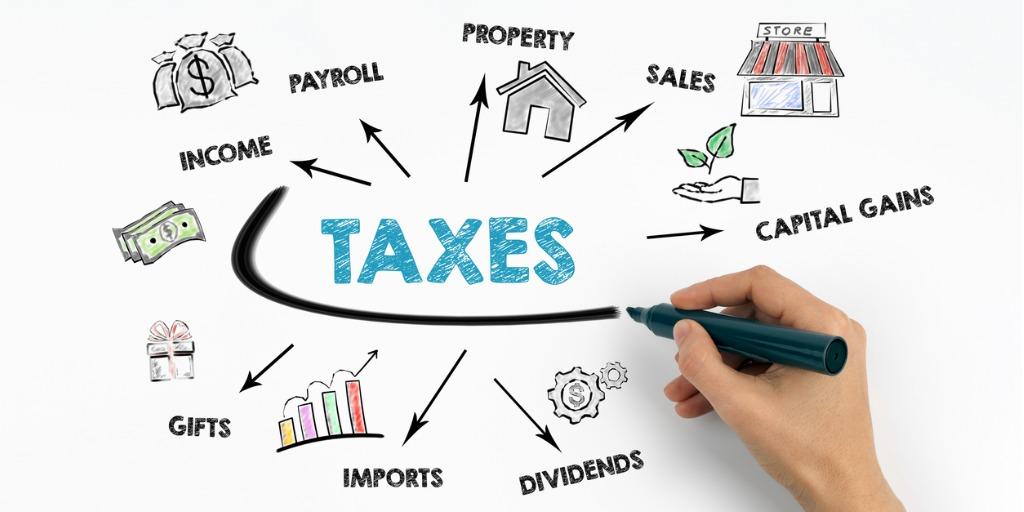
In the dynamic landscape of real estate, property owners often find themselves at a pivotal crossroads when considering the future of their investments. The decision to rent or sell property is multifaceted, encompassing various financial, personal, and market-related factors. One of the most critical aspects that deserves thorough examination is the tax implications associated wiht each option. Understanding these implications can empower property owners to make informed decisions that align with their broader financial goals. This article aims to provide a comprehensive analysis of the tax considerations involved in renting versus selling real estate, offering insights that can definitely help property owners navigate this complex terrain with confidence and clarity. By exploring the benefits and drawbacks of each route, we hope to equip readers with the knowledge necessary to optimize their real estate investments in accordance with prevailing tax laws.
Table of Contents
- Evaluating Tax Obligations for Rental Income
- Understanding Capital Gains Tax in real Estate Transactions
- Comparative Analysis of Long-Term Financial Outcomes
- Strategic recommendations for Property Owners: Renting Versus Selling
- Insights and Conclusions
Evaluating Tax Obligations for Rental Income
When assessing the tax implications associated with rental income,itS crucial to understand how various factors can influence your overall tax liability. Rental income is generally classified as ordinary income, meaning it will be taxed at your regular income tax rate. Additionally, landlords can benefit from several deductible expenses that may reduce the taxable portion of their rental income. These can include:
- Mortgage interest, allowing you to deduct the interest paid on loans used to purchase the rental property.
- Property taxes, which can also be deducted, decreasing taxable income.
- Depreciation, offering a meaningful tax shield over multiple years, reflecting the wear and tear on the property.
- Repairs and maintenance, which keep the property in good condition and can be deducted in the year they are incurred.
It is also essential to consider the impact of local and state tax regulations, as they can vary substantially and affect your net rental income after taxes. Certain areas may offer breaks or credits that can further reduce your tax burden.To better illustrate the potential tax impact of rental income versus property sales, the following table summarizes some key considerations:
| Factor | Rental Income | Property Sale |
|---|---|---|
| Tax Rate | Ordinary income tax rate | Capital gains tax on profit |
| Deductible Expenses | Yes, many options available | Limited to selling costs |
| Depreciation | Applicable | Not applicable |
| Tax Deferral Options | 1031 exchange possible | 1031 exchange applicable |
Understanding capital Gains Tax in Real Estate Transactions
When selling real estate, it is crucial to understand how capital gains tax can impact your profits. Capital gains tax is imposed on the difference between the selling price and the original purchase price of the property. If the property has appreciated in value, this can result in a significant tax liability. There are two types of capital gains: short-term,which applies to properties held for less than a year,and long-term,which is for properties held longer than a year. The tax rate is generally lower for long-term capital gains, incentivizing property owners to hold their investments for a longer duration. Additionally, primary residences may qualify for an exclusion of up to $250,000 for individuals and $500,000 for married couples, provided certain conditions are met.
For investors considering whether to rent or sell, it’s important to take into account the potential rental income against the long-term benefits of property gratitude. Rental income is typically subject to income tax, but expenses related to the property can often be deducted, offsetting that tax burden. Conversely, selling the property may yield a one-time capital gain, but also involves careful planning regarding the tax implications. Here’s a side-by-side comparison to illustrate key points:
| Aspect | Selling | Renting |
|---|---|---|
| Tax Type | Capital Gains Tax | Income Tax |
| Tax Rate | Varies by holding period | Standard income tax rate |
| Potential deductions | Limited | Various expenses |
| Long-Term Benefits | One-time profit | Ongoing cash flow |
Comparative Analysis of Long-Term financial Outcomes
When analyzing the financial implications of choosing between renting and selling real estate, long-term outcomes can significantly differ based on multiple factors such as market trends, rental income stability, and associated costs. Renting a property may provide a consistent source of cash flow, which can be advantageous for ongoing income generation. Additionally,it allows property owners to benefit from potential property appreciation over time,which might lead to substantial equity gains. Though, management costs, maintenance expenses, and market volatility can impact profitability. Furthermore,renting keeps the property within the owner’s portfolio,which could be beneficial in terms of tax considerations and the ability to leverage equity in future investments.
In contrast, the decision to sell a property may yield immediate returns and eliminate the hassle of managing tenants. Upon selling, owners can realize a lump sum from the sale, which can be reinvested into other lucrative opportunities. Nevertheless, capital gains taxes may pose a significant disadvantage in this scenario, especially if the appreciation is substantial. In this regard, it’s crucial to consider the following financial outcomes when making this decision:
- Cash flow Stability: Monthly rental income vs. one-time lump sum from sale.
- Tax Implications: Ongoing tax benefits from rental properties vs. potential capital gains tax upon selling.
- Value Appreciation: Long-term potential for property appreciation vs. immediate liquidity.
| Factor | Renting | selling |
|---|---|---|
| Cash Flow | Consistent monthly income | Lump sum payment |
| Tax Benefits | Deductible expenses | Capital gains tax |
| Market Risk | Dependent on rental market | Fixed price at sale |
Strategic Recommendations for Property Owners: Renting Versus Selling
When property owners face the decision of whether to rent or sell their real estate, it is imperative to consider various strategic factors, notably tax implications. Renting can provide a steady cash flow and potential long-term appreciation, allowing owners to capitalize on their investment over time. It’s essential to recognize the tax benefits associated with rental income, such as deductibility of mortgage interest, property taxes, and depreciation. These deductions can significantly offset taxable income,making renting an attractive option for those willing to manage a rental property.
On the other hand, selling a property may generate a substantial one-time capital gain. If the property has appreciated significantly, owners could leverage the proceeds for other investments or personal expenditures. However, it is crucial to factor in potential capital gains taxes and the exemptions available for primary residences. Owners should also consider the current real estate market conditions and how they may affect their decision. Below is a simplified table comparing key considerations for both options:
| aspect | Renting | Selling |
|---|---|---|
| Cash Flow | Consistent income stream | One-time cash inflow |
| Tax Benefits | Variety of deductions | Possible capital gains tax |
| Market risk | Long-term stability | Market fluctuations |
| management Effort | Active management required | No management necessary |
Insights and Conclusions
navigating the tax implications of renting versus selling real estate necessitates careful consideration and informed decision-making.As we’ve explored, each option presents distinct financial consequences that can significantly impact your overall investment strategy. Renting may provide a steady income stream while allowing you to retain ownership of the property, but it also comes with ongoing responsibilities and potential tax liabilities. Conversely, selling your property can yield immediate capital gains, yet it may trigger considerable tax obligations that require prudent planning.
Ultimately, the choice between renting and selling hinges on individual financial goals, market conditions, and long-term strategies. We encourage property owners to consult with a tax professional or financial advisor to tailor a plan that aligns with their unique circumstances and to ensure compliance with current regulations.By fully understanding the tax implications inherent in each option, you can make a more informed decision that supports your financial well-being and investment objectives. Thank you for engaging with us on this vital topic, and we wish you success in your real estate endeavors.