

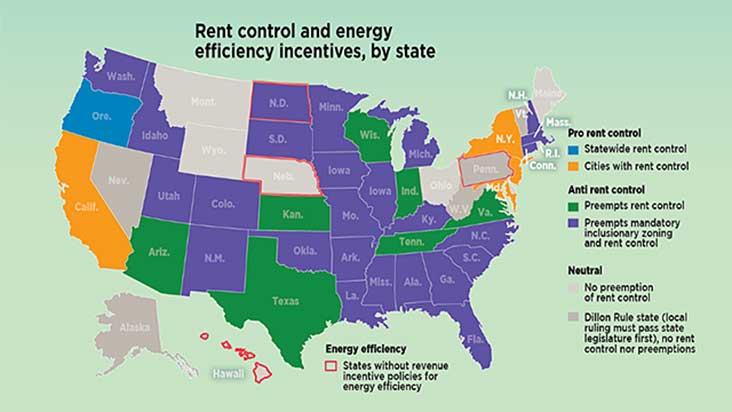
In today’s housing market, few topics ignite debate as fiercely as rent control policies. Advocates argue that these regulations are essential for protecting tenants from skyrocketing rents and ensuring affordable housing in increasingly urbanized areas. Conversely, opponents assert that rent control distorts market dynamics, discourages investment in rental properties, and ultimately leads to a decrease in the overall housing supply. As cities across the globe grapple with housing shortages and rising living costs, the complexities surrounding rent control have come to the forefront of public discourse. In this article, we will delve into the various arguments for and against rent control, explore real-world examples, and examine the potential implications of these policies on both tenants and landlords. By understanding the intricacies of this contentious issue, we can better navigate the landscape of housing policy and its impact on our communities.
Table of Contents
- Exploring the Economic Impacts of Rent Control on Housing Markets
- Analyzing Tenant Protection Versus Landlord Rights in Rent Control Debates
- Evaluating the Effectiveness of Rent Control in Mitigating Housing Affordability Crisis
- Recommendations for Balanced Rent Control policies That Benefit All stakeholders
- The conclusion
Exploring the Economic Impacts of Rent Control on Housing Markets
The implementation of rent control policies is frequently enough justified by the need to protect low-income tenants from rising housing costs. However, the long-term economic effects of such regulations can be complex and multifaceted. Rent control typically leads to a reduction in the supply of rental housing as developers are less incentivized to build new units or invest in existing properties due to capped rental income. This can inadvertently exacerbate housing shortages, causing potential tenants to face increased competition for the limited available units, ultimately driving rent prices up in the unregulated market. Additionally, landlords may resort to neglecting maintenance and overcharging for non-essential services to recoup losses from controlled rents, which can deteriorate the overall housing quality in affected areas.
Moreover, the economic implications extend beyond the immediate housing market; they ripple through the broader economy as well. With less available quality housing, workers may find it challenging to locate affordable accommodations near their jobs, perhaps affecting productivity and economic output. The following table outlines key economic impacts associated with rent control policies:
| Impact | Description |
|---|---|
| Reduced Housing Supply | Developers and landlords are disincentivized to build new rental properties. |
| Decline in Housing Quality | Landlords may cut costs on maintenance and improvements. |
| Occupancy Inefficiency | tenants may remain in units larger than their needs, limiting availability for others. |
| Market disruption | Increased competition for unregulated units drives prices up. |
Analyzing Tenant Protection Versus Landlord Rights in rent Control Debates
The debate surrounding rent control often hinges on the balance between tenant protection and landlord rights. Advocates for tenant protection argue that rent control is essential to prevent displacement and maintain housing affordability in cities grappling with rising living costs. They emphasize that stable housing contributes not only to individual well-being but also to community cohesion.The key points of their argument include:
- Prevention of Displacement: Rent control helps low- and moderate-income families stay in their neighborhoods.
- Affordability: It enables renters to budget for living expenses without fear of sudden rent hikes.
- Community Stability: Long-term tenants foster social ties and contribute to local economies.
conversely, opponents of rent control, frequently enough representing landlord interests, argue that such policies infringe on property rights and discourage investment in real estate. They claim that restricting rent prices can lead to a deterioration of housing quality and a decreased supply of rental units. Their main concerns include:
- Decreased Investment: Property owners might potentially be less inclined to maintain or improve their properties.
- Market Imbalance: Rent control can lead to shortages, as developers avoid building new rental units.
- Reduced Housing Quality: Landlords may cut back on necessary repairs and services due to capped rental income.
To illustrate, consider the following table that highlights regions with varying approaches to rent control and their subsequent housing outcomes:
| Region | Rent Control Status | Average Rent Increase (Last 5 Years) | Housing Supply change |
|---|---|---|---|
| city A | Strict Rent Control | 2% | -10% |
| City B | Moderate Rent Control | 10% | 0% |
| City C | No Rent Control | 15% | +5% |
Evaluating the effectiveness of Rent Control in Mitigating Housing Affordability Crisis
As cities continue to grapple with affordable housing issues, evaluating rent control’s effectiveness fosters necessary discourse. Advocates argue that these policies can stabilize housing costs and protect low-income tenants from displacement. They highlight several benefits, including:
- Increased Stability: Rent control helps ensure that tenants can remain in their homes without facing sudden rent spikes.
- Reduced Displacement: By capping rental prices, these laws can lower the risk of gentrification-driven evictions.
- Poverty Alleviation: Rent control can keep housing costs manageable for vulnerable populations, reducing their reliance on government assistance.
Conversely, critics contend that rent control can ironically exacerbate the housing crisis. They argue that these policies often lead to:
- Supply Constraints: Landlords might withdraw properties from the market, reducing overall availability.
- Lower Quality Housing: With limited rental income, property maintenance may suffer, impacting living conditions.
- Market Distortions: Rent control can create a disparity between market rates and controlled rents, distorting the housing market dynamics.
Recommendations for Balanced Rent Control Policies That Benefit All Stakeholders
To create effective rent control policies that consider the needs of tenants, landlords, and the broader community, a balanced approach is necessary. First, policies shoudl aim to limit rent increases to a manageable percentage that reflects inflation and local economic conditions. This would help ensure that housing remains affordable for low- and middle-income families without discouraging landlords from maintaining their properties. Additionally, providing incentives for landlords can encourage them to invest in property improvements, which enhances living conditions for tenants while ensuring a sustainable income stream for the property owners. Such initiatives might include tax deductions or grants for renovation projects.
Equally meaningful is implementing provisions for tenant protections. These might include measures like the right to a fair lease agreement, protections against unjust eviction, and a clear process for resolving disputes.By establishing a obvious framework,both tenants and landlords can navigate their relationships with clearer expectations,reducing the potential for conflicts. Furthermore, local governments should consider setting up a housing advisory board that includes representatives from both tenants and landlords, ensuring that policies are continuously evaluated and adjusted based on real-world outcomes. This collaborative effort can lead to innovative solutions that reflect the diverse needs of the community.
The Conclusion
the debate surrounding rent control policies is as nuanced as the housing markets they aim to regulate. While these policies can provide critical support to low- and middle-income renters, they also raise valid concerns about market distortions and long-term housing availability. As cities across the globe grapple with rising rents and affordability crises, it is essential for policymakers, stakeholders, and the community at large to engage in informed discussions about the impact and effectiveness of these measures. Moving forward, a balanced approach that considers both the needs of tenants and the health of the housing market is crucial.By fostering dialog and sharing insights, we can work towards solutions that genuinely address the challenges of housing affordability without undermining the very fabric of our communities. thank you for joining us in unraveling this complex issue, and we encourage you to share your thoughts and experiences as we continue this essential conversation.