

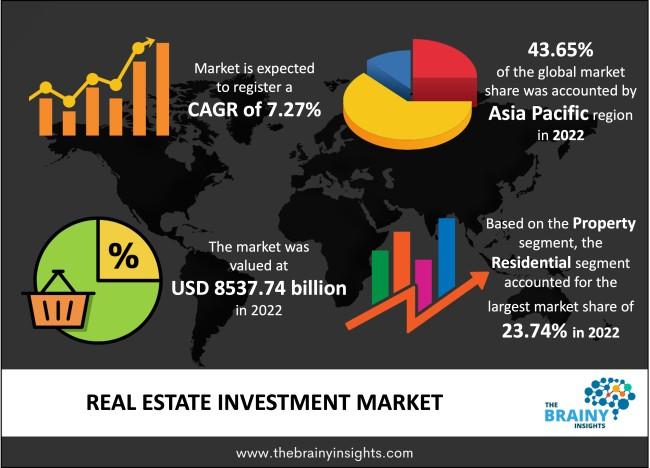
As the world continues to navigate the complexities of post-pandemic recovery, the global real estate market is experiencing a transformative phase marked by shifting demand dynamics, evolving buyer preferences, and the integration of technology in property transactions. From urban centers adapting to hybrid work arrangements to the burgeoning demand for sustainable living spaces, real estate professionals are re-evaluating their strategies to stay competitive. In this article, we will explore the latest trends shaping international real estate markets, analyze key insights from industry experts, and highlight how geopolitical factors, economic shifts, and environmental considerations are influencing investment decisions and property valuations worldwide.Join us as we delve into this critical sector poised for innovation and growth in an ever-changing landscape.
Table of Contents
- Emerging Markets: Identifying Opportunities in Developing Regions
- Sustainability and Innovation: The Rising Importance of Green Real Estate
- Technology Disruption: How Proptech is transforming Investment Strategies
- Consumer Preferences: Adapting to Changing Demands in urban Housing Markets
- The Way Forward
Emerging Markets: Identifying Opportunities in Developing Regions
The current landscape of emerging markets presents a wealth of opportunities for astute investors looking to tap into growing economies. In recent years, many developing regions have witnessed significant improvements in infrastructure, governance, and investment climates, making them attractive destinations for real estate ventures. As urbanization accelerates and populations swell in these regions, demand for residential and commercial properties is on the rise.Notably, countries in Southeast Asia, Africa, and Latin America are leading this charge, supported by burgeoning middle classes eager for quality housing and services.
To effectively navigate these markets, investors must focus on key sectors and regional dynamics that exhibit potential for growth.Understanding local trends and consumer behaviors is crucial, as well as assessing the impact of technology and sustainability on real estate progress. Hear are some pivotal factors to consider:
- Urbanization Rates: Rapid urban migration is driving demand in cities.
- Investment Incentives: Look for regions with goverment-backed incentives.
- Infrastructure Upgrades: Improved transport and utilities enhance property value.
- Demographic Shifts: A younger population can lead to a surge in housing needs.
Moreover, real estate investment trusts (REITs) are increasingly expanding their portfolios to include assets in these emerging markets, allowing for diversified exposure with lower risk. Below is a summary table showcasing some of the top emerging markets currently drawing attention from global investors:
| Country | Key Sector | Growth Rate (projected) |
|---|---|---|
| Vietnam | Residential | 7.5% |
| Nigeria | commercial | 6.2% |
| Brazil | Industrial | 5.0% |
| India | Mixed-Use | 8.0% |
Sustainability and Innovation: The Rising Importance of Green Real Estate
The intersection of sustainability and innovation is increasingly driving the global real estate market, as stakeholders recognize the need for environmentally responsible practices. This trend is reshaping not just how properties are developed but also how they are valued and marketed. Key players in the industry are adopting a triple bottom line approach that emphasizes social, environmental, and economic impacts. as consumers become more eco-conscious, the demand for green buildings is rising, compelling developers to invest in energy efficiency and sustainable materials. This commitment not only helps reduce the carbon footprint but also boosts property value and attracts environmentally aware tenants.
Emerging technologies are playing a pivotal role in this change, offering innovative solutions to meet sustainability goals. Smart building technologies, such as energy management systems and IoT sensors, are optimizing resource use and reducing waste. Moreover, many real estate companies are implementing green building certifications like LEED and BREEAM to gain competitive advantages and attract investment. Consequently, investors are increasingly screening opportunities based on sustainability metrics, with many prioritizing properties that showcase renewable energy systems, water conservation measures, and sustainable landscaping. This shift signals a growing recognition that long-term profitability is intrinsically linked to sustainable practices in the real estate sector.
Technology Disruption: How Proptech is Transforming Investment Strategies
In recent years, the real estate industry has been undergoing a seismic shift thanks to the advent of property technology (proptech). this disruption is reshaping traditional investment strategies, prompting investors to adapt to a landscape characterized by enhanced data analytics, automation, and innovative financing models.As the demand for smarter,more efficient ways to manage real estate assets grows,investors are increasingly leveraging technologies such as artificial intelligence,machine learning,and blockchain to make informed decisions,reduce risks,and enhance portfolio performance. Key elements of this transformation include:
- Data-Driven Insights: Advanced analytics tools aggregate and interpret vast amounts of data, enabling investors to discern market trends and forecast property values with greater accuracy.
- Streamlined Processes: Automation of administrative tasks and transaction processes reduces costs and transaction times, empowering investors to focus on strategy rather then logistics.
- Access to Crowdfunding: Platforms that facilitate real estate crowdfunding open up opportunities for smaller investors to participate in larger deals, broadening the investment base.
the rise of proptech is also fostering openness and efficiency within the industry. With blockchain, property records, and transactions can be securely recorded and accessed without the need for intermediaries, drastically reducing the potential for fraud and increasing trust among stakeholders. As institutional investors begin to embrace these innovations, they are recalibrating their approaches toward asset allocation and risk management. A simplified comparison showcasing the impact of proptech on traditional vs. modern investment strategies is illustrated below:
| Aspect | Traditional Investment Strategies | Modern Investment Strategies with Proptech |
|---|---|---|
| Data Utilization | Ancient data,anecdotal analysis | Real-time data,predictive analytics |
| Transaction speed | Lengthy due diligence and contracting | Automated processes,swift transactions |
| Investment Entry | High capital requirements | Low barrier to entry through crowdfunding |
Consumer Preferences: Adapting to Changing demands in Urban housing Markets
Recent analysis reveals that consumer preferences in urban housing markets are rapidly evolving,driven by a combination of economic shifts,lifestyle changes,and growing environmental awareness. Today’s buyers prioritize sustainability, accessibility, and community integration over traditional notions of size and luxury. As remote work becomes a permanent feature of many professions, prospective homeowners increasingly seek properties that offer flexible living spaces and easy access to amenities that cater to a balanced lifestyle. Urban dwellers are showing a marked preference for designs that incorporate green spaces and energy-efficient technologies,which not only enhance comfort but also contribute to a smaller carbon footprint.
real estate developers and marketers are adapting their offerings to align with these shifting consumer demands. Notably, multi-family units and mixed-use developments that encourage community engagement and provide easy access to public transportation are gaining traction. Developers are focusing on creating environments where residents can live, work, and socialize without needing to travel far. The following are key features that resonate with modern urban homebuyers:
- Proximity to Public Transit: Minimizing commute time and promoting sustainable transportation options
- Smart Home Technology: Integration of IoT devices for enhanced security and convenience
- Outdoor Living Spaces: Balconies,terraces,and communal gardens that celebrate nature
- Community Amenities: Co-working spaces,fitness centers,and shared lounges
| Consumer Preference | Impact on Housing Design |
|---|---|
| Sustainability | Increased demand for eco-pleasant materials |
| Community Focus | Incorporation of co-working and recreational spaces |
| Flexibility | Open floor plans and multifunctional spaces |
| Technology Integration | Smart home features for convenience and security |
The Way Forward
As we conclude our exploration of current trends and insights in global real estate markets,it is evident that this dynamic sector continues to evolve under the influence of economic shifts,technological advancements,and changing consumer preferences. From the rise of sustainable building practices to the increasing impact of remote work on urban landscapes, stakeholders must remain vigilant and adaptable in navigating these complexities.
Emerging markets are presenting new opportunities, while established ones are undergoing significant transformations, underscoring the need for complete strategies that leverage both local knowledge and global perspective. Investors, developers, and policymakers must collaborate to harness these trends for sustainable growth, ensuring that the real estate landscape is not only profitable but also resilient in the face of ongoing challenges.As we move forward, staying informed about the intricacies of the global real estate market will be crucial in making well-rounded decisions that can withstand market fluctuations and socio-economic changes. The insights outlined in this article serve as a foundational overview,enabling professionals and investors alike to navigate the shifting terrain with clarity and confidence.In this ever-changing surroundings, continuous education and proactive engagement will remain key to successfully seizing the opportunities that lie ahead.