

In an age where investment opportunities abound—from cryptocurrency to volatile stock markets—ther remains one steadfast avenue that has consistently demonstrated its resilience and potential for wealth creation: real estate. Whether you’re a seasoned investor or a novice looking to build your financial future, understanding the timeless appeal of real estate is crucial. This article delves into why real estate continues to be a pillar for long-term investment success, exploring its inherent benefits, historical stability, and strategic advantages. Join us as we uncover how this tangible asset can serve not just as a roof over your head,but as a robust foundation for your financial portfolio.
Table of Contents
- The Enduring Appeal of Real Estate in Investment Portfolios
- Understanding Market Trends for Informed real Estate Decisions
- Strategies for Maximizing Property Value and Returns
- navigating Risks in Real Estate Investment for Long-Term Success
- Key Takeaways
The Enduring Appeal of Real Estate in investment Portfolios
The charm of incorporating real estate into investment portfolios is rooted in its dual role as both a physical asset and a resilient hedge against inflation. Unlike other assets, real estate offers tangible value, providing a stable base. The predictable cash flow generated from rental properties can be a consistent income stream, allowing investors to benefit from both monthly returns and long-term recognition. Additionally, the diversification that real estate provides enhances the overall robustness of an investment portfolio, reducing exposure to market volatility compared to stocks and bonds. Over time, properties have historically demonstrated an upward trajectory in value, making them a compelling choice for wealth accumulation.
Moreover, the tax advantages associated with real estate investments present an enticing prospect for savvy investors.Notably, property owners can take advantage of depreciation deductions, which can offset rental income and reduce overall tax liability. Additionally, the potential for 1031 exchanges allows investors to defer capital gains taxes when reinvesting profits into new properties. These fiscal benefits, combined with the emotional satisfaction that comes from owning physical property, contribute to the enduring allure of real estate. The appeal lies not only in passive income generation but also in the unique ability to build generational wealth—creating a lasting legacy for future descendants.
Understanding Market Trends for Informed Real Estate Decisions
In the dynamic realm of real estate, understanding market trends is essential for making informed investment decisions. As an investor,staying updated about fluctuations in property values,demand,and demographic shifts can guide your strategy and ensure that you’re capitalizing on the right opportunities. Key indicators to monitor include:
- Interest Rates: Affects mortgage affordability and buyer demand.
- Local economic Indicators: Employment rates and income levels influence the market.
- Consumer Confidence: Affects spending behavior and real estate investments.
- Housing Supply: Balanced supply and demand dictate property prices.
Moreover, leveraging data analytics tools can provide deeper insights into market trends. By analyzing historical data alongside current statistics, investors can identify patterns and anticipate future movements. Consider the following table that highlights meaningful trends across key metropolitan areas:
| City | Price Growth (Last year) | Average Days on Market | Interest Rate (%) |
|---|---|---|---|
| New York | 8% | 45 | 3.5 |
| Los Angeles | 5% | 30 | 3.7 |
| Chicago | 4% | 60 | 3.6 |
| Miami | 10% | 20 | 3.4 |
Strategies for Maximizing Property Value and Returns
To enhance property value and achieve optimal returns, investors should consider a variety of strategic approaches.First,regular property maintenance is essential; addressing issues quickly not only preserves aesthetic appeal but also protects against costly repairs down the line. Furthermore, investors should stay informed about local market trends to understand demand fluctuations, allowing for price adjustments that reflect the current market. Upgrading amenities can also significantly impact value.Consider implementing the following improvements:
- Energy-efficient appliances to attract eco-conscious buyers
- Smart home technology for enhanced living experiences
- Outdoor living spaces that expand usable areas
Additionally, conducting a thorough comparative market analysis (CMA) can definitely help property owners determine competitive pricing and identify undervalued properties for acquisition. creating strong relationships with local real estate agents ensures a reliable flow of updated information and potential leads for future investment opportunities. Below is a simple comparison table outlining investment strategies and their potential benefits:
| strategy | Benefits |
|---|---|
| Property Renovation | Increases market value and attracts higher-quality tenants. |
| Location Research | Identifies emerging neighborhoods for better investment returns. |
| Professional Management | Ensures higher occupancy rates and lower maintenance costs. |
Navigating Risks in Real Estate Investment for Long-Term Success
Investing in real estate, while frequently enough rewarding, comes with a unique set of challenges that can jeopardize long-term success. To effectively navigate these risks, it’s essential to approach your investments with a well-rounded strategy. start by understanding your investing goals and risk tolerance, allowing you to align your choices with your financial landscape. Conduct thorough due diligence on properties, focusing on factors such as location, market trends, and physical condition, which can greatly influence your return on investment. Develop a robust financial plan that includes provisions for unexpected expenses, ensuring that you maintain a safety net to buffer against market fluctuations.
Additionally, diversifying your portfolio can further mitigate risks associated with real estate investment. consider the following strategies to enhance stability and growth:
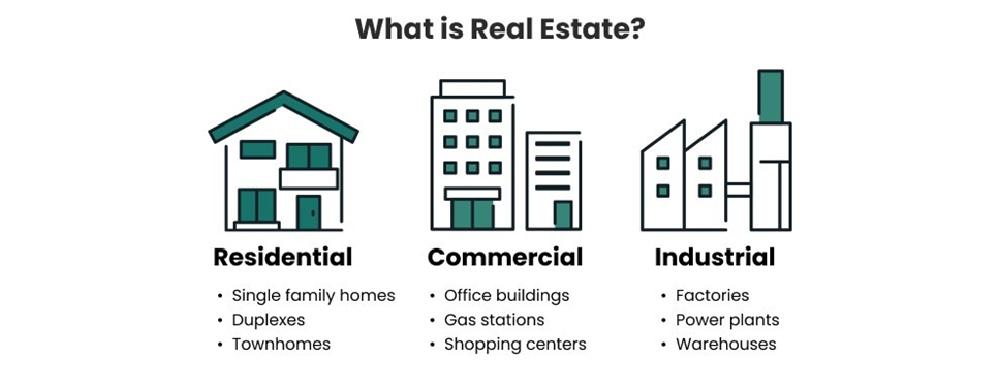
- Invest in Different Property Types: Balance your investments by exploring residential, commercial, and industrial properties.
- Geographic Diversification: Look for opportunities in various locations to reduce exposure to local market downturns.
- Leverage Mixed-Use Developments: Properties that combine residential and commercial aspects may offer additional cash flow streams.
To facilitate better decision-making, tracking performance across various assets is crucial. The table below provides a simple framework for evaluating potential investment properties:
| Property Type | Location | Potential ROI (%) | Market Trend |
|---|---|---|---|
| Residential | Downtown | 8 | Growing |
| Commercial | Suburbs | 6 | Stable |
| Mixed-Use | City Center | 10 | Expanding |
By applying these practices and maintaining a keen awareness of market dynamics, investors can position themselves for lasting growth and long-term profitability in the real estate sector.
Key Takeaways
real estate has consistently demonstrated its value as a robust long-term investment strategy, providing not only financial returns but also a sense of stability and security in an ever-changing economic landscape. By understanding market trends, leveraging location advantages, and making informed decisions, investors can navigate the complexities of the property market with confidence. As we look to the future, it’s clear that real estate will remain a timeless choice, offering the potential for wealth accumulation and generational prosperity. Whether you’re a seasoned investor or just starting your journey, now is the perfect time to explore the possibilities that real estate has to offer. Remember, every successful investment begins with informed choices, so equip yourself with knowledge, stay patient, and watch your investment flourish over time. Happy investing!