

In the realm of personal finance, credit scores serve as a critical indicator of an individual’s creditworthiness, playing a pivotal role in various lending decisions. Among the most critically important implications of credit scores is their influence on mortgage rates, which can considerably impact the affordability of homeownership. Understanding this relationship is essential for potential homebuyers and homeowners alike,as even minor fluctuations in mortgage rates can lead to substantial differences in long-term financial commitments. This article aims to dissect the mechanics of credit scoring, explore how lenders assess creditworthiness, and illustrate the ways in which credit scores directly affect mortgage rates. By providing a complete overview of these concepts, we hope to equip readers with the knowledge necessary to navigate the mortgage landscape more effectively and make informed decisions about their financial futures.
Table of Contents
- Understanding the Fundamentals of Credit Scores and Their Calculation
- The Relationship Between credit Scores and Mortgage Rate Offers
- Strategies for Improving Your Credit Score Before Applying for a Mortgage
- Navigating Mortgage options Based on Different Credit Score Ranges
- In Summary
Understanding the Fundamentals of Credit Scores and Their Calculation
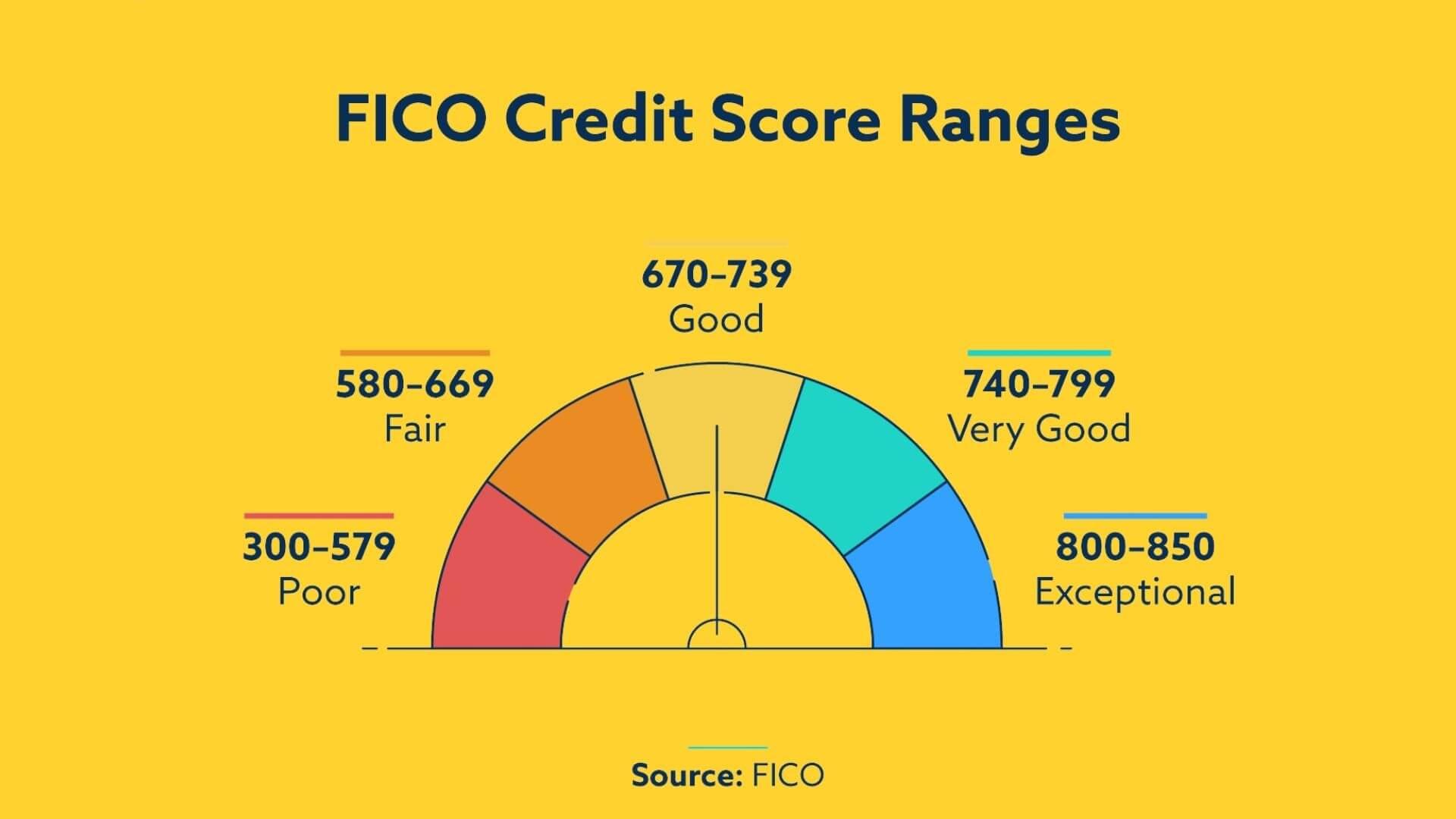
Credit scores play a pivotal role in determining not only the likelihood of loan approval but also the terms of loans offered, particularly mortgage rates. Generally ranging from 300 to 850, these scores are determined through various factors, each carrying its own weight. The key components include:
- Payment History: Reflects your timely payments and outstanding debts.
- Credit Utilization: Measures the ratio of your current credit card balances to your credit limits.
- Length of Credit History: considers how long your accounts have been active.
- Types of Credit: Evaluates your mix of credit accounts, including credit cards, mortgages, and installment loans.
- Recent Inquiries: Indicates how often you’re applying for new credit, which can temporarily lower your score.
Understanding these elements can empower borrowers to improve their credit standings before applying for a mortgage. Lenders assess credit scores to gauge risk, leading to differentiated interest rates based on a borrower’s perceived ability to repay. Such as, a borrower with a higher credit score can possibly secure a mortgage interest rate that is substantially lower than that offered to someone with a score in the ‘poor’ range. The following table illustrates sample credit score ranges and corresponding interest rate percentages:
| Credit Score Range | Average Interest rate (%) |
|---|---|
| 300 – 579 | 6.5 – 8.0% |
| 580 – 669 | 5.5 – 6.5% |
| 670 – 739 | 4.5 – 5.5% |
| 740 – 799 | 3.5 – 4.5% |
| 800 – 850 | 3.0 – 3.5% |
The Relationship between Credit Scores and Mortgage Rate Offers
Credit scores play a crucial role in determining the mortgage rates offered to potential borrowers. When applying for a mortgage, lenders assess the risk associated with lending money and one of the primary factors in this assessment is the applicant’s credit score.A higher credit score indicates to lenders that the borrower is responsible with credit management and more likely to repay the loan on time. Consequently, individuals with excellent credit can often secure lower interest rates, reducing the overall cost of borrowing. In contrast, those with lower credit scores face higher interest rates, reflecting the increased risk that lenders perceive.
Understanding the specific thresholds that delineate credit score categories can provide insight into potential interest rate variations. Below is a simplified table illustrating typical credit score ranges and the corresponding mortgage rate adjustment:
| Credit Score Range | Typical Interest Rate Adjustment |
|---|---|
| 760 – 850 | -0.5% (Lower rates) |
| 700 – 759 | 0% (Standard rates) |
| 650 – 699 | +0.5% (Higher rates) |
| 600 – 649 | +1.0% (Subprime rates) |
| Below 600 | +1.5% or more (Very high rates) |
This table emphasizes that the impact of a credit score on mortgage rates is significant.borrowers should actively work on maintaining or improving their credit scores, as even a modest increase can lead to substantial savings over the life of a mortgage loan. Regular monitoring of credit reports, timely bill payments, and reducing debt can all contribute positively to one’s credit standing, thus enhancing overall borrowing potential.
Strategies for Improving Your Credit Score Before Applying for a Mortgage
Improving your credit score before applying for a mortgage is essential to securing favorable terms and rates. Start by checking your credit report for any inaccuracies that may negatively affect your score. You can request a free report annually from the major credit bureaus. Ensure that all facts is correct, and dispute any errors you find. Additionally, focus on paying down outstanding debts, particularly any credit cards with high balances, as your credit utilization ratio plays a significant role in your overall score. Prioritize payments on accounts that are late or in collections; bringing these accounts current can significantly boost your creditworthiness.
Another effective strategy involves establishing a consistent payment history. Ensure that all recurring payments, such as utilities, phone bills, and other loans, are paid on time. Consider setting up automatic payments to help with this. Moreover, avoid opening new credit accounts in the months leading up to your mortgage application, as this can result in hard inquiries that temporarily decrease your score. Lastly,if you have the available credit,try to keep older credit accounts open. Credit history length is a factor in scoring models, and maintaining older accounts can positively influence your score.
Navigating Mortgage Options Based on Different Credit Score Ranges
Understanding the impact of credit scores on mortgage options is crucial for aspiring homeowners. Generally, credit scores range from 300 to 850, influencing not only the kind of mortgage products available but also the interest rates attached to them. Borrowers with scores in the 300-579 range may find that their options are severely limited,often facing high-interest rates and even denial from lenders. Those in the 580-669 range may qualify for loans but often require a larger down payment and may encounter higher fees. In contrast, individuals with scores between 670-739 typically have access to more competitive rates and better loan terms, making homeownership more financially feasible.
For borrowers with credit scores above 740, the mortgage landscape opens up significantly. Not only do thay secure the best interest rates, but they also enjoy favorable terms and conditions that can save them thousands over the life of the loan. Below is a simplified overview of how different score brackets correlate with mortgage options and potential interest rates:
| Credit Score Range | Mortgage Approval Odds | Typical Interest Rates |
|---|---|---|
| 300-579 | Low | 8% or higher |
| 580-669 | Moderate | 6-8% |
| 670-739 | Good | 5-6% |
| 740+ | Excellent | 3.5-5% |
Its essential for potential borrowers to not only understand their credit score but to take proactive steps to improve it if necessary. Regularly checking credit reports, disputing inaccuracies, paying bills on time, and reducing overall debt can make a significant difference. Adjusting financial behaviors can enhance credit scores, thereby opening doors to favorable mortgage options and ultimately helping individuals secure their dream homes.
In Summary
understanding the intricate relationship between credit scores and mortgage rates is essential for anyone looking to navigate the home-buying process effectively. A higher credit score can lead to significantly more favorable loan terms, ultimately saving borrowers thousands over the life of their mortgage.Conversely, a lower credit score can result in higher interest rates, making it imperative for prospective homeowners to prioritize credit health before applying for a mortgage. By staying informed and proactively managing credit profiles, consumers can enhance their financial readiness and improve their options in the competitive mortgage market.As always, consulting with financial professionals can provide tailored insights and strategies that align with individual financial circumstances, ensuring an informed approach to securing a mortgage.