

introduction
In the realm of real estate financing, various metrics serve as critical indicators of risk, investment potential, and market dynamics. Among these, the Loan-to-Value (LTV) ratio stands out as a essential financial measure that informs both lenders and borrowers. This ratio, calculated as the ratio of a loan amount to the appraised value of the property securing that loan, is pivotal in determining lending decisions and assessing borrowing capacity. Understanding the intricacies of the LTV ratio is not only essential for investors and financiers but also for homeowners navigating the complexities of mortgage options. By delving into the components, implications, and applications of the LTV ratio, this article aims to equip stakeholders in the real estate market with the knowledge required to make informed financial decisions, mitigate risks, and optimize investment strategies.
Table of contents
- Understanding the Loan-to-Value Ratio and Its Impact on Mortgage Approval Processes
- Analyzing the Relationship Between LTV and Interest Rates in Real Estate Financing
- Evaluating Risk: The Role of loan-to-Value Ratio in Investment property Decisions
- Strategies for Managing and Optimizing LTV for Improved Financial Outcomes
- Wrapping Up
Understanding the Loan-to-Value Ratio and Its Impact on Mortgage Approval Processes
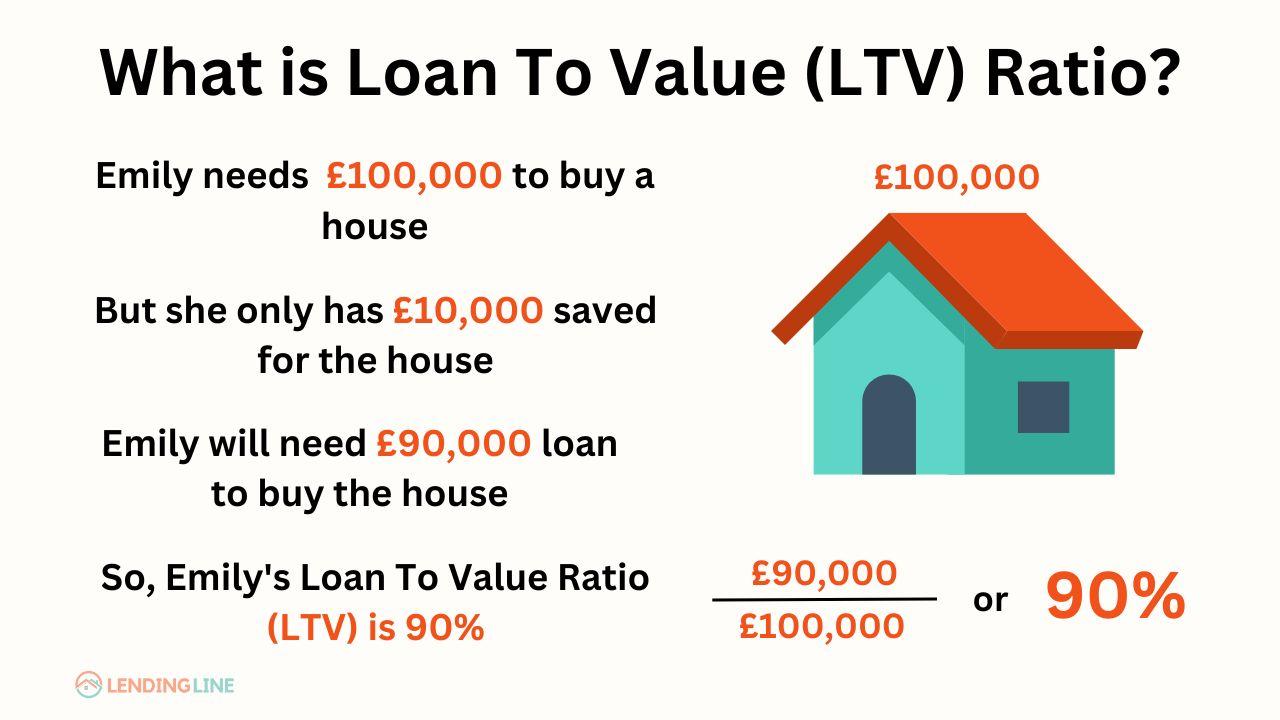
The loan-to-value (LTV) ratio serves as a critical benchmark in the mortgage approval process, quantifying the relationship between the amount of the loan and the appraised value of the property being financed. LTV is calculated by dividing the mortgage amount by the property’s appraised value or purchase price,whichever is lower. A higher LTV ratio typically indicates greater risk for lenders,as borrowers with less equity in their homes may have a higher likelihood of defaulting on their loans. Consequently, lenders often prefer lower LTV ratios, which can lead to more favorable interest rates and terms for borrowers. Factors influencing LTV can include market conditions, credit scores, and the type of property involved.
Understanding the implications of LTV is vital for potential homebuyers, as various thresholds can considerably impact their ability to secure a mortgage. For instance, many lenders consider an LTV above 80% as risky, prompting them to require private mortgage insurance (PMI) to mitigate potential losses. In contrast, LTVs of 80% or lower typically allow borrowers to bypass PMI, thus enhancing the affordability of monthly payments. Below is a simple table illustrating common LTV thresholds and their corresponding lender conditions:
| Loan-to-Value Ratio | Lender Conditions |
|---|---|
| Below 80% | No PMI required |
| 80% – 90% | PMI might potentially be required |
| Above 90% | Higher risk; stricter terms |
Analyzing the Relationship Between LTV and Interest Rates in Real Estate Financing
The relationship between Loan-to-Value (LTV) ratios and interest rates in real estate financing is a fundamental aspect of mortgage underwriting that significantly influences both lenders and borrowers. A higher LTV indicates a larger loan amount relative to the property’s value, which can present a higher risk for lenders. Consequently, this risk is often reflected in the interest rates offered. For instance, lenders may impose higher interest rates on loans with an LTV exceeding 80%, as they seek to mitigate potential losses in case of default. This dynamic means that borrowers aiming for a competitive interest rate should strive to maintain a lower LTV,ideally by making a larger down payment.
Conversely, when interest rates decrease, lenders might potentially be more willing to accept higher LTV ratios, as the cost of borrowing becomes less burdensome for the homeowner. This adjustment reflects the market’s broader economic conditions and encourages more buyers to enter the market, thereby stimulating real estate growth. Key factors influencing this relationship include:
- Market Trends: Changes in economic indicators can lead to fluctuations in interest rates.
- Borrower Profile: Lenders assess the creditworthiness of borrowers alongside LTV ratios.
- Property Type: Different property sectors may respond uniquely to changes in financing conditions.
| LTV Ratio | Typical Interest Rate | Risk level |
|---|---|---|
| Below 60% | 3.5% | Low |
| 60% – 79% | 4.0% | Moderate |
| 80% – 90% | 4.5% | High |
| Above 90% | 5.0% | Very High |
Evaluating Risk: The Role of Loan-to-Value Ratio in Investment Property Decisions
The loan-to-value (LTV) ratio is a critical metric when assessing the risk associated with investment properties.It quantifies the relationship between the loan amount and the property’s appraised value, providing insights into potential funding risks and investment viability. A higher LTV ratio often signals greater risk to lenders since it indicates a smaller equity cushion. This can lead to higher interest rates or loan denials, as lenders seek to mitigate their exposure to potential defaults. In real estate investment decisions, maintaining an optimal LTV ratio is essential to securing favorable financing and safeguarding against market fluctuations.
When evaluating the appropriate LTV for your investment portfolio, consider the following factors:
- Market Conditions: current economic trends can impact property values, influencing LTV assessments.
- Property type: Different property categories (residential, commercial, industrial) may have varying acceptable LTV thresholds.
- Borrower Profile: The financial health and creditworthiness of the borrower can affect the willingness of lenders to extend high-LTV loans.
- Investment strategy: Your specific goals (long-term hold, flipping, or rental) will dictate the most suitable LTV ratio.
| Factors | Impact on LTV |
|---|---|
| market Conditions | Higher volatility may necessitate lower LTVs to reduce risk. |
| property Type | Commercial properties often carry higher risk, leading to lower acceptable LTVs. |
| Borrower Profile | Stronger profiles may secure higher LTVs due to perceived reliability. |
| Investment Strategy | Long-term strategies may accommodate higher LTVs compared to speedy flips. |
Strategies for Managing and Optimizing LTV for Improved Financial Outcomes
Effectively managing and optimizing the Loan-to-Value (LTV) ratio is crucial for enhanced financial performance in real estate investments. One primary strategy is to maintain a balanced debt-to-equity ratio, which not only preserves cash flow but also mitigates risk exposure. Additionally, regular financial assessments can definitely help identify areas for improvement.Consider implementing the following methods:
- Regular Monitoring: Continuously track the LTV ratio and adjust the financing as necessary.
- Refinancing Opportunities: Look for lower interest rates or better loan terms to reduce the LTV ratio effectively.
- Increased Property Value: Invest in property enhancements that contribute to an appreciation in value,hence lowering LTV.
Utilizing a tiered financing approach can also optimize cash flow alongside the LTV ratio. This involves leveraging various sources of capital placement, from conventional lenders to private investors, ensuring flexibility in your financing. Furthermore, effective risk management practices should be integrated into the overall strategy:
- Diversification: Spread investments across multiple properties to minimize the risk associated with any single investment.
- Cash Reserves: Maintain adequate reserves to cover fluctuations in market value and unforeseen expenses.
| Strategy | Description |
|---|---|
| Monitoring | Regular checks on LTV to make informed financial decisions. |
| Refinancing | Adjust financing to reduce overall debt burden. |
| Property Improvements | Enhancements to increase property value. |
wrapping Up
the Loan-to-Value (LTV) ratio serves as a pivotal metric in the realm of real estate financing.By quantifying the relationship between the loan amount and the appraised value of a property,LTV provides invaluable insights for both lenders and borrowers. For financial institutions, it is an essential risk assessment tool, influencing lending decisions, interest rates, and mortgage terms. For prospective homeowners and real estate investors, understanding LTV is crucial for navigating financing options and ensuring optimal investment strategies.
A thorough comprehension of LTV not only aids in securing favorable loan conditions but also contributes to informed decision-making throughout the property acquisition process. As real estate remains a cornerstone of personal and collective wealth-building, mastering this key metric can significantly enhance stakeholders’ ability to make sound financial choices.
In an ever-evolving market landscape,vigilance regarding LTV,alongside other financial indicators,will empower individuals and institutions alike to adapt to changing conditions,thereby fostering sustainable growth and stability in their real estate endeavors.