

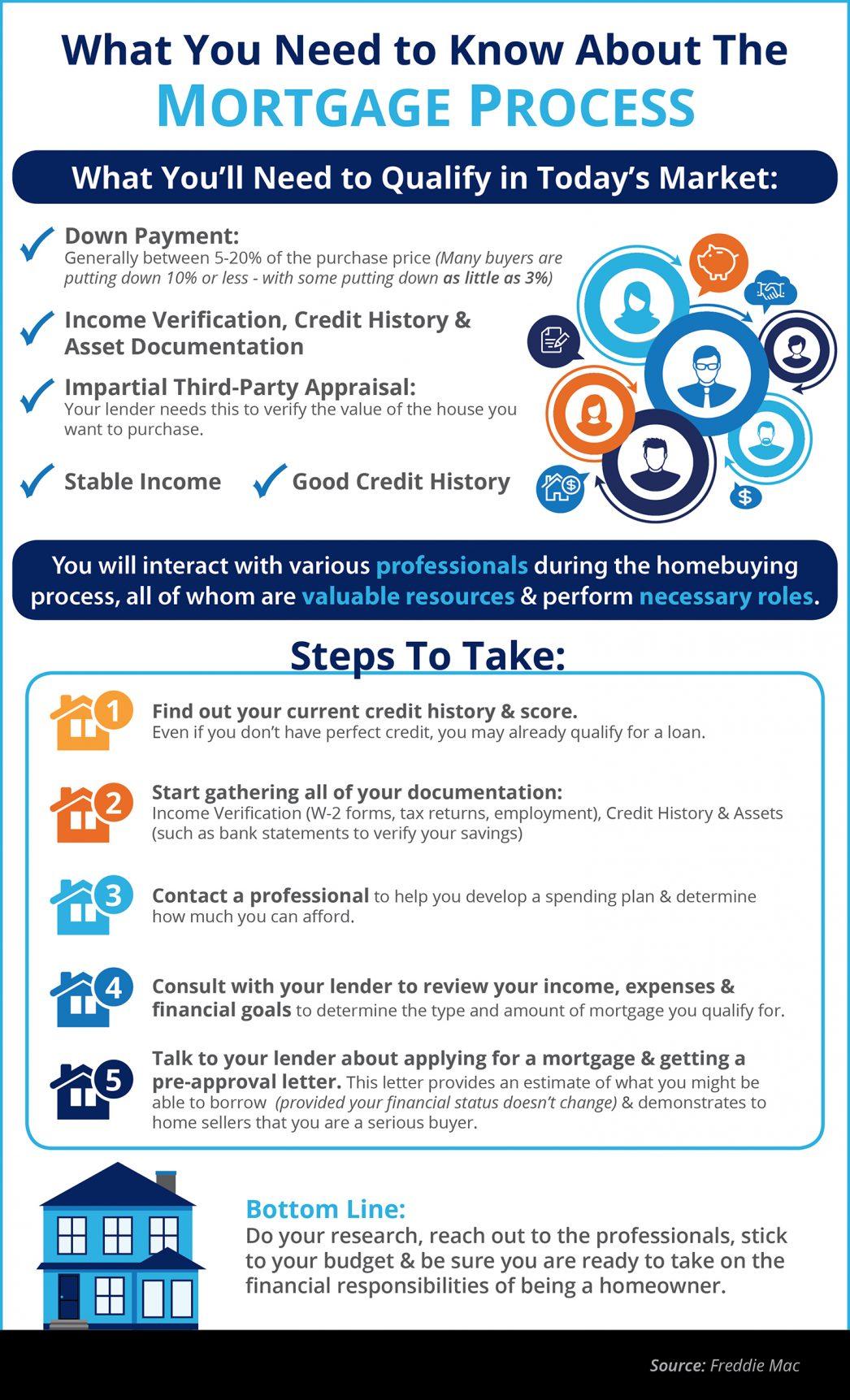
Navigating the path to homeownership can be notably challenging for individuals who have experienced bankruptcy. While bankruptcy may present meaningful hurdles, it is significant to recognize that it is not an insurmountable barrier to obtaining a mortgage. Understanding the steps required to qualify for a mortgage after bankruptcy is crucial for those looking to rebuild their financial standing and secure a home. This article will outline the key criteria and processes involved in qualifying for a mortgage post-bankruptcy, providing insights on strategies to enhance eligibility and improve financial stability. By following these steps, potential homeowners can take informed actions to re-enter the housing market and achieve their long-term goals.
Table of Contents
- Understanding the Impact of Bankruptcy on Mortgage Eligibility
- rebuilding Credit: Strategies for Financial Recovery
- Exploring Loan Options for Post-Bankruptcy Homebuyers
- Preparing Essential Documentation for Mortgage Applications
- In Summary
Understanding the Impact of Bankruptcy on mortgage Eligibility
Bankruptcy can substantially affect one’s mortgage eligibility, primarily through its impact on credit scores. When an individual files for bankruptcy, it will generally remain on their credit report for up to 10 years, creating a red flag for potential lenders. This could lead to higher interest rates or even denial of mortgage applications. Nevertheless, the exact impact varies based on the type of bankruptcy filed, with Chapter 7 generally being more detrimental compared to Chapter 13, as the latter allows individuals to reorganize their debts and make consistent payments to creditors.
Despite the challenges posed by a bankruptcy record, it is essential to understand that it is possible to rebuild credit and improve mortgage eligibility. Manny lenders are willing to consider applicants who have demonstrated responsible financial behavior post-bankruptcy.strategies to enhance eligibility include:
- Timely Payments: Consistently making on-time payments on existing debts can definitely help rebuild credit.
- Secured credit Cards: Using secured credit cards responsibly offers an excellent way to improve your credit score.
- Creating a Budget: Maintaining a detailed budget helps ensure financial stability and readiness for mortgage obligations.
Rebuilding Credit: Strategies for Financial Recovery
Rebuilding your credit after bankruptcy is essential for qualifying for a mortgage, and several strategic moves can definitely help you navigate this process. First, it’s crucial to obtain a copy of your credit report from each of the major credit bureaus. This will give you insight into where you stand and what areas require improvement. Once you identify the negative marks from your bankruptcy, focus on the following actions to enhance your credit profile:
- Establish a reliable Payment history: Set up automatic payments for recurring bills to ensure they are paid on time.
- Open a Secured Credit Card: Use a secured credit card responsibly to begin rebuilding your credit history.
- Maintain Low Credit Utilization: Keep your credit usage below 30% of your total available credit to improve your credit score.
- Consider Credit Counseling: Seek out professional guidance to create a personalized plan for financial recovery.
Another pivotal factor in the journey towards mortgage qualification is the duration since your bankruptcy discharge. Lenders typically require a waiting period, which can vary based on the type of loan. Here’s a table outlining common waiting periods by loan type:
| Loan Type | Waiting Period |
|---|---|
| conventional Loan | 4 years |
| FHA Loan | 2 years |
| VA Loan | 2 years |
| USDA Loan | 3 years |
Understanding these timelines allows you to strategically prepare for mortgage applications, ensuring that your financial track record reflects obligation and readiness for homeownership once again.
Exploring loan Options for Post-bankruptcy Homebuyers
For post-bankruptcy homebuyers, navigating the landscape of loan options can seem daunting, yet there are several paths available that can lead to homeownership. Traditional lenders frequently enough require a waiting period following bankruptcy, which varies depending on the type of bankruptcy filed. Ideally, after a Chapter 7 bankruptcy, borrowers may need to wait four years, while those who filed a Chapter 13 can often secure financing within two years if they have consistently made timely payments during their repayment plan. Understanding these timelines is crucial for planning your homebuying journey.
In addition to the waiting periods, prospective buyers can explore various loan programs tailored for those with a bankruptcy history. Many lenders offer FHA loans, which are known for their forgiving terms, allowing buyers to apply with a lower credit score and a shorter waiting period. Another viable option is the VA loan, available to eligible veterans and active military personnel, which typically does not impose a waiting period after bankruptcy. Below is a comparison table summarizing these loan options:
| Loan Type | Waiting Period | Credit Score Requirement |
|---|---|---|
| FHA Loan | 4 years (chapter 7), 2 years (chapter 13) | 580 (with 3.5% down),500 (with 10% down) |
| VA Loan | No waiting period | No minimum score,but lenders may set standards |
| Conventional Loans | 4 years (Chapter 7),2 years (Chapter 13) | 620 or higher |
Preparing Essential Documentation for Mortgage Applications
When preparing for a mortgage application after bankruptcy,it’s essential to gather all necessary documentation to establish your financial credibility. This preparation not only streamlines the approval process but also reinforces your commitment to responsible borrowing. Key documents you’ll need include:
- Proof of Income: Pay stubs, tax returns, and W-2 forms for the last two years.
- Bank Statements: Statements from the past three to six months showing your savings, checking, and any investment accounts.
- Debt Inventory: A detailed list of current debts, including credit cards, student loans, and any remaining bankruptcy obligations.
- Credit reports: Obtain an updated copy of your credit report to identify and address any inaccuracies.
- Explanatory Letter: A personal letter explaining the circumstances surrounding your bankruptcy, highlighting any positive changes in your financial management.
Along with these documents, some lenders may require additional forms or specific data based on your unique situation. Therefore, it’s wise to contact your prospective lender beforehand to confirm their specific requirements. Here’s a simple table for your reference:
| Document Type | Purpose |
|---|---|
| Proof of Income | Demonstrates your repayment ability |
| Bank Statements | Shows your financial behavior |
| Debt Inventory | Gives a complete picture of your liabilities |
| credit Reports | Highlights your creditworthiness post-bankruptcy |
| Explanatory Letter | Provides context for your financial past |
In Summary
while recovering from bankruptcy can present challenges, qualifying for a mortgage is certainly achievable with the right approach and preparation. By understanding the timeline for rebuilding your credit, maintaining stable income, and taking proactive steps to demonstrate financial responsibility, you can position yourself favorably in the eyes of lenders. Engaging with professionals who specialize in post-bankruptcy finance can also provide valuable insights and guidance tailored to your unique situation. With commitment and informed decision-making,you can successfully navigate the pathway to homeownership once again.