

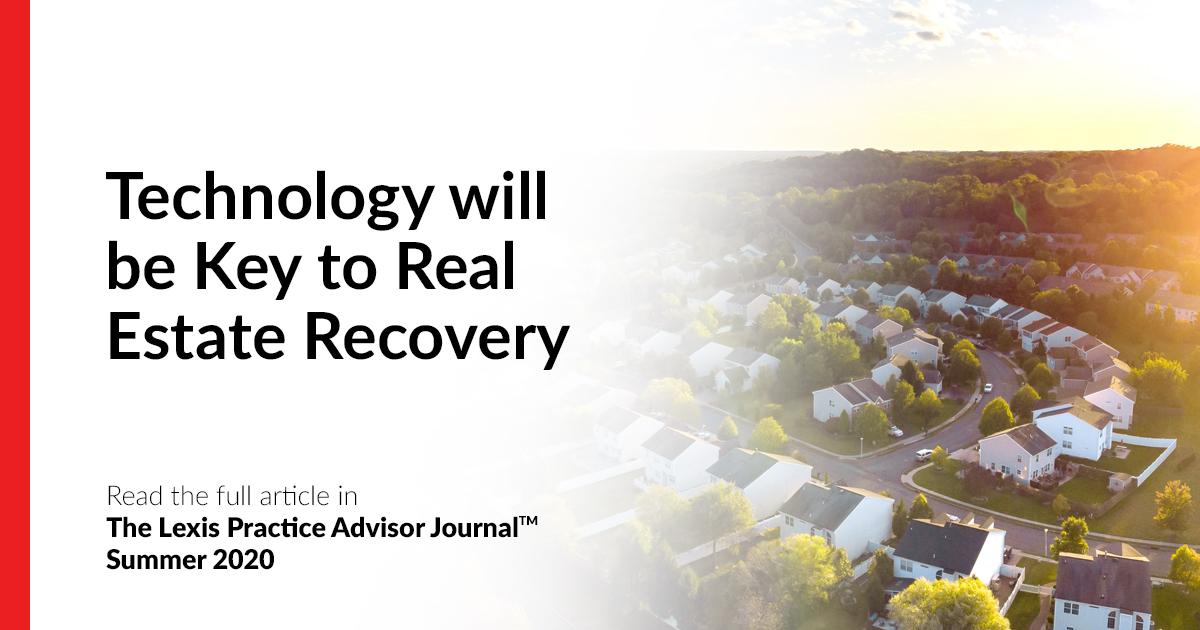
Teh real estate market, a cornerstone of economic stability and growth, has endured unprecedented challenges in the wake of the COVID-19 pandemic. As the world gradually emerges from the disruptions caused by the health crisis, industry experts are now focusing their attention on the landscape of recovery and the emerging trends that are reshaping the sector. From shifting buyer preferences and the rise of remote work to evolving urban dynamics and the increasing emphasis on sustainability, the post-pandemic era presents a complex yet promising environment for real estate stakeholders. This article delves into the key trends and insights that are defining the recovery phase of the real estate market, providing valuable perspectives for investors, developers, and homeowners navigating this transformative period.
Table of Contents
- Understanding Market Dynamics in a Post-Pandemic Landscape
- Key Trends Shaping Real Estate Demand and Supply
- strategic Investment Opportunities for Savvy Buyers
- Best practices for Navigating Financing in a Recovering Market
- In Conclusion
Understanding Market dynamics in a Post-Pandemic Landscape
As the world continues to transition into a post-pandemic environment, the real estate market is experiencing notable shifts that reflect changing consumer preferences and economic realities. Buyers and sellers alike are now more cautious, leading to a recalibration of property valuations and demand. Some of the driving forces behind these changes include:
- Remote Work: the normalization of remote work options is altering the desirability of urban versus suburban properties, with many seeking larger homes in less densely populated areas.
- Health and Safety: Increased emphasis on health considerations has resulted in preferences for properties with better ventilation, outdoor spaces, and access to nature.
- Market Availability:** Inventory levels are fluctuating as homeowners are hesitant to sell amid economic uncertainty, contributing to heightened competition for available listings.
Understanding these trends is crucial for industry stakeholders aiming to capitalize on the evolving market landscape. Real estate agents, investors, and developers must adapt their strategies to align with buyer sentiments. An analysis of market performance indicates that regions embracing flexible living arrangements are seeing quick recoveries, while urban areas may experience a longer adjustment period. The following table illustrates the comparative recovery trends in various property types across different locations:
| Property Type | Urban Areas (%) | Suburban Areas (%) |
|---|---|---|
| Single-family Homes | 3 | 15 |
| Condos | 1 | 7 |
| Rental Properties | 5 | 10 |
Key Trends shaping Real Estate Demand and Supply
The real estate landscape is evolving considerably in the aftermath of the pandemic, shaped by a myriad of factors that are redefining both demand and supply dynamics. Remote work has accelerated the migration to suburban and rural areas, as individuals seek larger living spaces that accommodate home offices. This shift has led to a surge in demand for single-family homes, while urban dwellings, notably smaller apartments, are experiencing a decline. Additionally, health and wellness considerations have prompted buyers to prioritize properties that offer access to outdoor spaces, community amenities, and proximity to nature, thus influencing the types of housing developments that are gaining traction.
On the supply side, the pandemic exposed vulnerabilities in the construction pipeline. Supply chain disruptions have resulted in increased material costs and longer lead times for new projects. Builders are adapting by focusing on enduring practices and incorporating technology to enhance efficiency and lower costs. The emphasis on flexible living spaces is driving innovation in property design, prompting developers to create multifunctional homes that cater to the evolving lifestyle needs of a post-COVID society. furthermore, institutional investors are showing heightened interest in residential rental markets, which is reshaping the investment strategies and availability of rental properties across various regions.
Strategic investment opportunities for Savvy Buyers
As the real estate market begins to recover from the impacts of the pandemic, savvy buyers have a unique chance to capitalize on emerging trends.Key areas to focus on include:
- Suburban growth: With remote work becoming a long-term arrangement for many, buyers are increasingly drawn to suburban areas. These regions often offer larger properties at more affordable prices compared to urban markets.
- Sustainable Properties: Demand for eco-amiable homes is on the rise. Properties equipped with energy-efficient systems or sustainable materials can offer long-term savings and increased resale value.
- technology-Driven Transactions: The integration of virtual tours and digital transactions has made it easier for buyers to explore properties without the constraints of traditional showings. Leveraging this technology can enhance the buying experience.
Investors should also look at evolving market dynamics in various sectors:
| Sector | Prospect |
|---|---|
| Rental Properties | High demand for rental units post-pandemic, especially in urban areas where some residents are returning. |
| Commercial Real Estate | Adaptable spaces for hybrid work models provide a new niche for buyers and investors. |
| Vacation Rentals | Growing interest in domestic travel boosts potential for investment in short-term rental markets. |
Best Practices for Navigating Financing in a Recovering Market
As the real estate market begins to recover post-COVID-19, navigating financing options can feel daunting. Though, being informed about available strategies can substantially alleviate stress. Start by thoroughly assessing your financial situation—consider both your credit score and the current interest rates. This groundwork can definitely help you identify financing options that align with your goals, whether it’s refinancing existing properties or securing loans for new acquisitions. Additionally, resist the urge to rush into deals; a measured approach will allow you to secure favorable terms that can enhance your long-term returns.
Another vital step is to stay updated on government incentives and programs that can aid your financing journey. Many local and national initiatives are designed to encourage investment in recovering markets, so it’s wise to research these opportunities. Additionally, consider the benefits of working with a broker who specializes in post-recovery market trends; their expertise can open up pathways and financing structures previously unconsidered. Remember, establishing strong relationships with lenders and financial advisors can provide insights into the most advantageous products available as the market continues to evolve.
In Conclusion
as the real estate market gradually rebounds from the unprecedented disruptions caused by the COVID-19 pandemic,it is vital for industry stakeholders to remain vigilant and adaptable. the shifts in buyer preferences, the rise of remote work, and changing economic conditions demand a nuanced understanding of current trends and forecasts. By leveraging data-driven insights and embracing innovative strategies, real estate professionals can navigate this evolving landscape effectively.
As we look to the future, the emphasis on sustainability, technology, and community-centric advancement will likely shape the trajectory of the market. With the right foresight and planning, stakeholders can not only capitalize on emerging opportunities but also contribute to a more resilient and inclusive real estate sector. As the dust settles on the pandemic era, the journey towards recovery is just beginning, and the potential for growth remains significant for those ready to adapt to the new normal.