

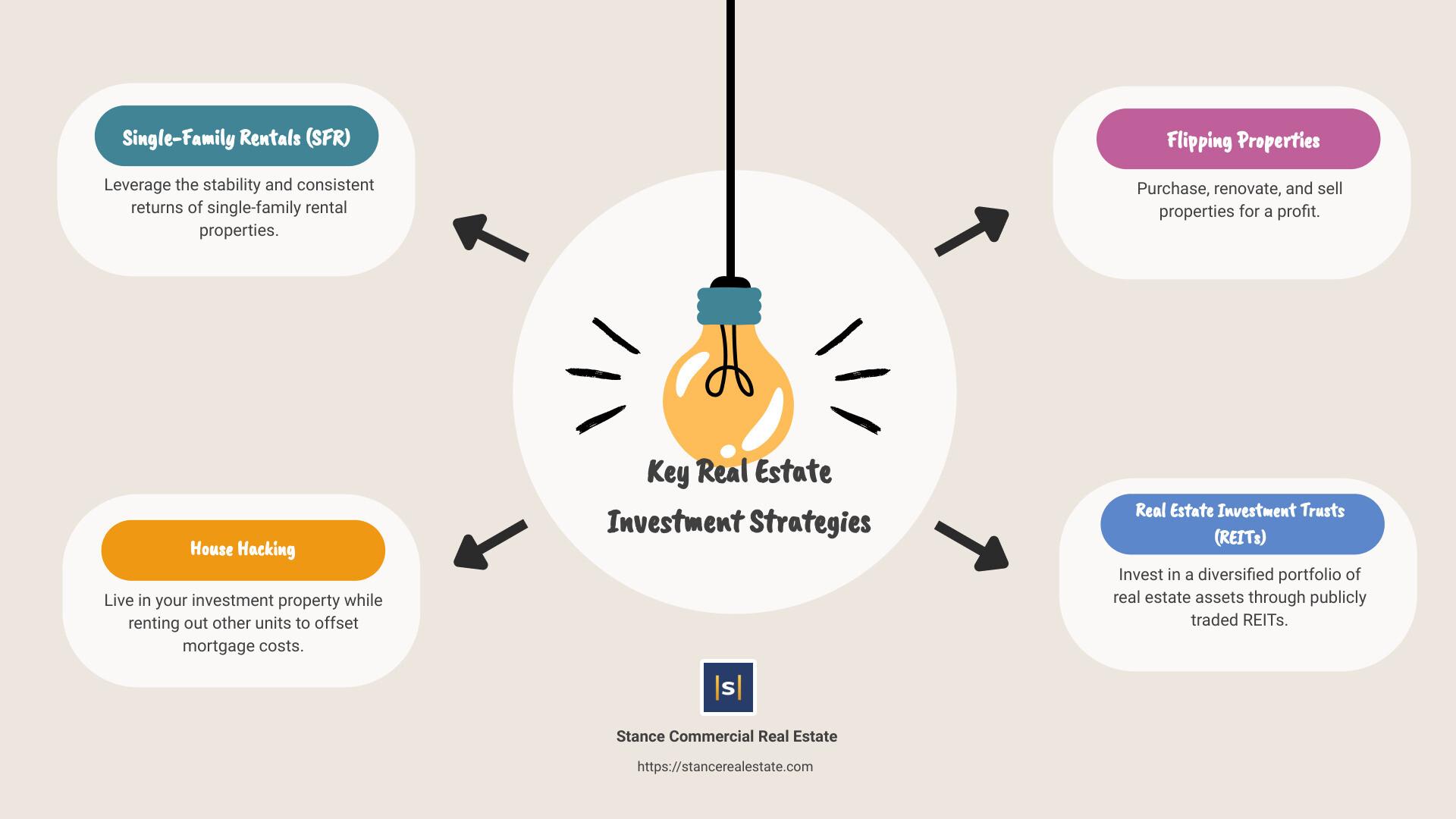
In an increasingly dynamic market, diversifying your real estate portfolio has become not just a wise strategy, but a fundamental necessity for investors seeking long-term success and stability. With economic fluctuations, shifting demographics, and evolving consumer preferences shaping the landscape of real estate, adopting a multifaceted approach is essential to mitigate risks and enhance returns. this article delves into strategic strategies for diversifying your real estate investments, exploring key asset classes, geographic considerations, and innovative investment vehicles.By understanding and implementing these strategies, investors can not only safeguard their portfolios against market volatility but also capitalize on emerging trends and opportunities within the sector. Join us as we navigate the complexities of real estate diversification and uncover actionable insights to elevate your investment strategy.
Table of Contents
- Identifying Emerging Markets for Portfolio Expansion
- Leveraging Alternative Investment Vehicles for Risk Mitigation
- Implementing Sustainable Practices to Enhance Property Value
- Maximizing Returns through Strategic Partnerships and syndications
- In Summary
Identifying emerging Markets for Portfolio Expansion
When it comes to expanding a real estate portfolio, recognizing the right emerging markets is pivotal. these markets not only promise higher returns but also present unique opportunities for growth. To effectively identify such areas, consider the following criteria:
- Economic Indicators: Analyze GDP growth, employment rates, and income levels to gauge market potential.
- Population Trends: Look for regions with significant population growth and urbanization, as these factors often drive demand for real estate.
- Infrastructure Growth: Monitor new transportation, schools, and healthcare facilities that boost local economies, indicating a ripe market for investment.
- Regulatory Surroundings: Evaluate local government policies and regulations to ensure a supportive environment for real estate investment.
In addition to the above criteria, it’s essential to remain informed about local and global trends that influence real estate dynamics. Global economic shifts, technological advancements, and societal changes can significantly affect market stability and growth potential. consider leveraging data analytics and local partnerships to gain deep insights into emerging markets and make informed decisions. A thorough understanding of these variables will not only enhance your portfolio’s diversity but also maximize your investment returns.
Leveraging Alternative Investment Vehicles for Risk Mitigation
Incorporating alternative investment vehicles into your real estate portfolio can significantly enhance your risk management strategy. Private equity real estate funds, as a notable example, allow investors to pool their resources and gain access to larger, diversified property assets that would be out of reach individually. Investing in real estate investment trusts (REITs) also provides liquidity and the potential for steady dividends, making them a popular choice. Moreover, alternative assets such as crowdfunding platforms can lower the financial barrier to entry, enabling you to participate in various markets while reducing exposure to any single investment.
Restructuring your asset allocation to include these options can not only mitigate risk but also improve potential returns. Here are some benefits to consider:
- Diversification: Reduces reliance on direct property investments.
- Liquidity: Offers more flexible exit strategies than customary investments.
- Access to Expertise: professional management typically accompanies pooled funds.
To illustrate the potential impact on risk profiles, consider the following comparative table of traditional real estate investments versus alternative vehicles:
| Investment Type | Risk Level | Liquidity | Management Style |
|---|---|---|---|
| Traditional Real Estate | High | Low | Self-managed |
| REITs | Moderate | High | Professionally managed |
| Crowdfunding | Variable | Variable | Dependent on platform |
| Private Equity Funds | Moderate | Low to Moderate | Professionally managed |
Implementing Sustainable Practices to Enhance Property Value
Integrating eco-friendly features into properties not only aligns with global sustainability goals but also significantly enhances their market value. Buyers today are increasingly prioritizing energy efficiency and environmentally responsible practices when making purchasing decisions. Property owners can consider implementing solar panels, energy-efficient appliances, and stylish water-saving fixtures to create a more appealing and efficient living space. Additionally, incorporating green building materials and emphasizing landscaping that promotes biodiversity can heighten a property’s aesthetic appeal while supporting sustainable living.Such initiatives can lead to lower utility costs and increased demand, positioning the property favorably in a competitive market.
To further the sustainability narrative, investors should analyze the potential return on investment (ROI) from these enhancements. Creating a detailed assessment can assist in determining which sustainable practices yield the highest value.A straightforward approach is to utilize a table format that outlines various features, associated costs, and anticipated returns. For example:
| Feature | Estimated Cost | Potential ROI |
|---|---|---|
| Solar Panels | $15,000 | 20% increase in property value |
| Energy-Efficient Windows | $10,000 | 10% increase in property value |
| Smart Thermostats | $2,000 | 5% increase in property value |
By strategically investing in these green upgrades, real estate investors can not only secure their financial interests but also contribute positively to the environment, making their properties more appealing in a market that increasingly values sustainability.
Maximizing Returns through Strategic Partnerships and Syndications
Leveraging strategic partnerships and syndications can significantly enhance the potential for higher returns in real estate investments. By aligning with experienced partners who bring different skill sets, resources, and networks, investors can mitigate risks while expanding their investment horizons.Here’s how you can benefit from collaboration:
- Shared Expertise: Partnering with seasoned investors or management teams can provide insights that enhance decision-making.
- Resource pooling: Combining financial resources can enable access to larger, more lucrative properties that might be out of reach individually.
- Risk Diversification: Syndication spreads financial risk among multiple investors, allowing participation in various projects without overcommitting capital.
Implementing strategic syndications can also facilitate a more agile response to market changes. Engaging in partnerships allows for continuous accumulation of knowledge and diversification of portfolios. Consider the following key strategies when evaluating potential partnerships:
| Strategy | Benefits |
|---|---|
| joint Ventures | Allows for shared capital needs and combines strengths for project execution. |
| Equity Syndications | Enables group investments, increasing purchasing power and enhancing portfolio diversity. |
| Strategic Alliances | Builds networks for shared resources and knowledge, improving project success rates. |
In Summary
diversifying your real estate portfolio is not just a strategic move; it represents a foundational element in achieving long-term financial success and stability in today’s dynamic market. By employing a combination of residential, commercial, and alternative property investments, alongside geographic diversification and leveraging technology for informed decision-making, investors can effectively mitigate risks and capitalize on emerging opportunities.
As we’ve explored throughout this article, the implementation of disciplined research, ongoing education, and a clear understanding of market trends are crucial in crafting a robust strategy that aligns with your specific investment goals. Whether you are an experienced investor or just starting out, embracing a extensive diversification strategy can lead to enhanced resilience and greater returns.
As you take the next steps in your real estate investment journey, keep these strategic principles in mind to navigate the complexities of the market with confidence. The key to accomplished diversification lies not only in the choices you make but also in your commitment to adapting and evolving with the ever-changing landscape of real estate.