

In the dynamic landscape of real estate financing, the refinancing process serves as a critical tool for property owners and investors seeking to optimize their financial standing. Whether motivated by a desire to reduce monthly payments, secure a lower interest rate, or access equity for future investments, refinancing can considerably impact one’s financial trajectory.This article aims to elucidate the intricacies of the real estate loan refinancing process, providing a comprehensive overview of the fundamental principles, procedural steps, and key considerations involved. By dissecting the various components—ranging from lender selection and appraisal requirements to cost assessments and regulatory implications—stakeholders can make informed decisions that align with their strategic financial objectives. As we delve deeper into this multifaceted process, it becomes imperative to understand not only the mechanics of refinancing but also the potential benefits and risks that accompany this significant financial maneuver.
table of Contents
- Understanding the Fundamentals of Real Estate Loan Refinancing
- Evaluating When to Refinance: Key Indicators and Personal Considerations
- Navigating the Refinancing Process: Steps and Documentation Required
- Assessing the Financial Impact: Cost-Benefit Analysis of Refinancing Options
- Future Outlook
Understanding the Fundamentals of Real Estate Loan Refinancing
Refinancing a real estate loan involves replacing an existing loan with a new one, frequently enough with more favorable terms. This process can significantly impact your financial situation, enabling homeowners to lower monthly payments, reduce interest rates, or access equity. Key factors to consider include:
- Interest Rates: Always compare current market rates with your existing rate.
- Loan Terms: Evaluate whether a fixed-rate or adjustable-rate mortgage is more suitable for your long-term goals.
- Timeframe: Assess how long you plan to stay in the home, as this affects your decision to refinance.
- Fees and Costs: Consider closing costs and any fees associated with refinancing.
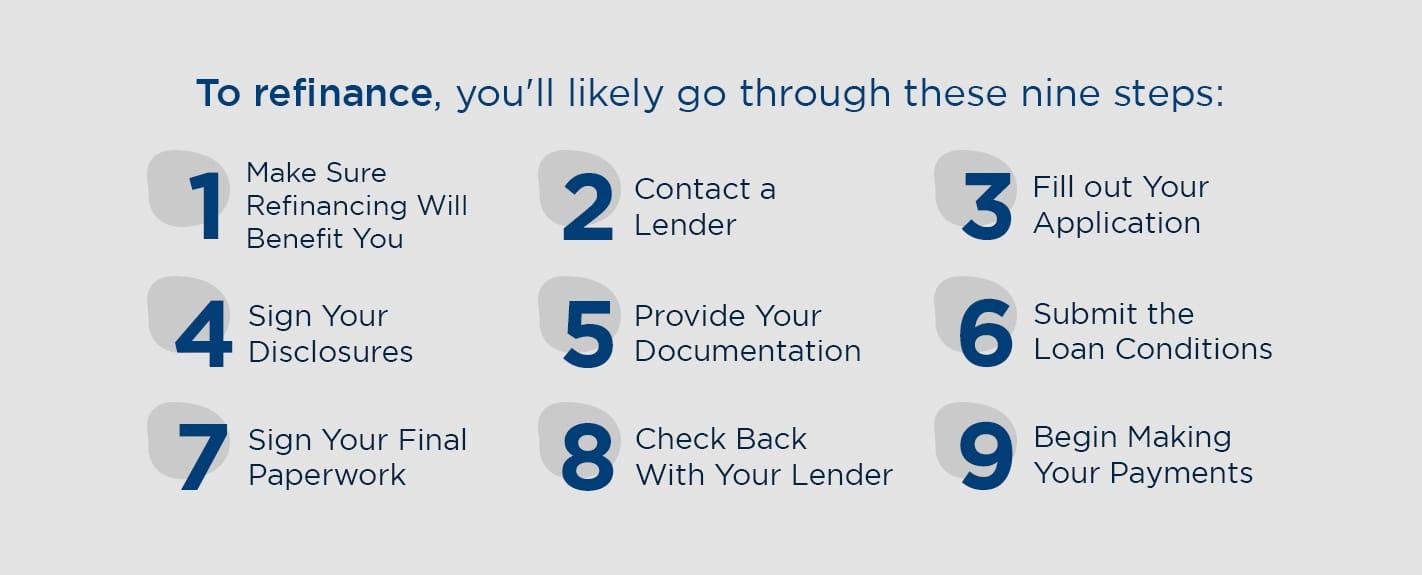
The refinancing process typically follows several crucial steps, ensuring you are well-informed throughout. Initially, you should gather necessary documentation such as income statements, tax returns, and credit reports to assess eligibility. Following this, you can shop around for lenders offering competitive rates and terms.Once you select a lender, you will complete the application process, which includes a thorough review of your financial health. Upon approval, a closing process is initiated whereby you’ll sign documentation, pay any closing fees, and the existing loan is paid off with the new one.
| Key Steps in Refinancing | Description |
|---|---|
| Gather Documentation | Collect income and credit details. |
| Shop for Lenders | Compare various offers and terms. |
| Submit Application | Fill out and submit your loan application. |
| Undergo Approval | Lender reviews your financial details. |
| Close the Loan | Finalize the loan and settle any fees. |
Evaluating When to Refinance: Key Indicators and Personal Considerations
Deciding to refinance a real estate loan is a significant financial decision that requires thorough evaluation of both market conditions and personal circumstances.Key indicators to consider include significant drops in interest rates, ideally at least 0.5-1% lower than your current rate, which can lead to substantial savings over time. additionally, evaluate your credit score and debt-to-income ratio; improvements in these metrics can enhance your refinancing options. Other factors such as current market trends, loan-to-value (LTV) ratio, and the length of time you plan to stay in your home are also crucial in determining whether refinancing will be advantageous.
On a personal level, your financial goals and circumstances must align with the decision to refinance. Consider the costs associated with refinancing, including closing costs and fees, to ensure that your savings outweigh the expenses. It is indeed advisable to utilize a break-even analysis to calculate how long it will take to recoup these costs through the savings generated by a lower monthly payment. Additionally, take into account any potential changes in your financial situation, such as an anticipated job change or family expansion, which may impact your long-term financial strategy.Understanding these elements can help you navigate the refinancing landscape successfully.
Navigating the Refinancing Process: Steps and Documentation Required
Refinancing your real estate loan involves several systematic steps to ensure a smooth transition. First, assess your current financial situation and motivations for refinancing. Are you aiming for a lower interest rate, a different loan term, or converting from an adjustable-rate mortgage (ARM) to a fixed-rate mortgage? Once you clarify your goals, the next step is to shop around for lenders. Evaluate interest rates, terms, and fees to identify the best deal. It’s also prudent to gather your financial documents early, including:
- Proof of Income: pay stubs or tax returns.
- Asset Information: Bank statements and investment account summaries.
- Debt Information: List of all outstanding debts.
After selecting a lender,you can proceed with the application process,where you’ll formalize your request by providing essential documentation.This could include a copy of your purchase agreement if you plan on purchasing a new property, and the details of your current mortgage. The lender will conduct a thorough review of your credit history and financial standing,followed by an appraisal of the property to assess its value. Be prepared for closing costs that may arise; typically, these can include origination fees, appraisal fees, and title insurance. An example of potential costs can be visualized in the table below:
| Cost Type | Estimated Range |
|---|---|
| Origination Fee | $500 – $1,000 |
| Appraisal Fee | $300 – $600 |
| Title Insurance | $500 – $1,500 |
Assessing the Financial Impact: cost-Benefit Analysis of Refinancing Options
When considering refinancing options, a meticulous cost-benefit analysis is essential to assess the potential financial impact on your real estate investment. Start by outlining your current loan’s terms compared to the new refinancing proposals. Key factors to evaluate include:
- Interest Rates: Compare the interest rates and their implications on long-term payments.
- Loan Term: Analyse how extending or reducing the repayment period affects overall costs.
- Closing Costs: Calculate the one-time fees associated with refinancing and how they factor into your savings.
- Monthly Payment Changes: Determine the difference in monthly obligations and their impact on cash flow.
To provide a clearer view of how these elements interact, the following table summarizes the key financial components of your current loan against potential refinanced options:
| Criteria | Current Loan | Refinancing Option 1 | Refinancing Option 2 |
|---|---|---|---|
| Interest rate | 4.5% | 3.7% | 3.4% |
| Loan Term | 30 years | 25 years | 30 years |
| Closing Costs | N/A | $3,000 | $4,500 |
| New Monthly Payment | $1,013 | $894 | $963 |
This analysis not only empowers you to make informed decisions but also helps identify the refinancing option that aligns with your long-term financial goals. Ultimately, understanding these dynamics is vital for optimizing your real estate portfolio’s performance.
Future Outlook
understanding the refinancing process for real estate loans is paramount for homeowners and investors alike. By grasping the various components involved—such as interest rates, loan-to-value ratios, and the impact of credit scores—borrowers can make informed decisions that align with their financial goals. The refinancing process not only offers the potential for reduced monthly payments and improved cash flow but can also play a strategic role in portfolio management during varying market conditions. As you navigate this complex landscape, it is indeed advisable to consult with financial advisors and mortgage professionals who can provide tailored insights to help you achieve optimal outcomes. Ultimately, a thorough comprehension of the refinancing landscape empowers borrowers to leverage their equity effectively and secure favorable lending terms, thereby enhancing their long-term financial health.