

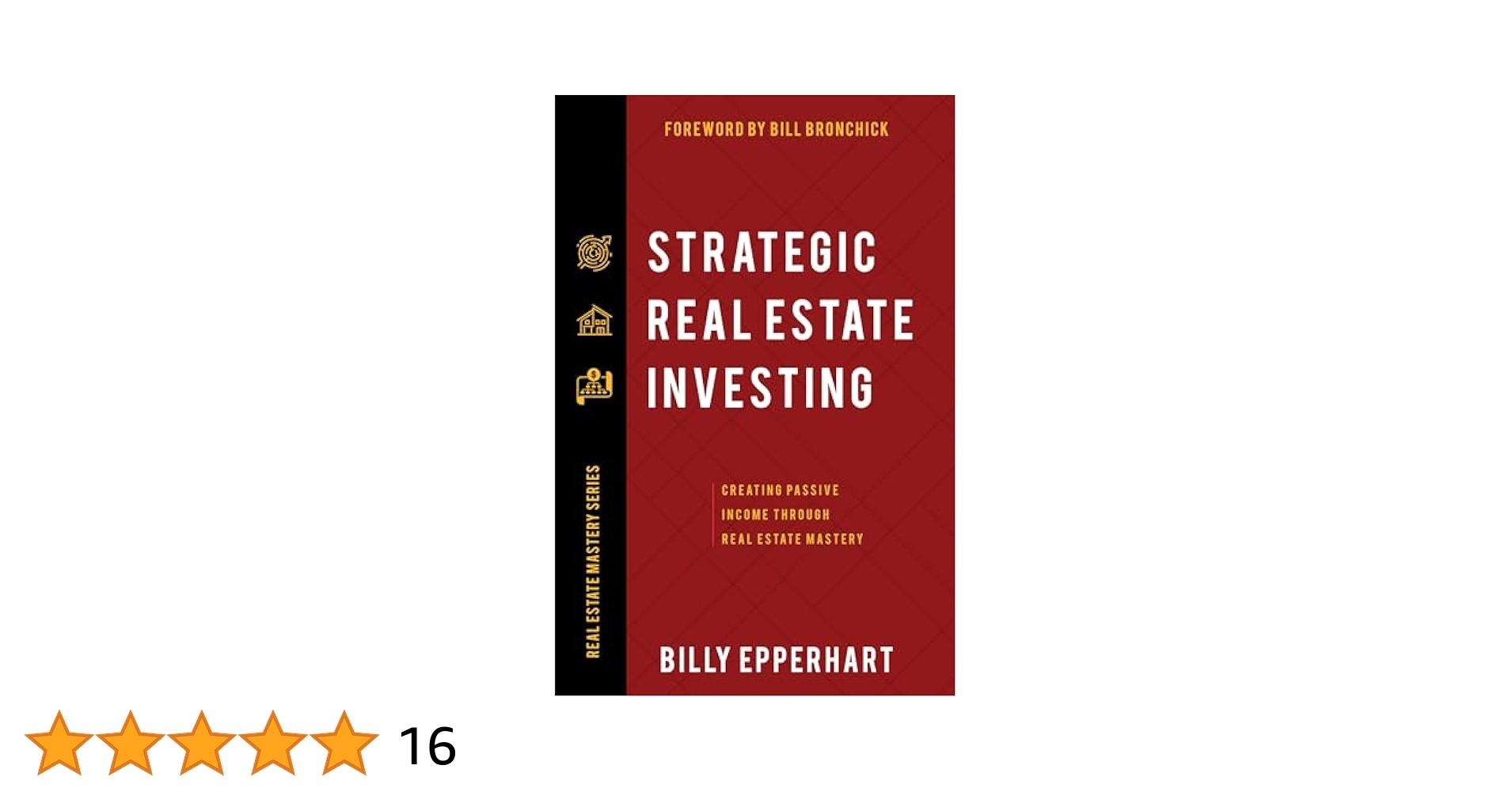
In today’s fast-paced real estate market, characterized by fluctuating interest rates, inventory shortages, and increasing buyer demand, navigating the landscape requires more than just intuition. As seasoned investors, first-time buyers, and industry professionals face an array of challenges, the need for strategic approaches has never been more pronounced. This article delves into the moast effective tactics for maneuvering through a competitive habitat, offering insights on market analysis, negotiation techniques, and innovative investment strategies. Whether you are looking to buy, sell, or invest, understanding these core strategies is essential for achieving success in a market rife with opportunities and obstacles alike. Join us as we explore the crucial elements that can elevate your real estate ventures and secure a competitive edge.
Table of Contents
- Understanding Market Trends and Buyer Behavior
- Crafting a Unique Value Proposition for Properties
- Leveraging Technology for Competitive advantage
- Building Strategic Partnerships and Networking Solutions
- The Conclusion
Understanding Market Trends and Buyer Behavior
In a dynamic real estate landscape, staying attuned to market trends and buyer behavior is crucial for success. A deep understanding of these factors allows agents and investors to make informed decisions. Key trends influencing buyer behavior include:
- Economic Indicators: Fluctuations in interest rates and employment rates significantly affect purchasing power.
- Demographic Shifts: The preferences of millennials and Gen Z in housing, such as eco-amiable options and urban locations, are reshaping market demand.
- Technological Advancements: Increased reliance on virtual tours and online marketing strategies is changing how buyers engage with properties.
To harness these trends, real estate professionals must adopt a data-driven approach to assess and interpret buyer behavior. Analyzing customer feedback,market reports,and social media interactions can lead to valuable insights. consider utilizing a simple overview of recent buyer preferences:
| Buyer Preference | Importance Level |
|---|---|
| Energy Efficiency | High |
| Proximity to Amenities | Medium |
| Smart Home Features | High |
| Flexible Spaces | Medium |
Crafting a Unique Value Proposition for Properties
In an era where differentiation in the real estate marketplace is critical, developing an original value proposition for your properties can set you apart from the competition. Start by identifying the core strengths of your properties, focusing on elements that resonate with potential buyers or renters. Consider aspects such as location, amenities, and architectural features, and highlight how these attributes fulfill the unique needs of your target demographic.Engage with your audience by emphasizing the benefits of choosing your property, whether it’s proximity to essential services, community features, or innovative sustainability elements.
Utilizing a well-structured approach to convey these strengths can be beneficial. Present your value proposition in a concise format that allows potential clients to quickly grasp what differentiates your offerings. A visual depiction, like the table below, can efficiently summarize key benefits:
| Features | Benefits |
|---|---|
| Prime Location | Easy access to major transport links and amenities |
| Modern Amenities | Enhanced convenience and lifestyle quality |
| Enduring Design | lower energy costs and eco-friendly footprint |
By presenting your unique value proposition in a structured and appealing way, you create a compelling narrative that captures interest and drives engagement in a crowded marketplace.
Leveraging Technology for Competitive Advantage
In today’s competitive real estate environment,embracing cutting-edge technology is not just a choice; its a necessity for those seeking to stand out in the market. Real estate professionals can harness tools such as advanced data analytics, virtual reality property tours, and automated customer relationship management systems to streamline operations and enhance client engagement. By leveraging these technologies, agents can utilize data-driven insights to identify market trends, optimize pricing strategies, and improve customer targeting. This proactive approach not only increases efficiency but also positions businesses to react swiftly to market changes.
Furthermore, the implementation of cloud-based platforms allows for seamless collaboration among team members and facilitates real-time sharing of essential facts. Incorporating artificial intelligence enables predictive modeling, helping agents forecast future market conditions and client needs with higher accuracy. To assist in understanding how these technologies can be applied, consider the following comparison of traditional methods versus tech-driven innovations:
| Traditional Method | Tech-Driven Innovation |
|---|---|
| Manual property listings | AI-augmented listings with predictive analytics |
| In-person viewings | Virtual reality tours |
| Standard marketing campaigns | Targeted digital marketing using big data |
| Basic customer follow-ups | Automated CRM-driven personalized communications |
Building Strategic Partnerships and Networking Solutions
In the ever-evolving landscape of the real estate market, fostering relationships with key stakeholders can significantly bolster your competitive edge. Forming alliances with industry experts, local businesses, and financial institutions enriches your network and opens doors to collaborative opportunities. Engaging in events such as real estate expos, networking meetups, and seminars can help you meet potential partners and harness collective expertise. Here are a few strategic approaches to consider:
- Leverage Social Media: Utilize platforms like LinkedIn to connect with industry leaders and groups.
- Participate in Local Chambers of Commerce: Build relationships while staying informed about local market trends.
- Sponsor Community Events: Enhance your visibility and goodwill in the community.
Moreover, establishing strategic partnerships can lead to innovative networking solutions that allow for sharing of resources and knowledge. For instance,consider co-hosting events or workshops that focus on topics relevant to the real estate sector. These initiatives can not only enhance your brand’s presence but also provide valuable insights into emerging market trends.Below is a simple representation of potential partnership avenues:
| Partnership Type | Potential Benefits |
|---|---|
| Financial institutions | Access to funding solutions and mortgage options for clients |
| local Developers | Joint ventures for new projects and shared market intelligence |
| Real Estate Brokers | Referral networks that expand clientele and market reach |
The Conclusion
navigating a competitive real estate market requires a multifaceted and strategic approach.As we have outlined, understanding market dynamics, leveraging technology, and fostering strong relationships are critical components that can give both buyers and sellers a competitive edge. By staying informed and adapting to emerging trends, stakeholders can not only survive but thrive in this ever-evolving landscape. As the market continues to fluctuate, those who apply these strategies will be better positioned to capitalize on opportunities and mitigate challenges. Embracing a proactive mindset is essential for success in today’s competitive real estate environment.