

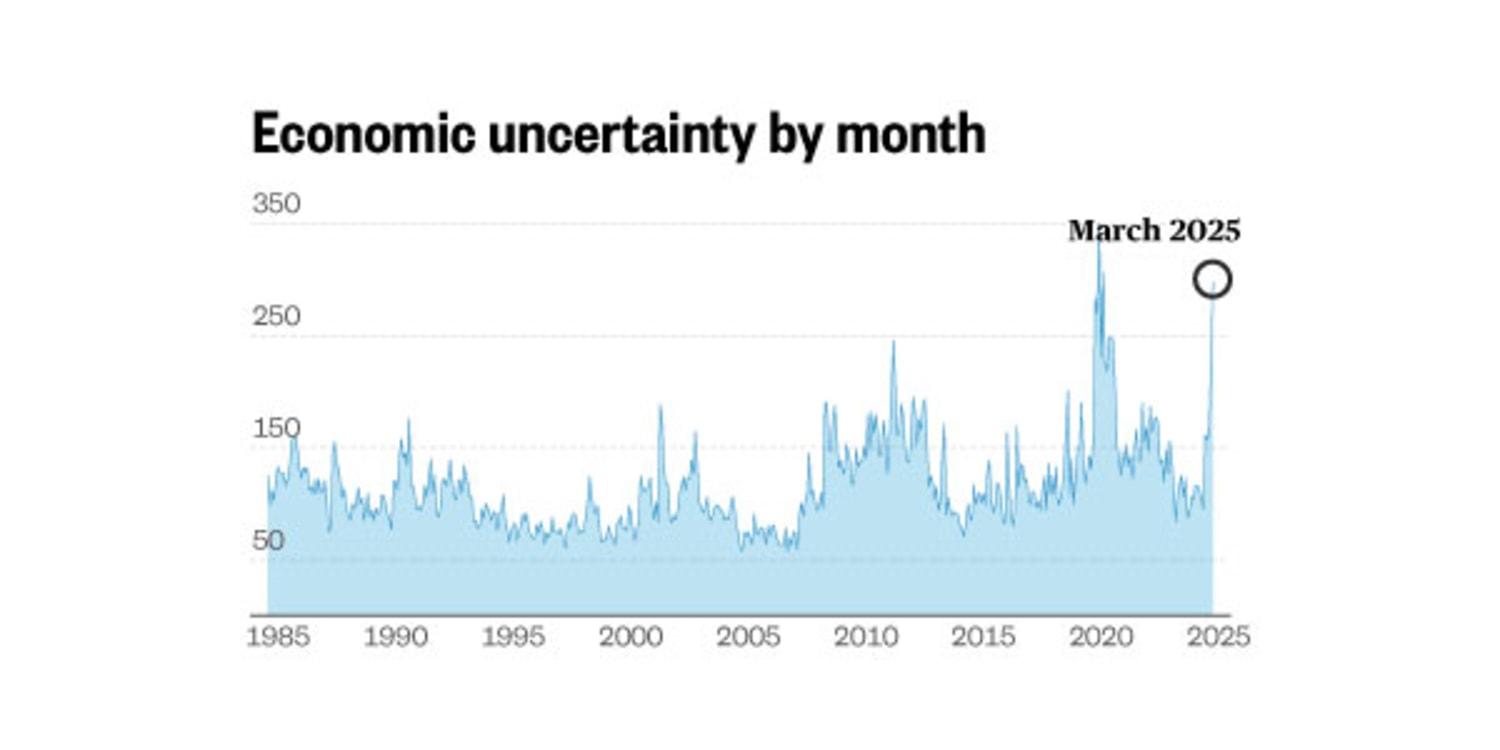
In a world marked by rapid change and unpredictability, navigating economic uncertainty has become a critical endeavor for investors, homeowners, and market analysts alike. The real estate sector,often viewed as a reliable barometer of economic health,is no exception to these challenges. As we steer thru fluctuating interest rates, shifting labor markets, and changing consumer behaviors, understanding the nuances of the real estate market has never been more essential. This article aims to provide valuable insights into current market trends, emerging opportunities, and strategies to make informed decisions during these turbulent times. Whether you’re a seasoned investor looking to adapt your portfolio or a first-time buyer trying to find your footing, our complete exploration will equip you with the knowledge needed to thrive amidst uncertainty. Join us as we delve into the factors shaping the real estate landscape and uncover ways to navigate these complex waters with confidence.
Table of Contents
- Understanding Market Trends Amid Economic fluctuations
- Identifying Opportunities in distressed Properties
- Strategies for Investors to Mitigate Risk
- The Importance of Professional Guidance in Unpredictable Times
- Closing remarks
Understanding Market Trends Amid Economic Fluctuations
In the face of economic fluctuations, identifying and understanding market trends is essential for both buyers and investors.Current economic indicators, such as interest rates, inflation, and employment rates, play a significant role in shaping the real estate landscape. As an example, rising interest rates can result in higher mortgage costs, leading to a slowdown in home purchasing activity. Conversely, a steady job market might boost consumer confidence, encouraging investments in properties. To successfully navigate these shifts, it’s vital to keep an eye on key factors that influence market dynamics:
- Housing supply and demand: Analyzing inventory levels can provide insights into whether it’s a buyer’s or seller’s market.
- Regional economic performance: Local economies often respond differently to broad economic changes; understanding this can inform targeted investments.
- Demographic trends: Shifts in population, such as millennials entering the housing market, can impact demand considerably.
Moreover, seasoned investors understand the importance of past data in predicting future trends. By examining price fluctuations over time, one can better assess potential risks and rewards. the table below summarizes essential historical performance metrics that investors should consider:
| Year | Median Home Price | Interest Rate (%) | Market Type |
|---|---|---|---|
| 2019 | $300,000 | 3.5 | Seller’s |
| 2020 | $320,000 | 3.0 | Seller’s |
| 2021 | $350,000 | 2.8 | Seller’s |
| 2022 | $330,000 | 4.5 | Buyer’s |
| 2023 | $360,000 | 5.0 | Buyer’s |
By integrating both present conditions and historical data, stakeholders can make informed decisions. navigating economic uncertainty is challenging, but with a keen understanding of the real estate market’s pulse, investors can turn potential obstacles into opportunities.
Identifying opportunities in Distressed properties
In times of economic uncertainty, distressed properties can represent hidden gems for investors and homebuyers willing to dig a little deeper. These properties, often facing financial hardships or physical deterioration, typically come with lower price tags, creating the potential for significant returns through renovation and resale. To accurately identify these opportunities, it’s crucial to consider several factors:
- Market Research: Analyze local market trends and property values to pinpoint neighborhoods where distressed properties are prevalent.
- Property Condition: Assess the extent of repairs needed versus potential resale value to ensure the investment is viable.
- Seller Motivation: understanding why a property is distressed (foreclosure, divorce, death) can provide leverage in negotiations.
- financial Incentives: Look for properties that may qualify for grants or subsidies aimed at revitalizing neighborhoods.
Approaching distressed properties requires a mix of caution and creativity. It’s important to evaluate not just the physical aspects, but also potential future developments in the area that could influence property values. Utilizing a comprehensive strategy may involve:
- Building Relationships: Networking with local real estate agents and attending auctions can help you find properties before they hit the market.
- Assessing Market Rebounds: Keep an eye on employment rates and local amenities that may signal an area is poised for growth.
- Calculating ROI: create a detailed financial plan that includes all potential costs and expected selling prices.
| Property Type | Common Issues | Investment Potential |
|---|---|---|
| Single-Family Homes | Structural damage, outdated systems | High, if renovated |
| Multi-family Units | Vacancy, delinquent tenants | Moderate, with management improvements |
| Commercial Properties | Economic shifts, zoning issues | Variable; depends on location |
Strategies for Investors to Mitigate Risk
Investors navigating today’s unpredictable economic landscape must prioritize risk reduction strategies to safeguard their portfolios. diversifying investments across different asset classes can significantly lower risk exposure. This can include considering not only customary residential real estate but also commercial properties,industrial spaces,and mixed-use developments. Additionally, geographic diversification is essential; investing in varying markets can help minimize the impact of localized economic downturns. Key strategies include:
- Asset Allocation: Distributing investments across various categories to balance risk.
- Emergency Fund: Maintaining liquidity for unforeseen expenses or market downturns.
- Market Research: Staying informed about trends and economic indicators affecting real estate values.
Another effective approach is conducting thorough due diligence before any investment.This encompasses not just financial analysis but also understanding the local market dynamics, regulatory surroundings, and potential economic developments. Investors should also consider leveraging technology and data analytics tools to assess risk more effectively. These insights can lead to well-informed decisions that enhance long-term stability and growth of investment returns. A succinct overview of additional techniques includes:
| Technique | Description |
|---|---|
| Property Inspections | Regular evaluations to detect potential repairs before they escalate. |
| Insurance Coverage | Comprehensive policies to protect against significant unforeseen losses. |
| partnerships | Collaborating with experienced investors to share insights and resources. |
The Importance of Professional Guidance in Unpredictable Times
In the face of economic turbulence, having a trusted advisor can make all the difference. Professionals in the real estate sector bring a wealth of experience and knowledge that can definitely help individuals and families navigate the choppy waters of buying, selling, or investing in property. Understanding market trends, evaluating investment potential, and advising on pricing strategies are just a few of the ways these experts can mitigate risks associated with financial unpredictability. Their insights into local and national market fluctuations, especially during uncertain times, can provide a solid foundation for well-informed decisions.
Moreover, professional guidance extends beyond mere transactional advice. It encompasses a holistic approach to asset management and strategic planning. Real estate professionals often offer services that include:
- Market Analysis: In-depth research on current market conditions.
- Risk Assessment: Identifying potential pitfalls and developing contingency plans.
- Regulatory Compliance: Keeping clients informed about changing laws and regulations.
This comprehensive support ensures that clients are not only prepared for immediate transactions but also equipped with the knowledge and resources needed to make sound investment decisions that align with their long-term financial goals.
Closing Remarks
As we navigate the waves of economic uncertainty,understanding the intricacies of the real estate market becomes more crucial than ever.Whether you are a seasoned investor, a first-time homebuyer, or simply someone interested in the evolving landscape, staying informed is key to making sound decisions.
The insights we’ve explored throughout this article underscore the importance of adaptability, research, and strategic planning in a fluctuating market. While challenges may arise, opportunities frequently enough follow for those prepared to seize them.
As the economic landscape continues to shift, we encourage you to keep a close eye on market trends and engage with professionals who can illuminate the path forward. By staying informed and proactive, you can navigate the uncertainties and make choices that align with your financial goals.
Thank you for joining us on this exploration of real estate in times of change. We hope this article has equipped you with valuable insights for your journey in the ever-evolving world of real estate. Stay tuned for more updates and expert advice as we continue to track the dynamics of the market together.