

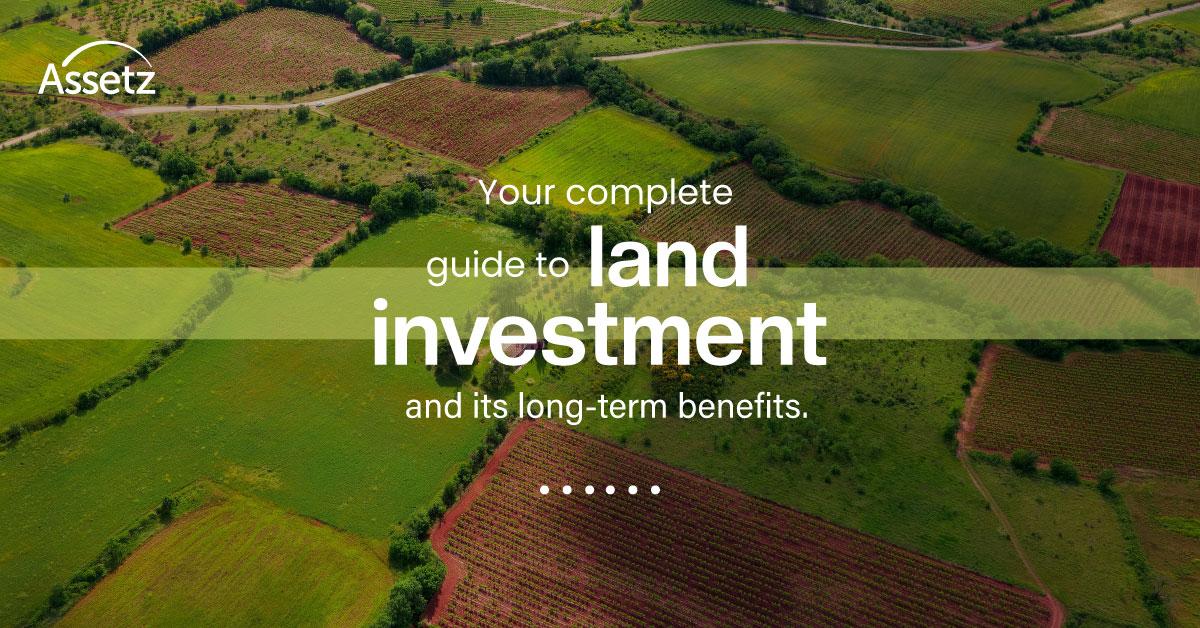
In an ever-evolving economic landscape, land investment remains a robust and tangible asset class that offers unique opportunities for growth and diversification. As investors look to expand their portfolios beyond conventional stocks and bonds, understanding teh intricacies of land investment becomes crucial. This article aims to provide strategic insights into the essential considerations for effectively investing in land, from identifying prime locations and assessing market trends to navigating regulatory frameworks and evaluating potential returns. By equipping investors wiht practical tips and expert advice, we intend to empower them to make informed decisions that align with their financial goals while minimizing risks.whether you are a seasoned investor or exploring your first acquisition,understanding the nuances of land investment can pave the way for sustainable success in a dynamic market.
Table of Contents
- Understanding Land Investment Fundamentals
- Evaluating Location and Market Trends
- Conducting Due Diligence for Land Acquisition
- Financial Strategies for Sustainable Land Investments
- Final Thoughts
Understanding Land Investment Fundamentals
Investing in land can be a rewarding venture, but understanding its fundamentals is crucial to making informed decisions. First and foremost, consider the location of the land. Diffrent locations may offer varying growth potentials,influenced by factors like economic trends,population growth,and access to amenities. Economic zones, proximity to urban centers, and planned infrastructure can significantly enhance land value over time. Regularly reviewing zoning laws and land use regulations is also essential,as these can impact your intended use for the property and,consequently,its future resale value.
Additionally, it’s vital to conduct thorough due diligence before committing to a purchase. Key elements to investigate include the land’s history, any outstanding liens, and the presence of environmental hazards. Utilize surveys and geological studies to uncover any potential issues that may affect development or usability. Collaborating with real estate professionals and land consultants can further provide insights and mitigate risks. Below are some essential factors to consider during your research:
- Access to utilities: Confirm the availability of water, electricity, and sewer systems.
- Topography: Assess the landscape features to understand suitability for development.
- Market Trends: Analyze recent sales and economic forecasts in the area.
- Legal Restrictions: Review easements, covenants, or restrictions on land use.
Evaluating Location and Market Trends
When considering land investments, it is crucial to conduct a thorough analysis of both location and market dynamics. A well-selected location serves as the foundation for a profitable investment, and understanding the nuances of the area can make all the difference. Key factors to evaluate include:
- Proximity to Urban Centers: Accessibility to cities frequently enough correlates with demand.
- Development Potential: Investigate zoning regulations and future planned developments.
- Economic Indicators: Look for signs of growth in the local economy, such as job creation and population growth.
In addition, understanding current and projected market trends is essential for making informed investment decisions. Analyze past data to identify patterns and fluctuations in land prices, and consider the broader market context. Important market indicators to track include:
| Indicator | Description | Implication |
|---|---|---|
| Supply and Demand | Balance of available land versus buyer interest | High demand with low supply generally drives prices up. |
| Market Cycle | Phase of growth or decline in the real estate market | Understanding the cycle helps in timing the investment. |
| Interest Rates | Cost of borrowing money for land purchases | Low rates can enhance buying power and increase demand. |
Conducting Due Diligence for Land Acquisition
Conducting due diligence is a critical step in the land acquisition process,ensuring that investors have a complete understanding of all potential risks and benefits associated with a property. Key areas to investigate include:
- Title Search: Verify ownership and identify any liens, encumbrances, or easements that may affect the property’s usability.
- Zoning Regulations: Examine local zoning laws to determine permissible uses and any potential restrictions that could impact development plans.
- Environmental Assessments: Conduct environmental due diligence to uncover any potential hazards, such as contamination or protected habitats.
- Market Analysis: Assess the local real estate market trends to understand potential appreciation and demand for the property.
Furthermore, obtaining informed expert opinions can provide valuable insights to fine-tune your investment strategy. Consider the following resources:
| Resource | Description |
|---|---|
| Real Estate attorney | Legal expertise on property rights and liabilities. |
| Surveyor | Accurate measurements and boundaries of the land. |
| Environmental Consultant | Assessment of potential environmental risks and compliance. |
| Local Government Office | Facts on zoning, permits, and future developments. |
Financial Strategies for sustainable Land Investments
Investing in land requires a strategic approach to ensure sustainability while maximizing returns. Key financial strategies involve conducting thorough market analysis to identify regions with growth potential and environmental resilience. Consider diversifying your portfolio by investing in various types of land, such as agricultural, residential, or commercial plots. this diversification helps mitigate risks associated with market fluctuations. Partnerships can also enhance investment power; collaborating with local stakeholders or investors can provide insights and resources that lead to prosperous project outcomes.
Another crucial aspect is understanding the financial instruments available for funding land investments. Options such as traditional loans, crowdfunding, or real estate investment trusts (REITs) offer varying levels of risk and return. It’s essential to assess the terms and conditions, interest rates, and repayment schedules when selecting a financial product. Additionally,maintaining a buffer for unexpected costs related to land development,maintenance,or market changes can safeguard your investment. Here is a simple overview of some financial instruments you might consider:
| Financial Instrument | characteristics |
|---|---|
| Traditional Loans | Fixed or variable interest rates,secured against the property. |
| Crowdfunding | Pooling funds from multiple investors for a shared equity stake. |
| REITs | Investing in a portfolio of income-generating real estate without direct ownership. |
| Private Equity | Investment in land through private investment firms, usually offering higher returns but with more risk. |
Final Thoughts
investing in land presents a unique possibility for those looking to diversify their portfolio and capitalize on the potential for long-term growth. By adhering to the essential tips outlined in this article—conducting thorough research, understanding market trends, and evaluating the specific uses and zoning regulations of the land—you can make informed decisions that align with your financial goals. As with any investment, it is imperative to exercise due diligence and consider seeking advice from real estate professionals or financial advisors to navigate the complexities of land investment effectively. With strategic planning and a keen eye for opportunity, you can position yourself for success in this rewarding venture. Remember, the right insights today can pave the way for notable returns tomorrow. Happy investing!