

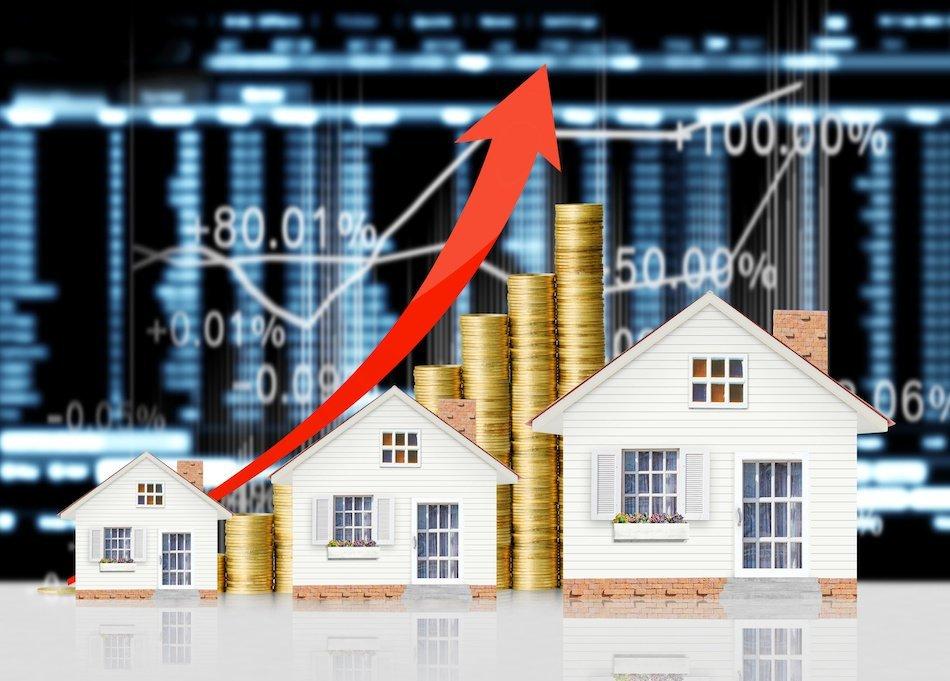
In the ever-evolving realm of real estate investing, the concept of appreciation is not just a financial strategy—it’s a cornerstone of wealth-building potential. Whether you are a seasoned investor or a newcomer navigating your first purchase, understanding how to leverage property appreciation can significantly influence your overall returns. Market dynamics, location trends, and property improvements all play a pivotal role in determining how much your investment can grow in value over time. In this article, we will delve into the mechanisms of appreciation, explore proven strategies to maximize returns, and provide insights on how to make informed decisions that can lead to substantial gains in the competitive world of real estate. Join us as we uncover the secrets to harnessing appreciation and unlocking the full potential of your investment portfolio.
Table of Contents
- Understanding Real Estate Appreciation and Its Impact on Investment Strategies
- Identifying Markets with High Appreciation Potential: Key Indicators to Watch
- Leveraging Property Improvements to Boost Appreciation and Increase Value
- Creating a Diversified Portfolio: Balancing Appreciation with Cash Flow Considerations
- The Conclusion
Understanding Real Estate Appreciation and Its Impact on Investment Strategies
Real estate appreciation refers to the increase in property value over time, influenced by factors such as location, economic growth, and property improvements. Understanding this concept is crucial for investors aiming to maximize their returns. Successful investors often capitalize on appreciation by making informed decisions about when and where to invest. They analyze market trends and identify potential properties that are likely to appreciate due to factors like urban development, increasing demand, and demographic shifts. By focusing on these key areas, investors can secure properties that will not only meet their immediate needs but also grow in value, ensuring a higher return on investment.
To effectively incorporate appreciation into investment strategies, consider the following approaches:
- Long-term Holding: Investing in properties with strong appreciation potential and holding them for an extended period can yield significant returns.
- Strategic Enhancements: Making thoughtful renovations or improvements can elevate property value, increasing the overall return.
- Market Timing: Entering a market during its growth phase can greatly enhance the appreciation potential.
Below is a simple representation of appreciation trends that could influence investment decisions:
| City | Current Value | 5-Year Appreciation Rate |
|---|---|---|
| City A | $300,000 | 15% |
| City B | $250,000 | 10% |
| City C | $450,000 | 20% |
By keeping these strategies in mind and staying attuned to market dynamics, investors can leverage appreciation effectively, transforming their investments into long-term wealth-building assets.
Identifying Markets with High Appreciation Potential: Key Indicators to Watch
When analyzing potential markets for real estate investment, several key indicators can reveal opportunities for appreciation. Understanding economic growth trends is critical; look for areas with increasing job opportunities, population growth, and a robust local economy. Key factors to monitor include:
- Job Growth: A thriving job market attracts new residents, driving housing demand.
- Population Trends: Areas experiencing an influx of residents often see rising property values.
- Infrastructure Developments: Investments in public transport and amenities enhance neighborhood appeal.
Moreover, neighborhood dynamics play a substantial role in property appreciation. Evaluate the quality of local schools, crime rates, and community engagement. These elements often influence buyer sentiment and long-term value retention. Important indicators include:
- School Ratings: Higher-ranked schools can lead to increased demand for homes in the area.
- Crime Statistics: Lower crime rates typically correlate with an increased desire to buy in the community.
- Community Improvement Initiatives: Active participation in local development can signal future growth potential.
Leveraging Property Improvements to Boost Appreciation and Increase Value
Making targeted improvements to a property can significantly enhance its market value, making it a strategic move for real estate investors. By focusing on areas that yield the highest returns, one can harness the power of appreciation effectively. Consider implementing the following enhancements:
- Curb Appeal Enhancements: Simple landscaping, fresh paint, and updated entryways can create a strong first impression.
- Modernizing Interiors: Updating kitchens and bathrooms with contemporary fixtures often yield high returns.
- Energy Efficiency Improvements: Installing energy-efficient windows and appliances not only appeals to buyers but can also lower utility costs.
It’s essential to analyze the local real estate market to identify trends that can guide these improvements. The table below outlines typical budget ranges for common renovations and their potential impact on property value:
| Renovation Type | Estimated Cost | Potential Value Increase |
|---|---|---|
| Kitchen Remodel | $15,000 – $50,000 | 75% – 100% |
| Bathroom Update | $5,000 – $20,000 | 60% – 80% |
| Curb Appeal (Landscaping) | $2,000 – $10,000 | 100% – 150% |
By strategically prioritizing and investing in these key improvements, investors can not only elevate their property’s appeal but also create significant opportunities for appreciation that support long-term financial growth.
Creating a Diversified Portfolio: Balancing Appreciation with Cash Flow Considerations
In real estate investing, achieving a harmonious balance between appreciation and cash flow is crucial for long-term success. Investors often face the dilemma of choosing properties that will either appreciate significantly over time or yield consistent cash flow. A well-rounded strategy involves selecting a combination of properties that cater to both goals. This approach not only mitigates risks but also lays the foundation for sustainable growth in your portfolio. Consider the following strategies when crafting your diversified portfolio:
- Mix of Asset Types: Incorporate a variety of real estate assets such as residential, commercial, and industrial properties to tap into different appreciation cycles and cash flow opportunities.
- Geographic Diversification: Invest in multiple markets to leverage regional growth patterns and minimize the impact of local economic downturns.
- Time Horizon Consideration: Integrate both short-term rental properties and long-term investments to ensure a balance between immediate cash flow and potential appreciation.
To further streamline investment decisions, it’s beneficial to analyze property performance through measurable metrics. Below is a simple table illustrating key considerations for potential properties:
| Property Type | Estimated Appreciation (%) | Expected Cash Flow ($/month) |
|---|---|---|
| Residential | 5-10% | 1,200 |
| Commercial | 7-12% | 2,500 |
| Industrial | 6-9% | 3,000 |
By consulting such tables and employing a multi-faceted approach, investors can achieve a well-diversified portfolio that not only thrives on appreciation potential but also provides stable cash flow. This balanced investment strategy is essential for navigating the dynamic landscape of real estate investing.
The Conclusion
leveraging appreciation in real estate investing can transform your portfolio from a modest investment into a significant wealth-building tool. By understanding market trends, identifying high-growth areas, and adopting a strategic approach to property management, you can maximize your returns and secure your financial future. Remember, real estate is not just about buying and selling; it’s about making informed decisions that align with your long-term goals. As you embark on your investing journey, continue to educate yourself, network with industry professionals, and remain adaptable to changing market conditions. With diligence and insight, you can harness the power of appreciation to achieve success in real estate. Here’s to making smart investments that grow and prosper over time!