

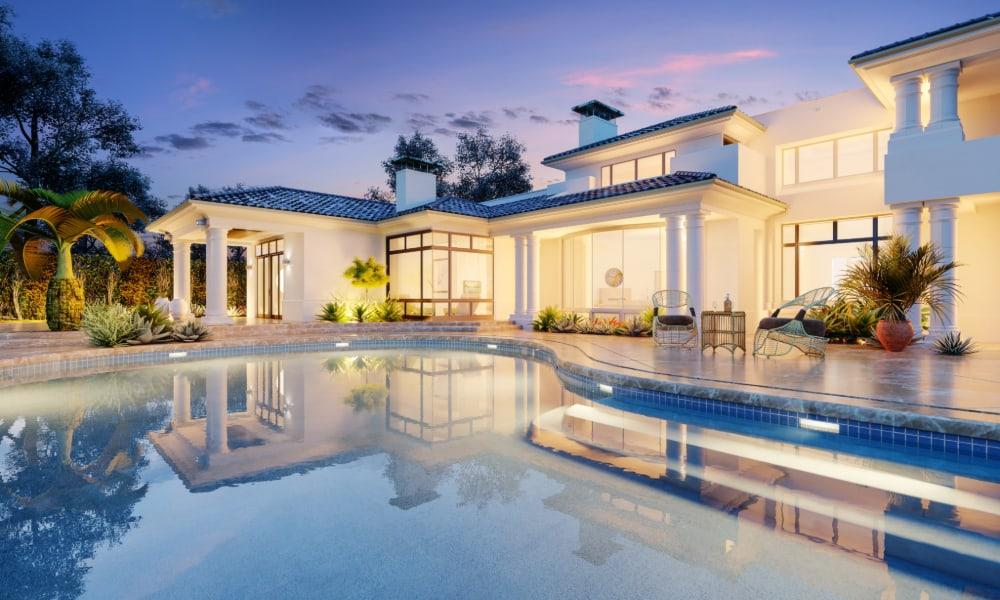
Introduction:
As the luxury real estate market continues to evolve, a dynamic interplay of socio-economic factors, technological advancements, and shifting consumer preferences is redefining the landscape for buyers and investors alike. In recent years, we have witnessed a remarkable conversion driven by an influx of affluent millennials, the rise of remote work, and a heightened emphasis on sustainability. This article explores the emerging trends that are shaping the luxury real estate sector, from innovative smart home technologies to a growing demand for wellness-oriented design. As industry professionals adapt to these changes,understanding these trends will be crucial for navigating the future of high-end properties and meeting the demands of a complex clientele. Join us as we delve into the key developments that are setting the stage for the next chapter in luxury real estate.
Table of Contents
- Sustainable Luxury: Integrating Eco-Friendly Designs in High-End Properties
- Technology Integration: The Role of Smart Home Systems in Luxury Living
- Urbanization and Lifestyle: How Location Preferences are Evolving Among Affluent Buyers
- Market Expectations: Navigating the Shifts in Buyer Demands and Investment Strategies
- The Conclusion
Sustainable luxury: integrating Eco-Friendly Designs in High-End Properties
As the demand for luxury properties continues to evolve, a notable trend emerging in the market is the incorporation of eco-friendly designs. High-end real estate developers are increasingly focusing on sustainable architecture and green building practices to attract discerning buyers who prioritize environmental duty. This shift not onyl enhances the aesthetic appeal of luxury homes but also promotes energy efficiency and reduces the overall carbon footprint. Features such as solar panels, rainwater harvesting systems, and the use of reclaimed materials are becoming hallmark traits of these upscale developments.
Along with customary amenities, luxury buyers are now seeking properties that offer wellness-oriented features and embrace nature.this includes landscaped green roofs, large windows for natural light, and spaces designed for indoor-outdoor living.The integration of smart home technology further enhances sustainability, enabling homeowners to monitor energy consumption and optimize their living habitat. With a growing appreciation for the planet, the luxury real estate market is witnessing a new era where eco-conscious living becomes synonymous with high-end lifestyle, catering to the needs of a generation that values both opulence and planetary welfare.
Technology integration: The Role of Smart home Systems in Luxury Living
the luxury real estate market is undergoing a significant transformation, driven by the integration of smart home technology that redefines comfort and elegance. home automation systems have become a hallmark of upscale living, offering unparalleled convenience and control over daily activities. Smart lighting, temperature control, and advanced security features are just a few key components that elevate luxurious residences. With the ability to manage these systems remotely, homeowners enjoy not only efficiency but also the peace of mind that accompanies enhanced safety and energy management.
As affluent buyers increasingly prioritize technological sophistication, the demand for features such as voice-activated assistants, smart appliances, and integrated entertainment systems is on the rise. Properties equipped with these innovations frequently enough command higher market values, thus highlighting a trend toward modernized living spaces. Benefits of smart home systems include:
- Increased energy efficiency through automated settings
- Enhanced security with remote monitoring and alerts
- personalized experiences that adapt to individual preferences
Moreover,as these technologies evolve,customizable solutions are emerging,allowing bespoke design that aligns with the tastes and aspirations of luxury homeowners,further fortifying their appeal in the upscale market.
Urbanization and Lifestyle: How Location Preferences are Evolving Among Affluent Buyers
As urban landscapes continue to evolve, so too do the preferences of affluent buyers seeking luxury properties. High-net-worth individuals are increasingly drawn to vibrant neighborhoods that offer a blend of urban convenience and natural beauty. A key aspect influencing these location choices is the desire for a sustainable lifestyle. Many affluent buyers are now prioritizing areas with access to green spaces, eco-friendly amenities, and community initiatives that promote sustainability.These buyers are searching for homes that not only reflect their personal aesthetic but also align with their values regarding environmental stewardship.
Furthermore, the advent of remote work has reshaped traditional notions of location. As versatility becomes the norm, affluent buyers are exploring properties in regions once considered secondary markets. They are increasingly interested in locales that offer a superior quality of life, characterized by fewer crowds and enhanced privacy. This shift leads to a growing demand for luxury developments in suburban or rural settings that maintain proximity to urban centers.Key factors influencing these evolving preferences include:
- Access to recreational activities
- Proximity to cultural institutions
- safety and low crime rates
- Sophisticated dining and shopping options
Market Expectations: Navigating the Shifts in Buyer Demands and Investment Strategies
As we navigate through shifting tides in the luxury real estate sector, there is a notable shift in buyer preferences and investment strategies. More buyers are now prioritizing sustainable living and smart home technology, signaling an increasing demand for properties that offer environmental benefits alongside luxury. This trend is compelling developers to incorporate green building practices and energy-efficient designs into their offerings, which not only attracts eco-conscious buyers but also increases long-term property value. Furthermore, the rise of remote work has led to a growing interest in properties located away from bustling urban centers, as buyers seek larger spaces that accommodate their new lifestyles.
Investment strategies are also evolving, reflecting these changing market expectations. Real estate investors are now focusing more on diversified portfolios that include vacation rentals and mixed-use developments. This approach caters to the rising trend of short-term rentals, appealing to those seeking luxury accommodations for temporary stays. Additionally, investors are turning their attention to up-and-coming neighborhoods that promise future appreciation, looking for opportunities to capitalize on transitional areas with emerging infrastructures. As the market shifts, staying attuned to these trends will be essential for both buyers and investors aiming to thrive in the competitive landscape.
| Trend | impact on Buyers | Investment Opportunities |
|---|---|---|
| Sustainable Living | Preference for eco-friendly homes | Green building developments |
| Smart Home Technology | Desire for integrated systems | High-tech luxury listings |
| Remote Work | Demand for spacious homes | Properties in suburban/rural areas |
| Short-term Rentals | Flexible accommodation options | Investment in vacation properties |
The Conclusion
As we conclude our exploration of the emerging trends shaping the luxury real estate market,it is evident that this sector is on the cusp of transformative changes. The integration of technology, a growing emphasis on sustainability, and the evolving preferences of affluent buyers are driving a paradigm shift in how luxury properties are developed, marketed, and valued. As these trends continue to unfold, industry stakeholders must remain agile and adaptable to stay ahead in this competitive landscape.
Investors, developers, and real estate professionals should take note of the demographic shifts and technological advancements influencing buyer behavior, as personalized experiences and innovative designs become paramount. The remarkable resilience of the luxury real estate market, even in fluctuating economic conditions, underscores its unique position within the broader property sector.
As we look to the future, the convergence of luxury with lifestyle values and eco-conscious practices will likely define the next wave of opportunities. By staying informed and proactive, participants in the luxury real estate market can navigate this evolving environment and capitalize on the potential that lies ahead. The journey into this new era is just beginning, and the possibilities are boundless for those ready to embrace change.