

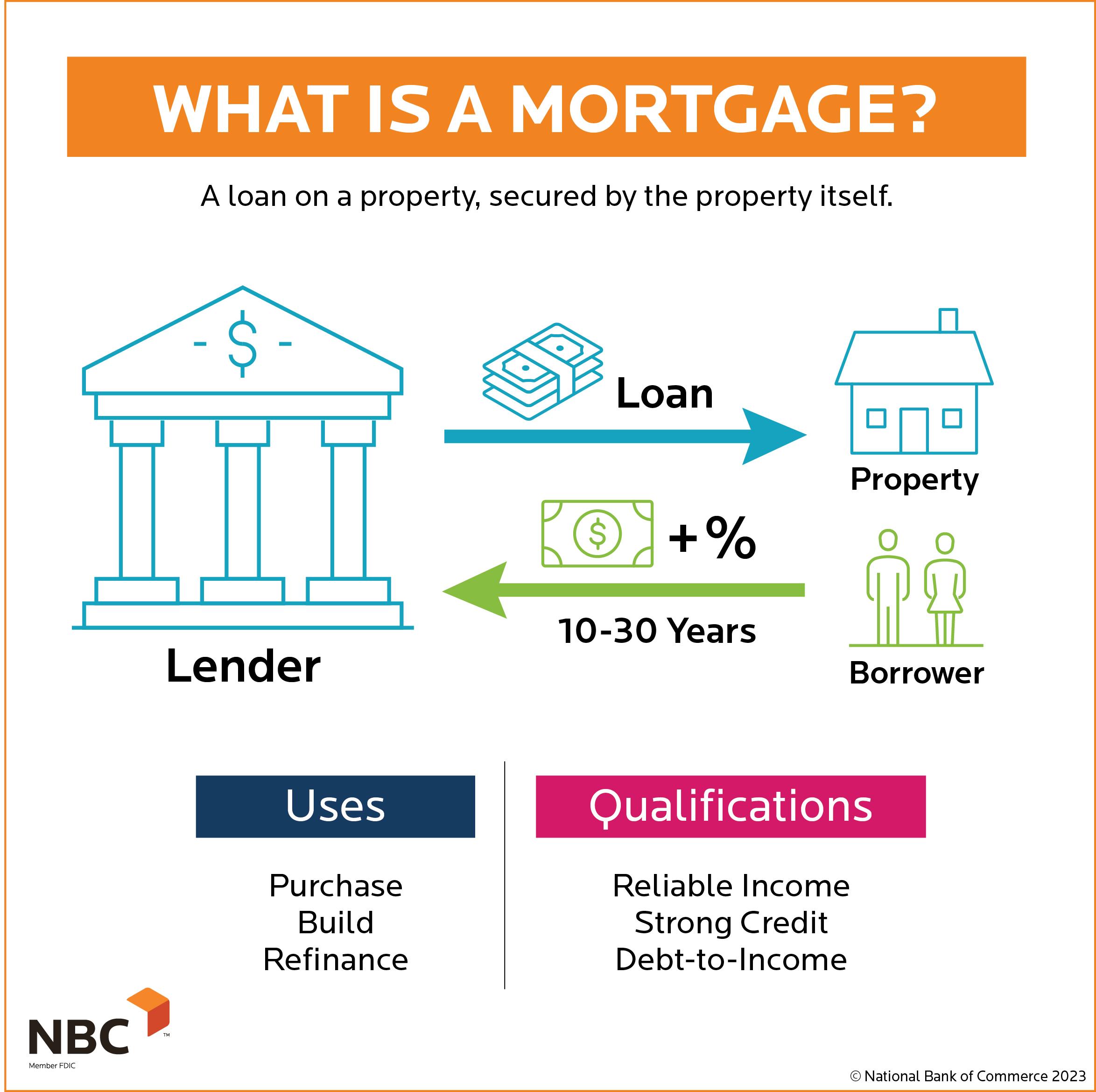
Securing a mortgage for investment properties is a crucial step for real estate investors looking to expand their portfolios and enhance their financial strategies. As the property market continues to evolve, understanding the intricacies of obtaining financing for investment ventures becomes increasingly essential. This article outlines the essential steps involved in securing a mortgage specifically tailored for investment properties. By examining key considerations such as creditworthiness, financial documentation, and market analysis, we aim to equip potential investors with the knowledge needed to navigate the lending landscape effectively. Whether you are a seasoned investor or a newcomer to the market, these steps will serve as a thorough guide to making informed decisions and achieving successful investment outcomes.
Table of Contents
- Understanding Mortgage Types for Investment Properties
- Evaluating Financial Readiness and Investment Goals
- Navigating the Pre-Approval Process for Optimal Terms
- Effective Strategies for Comparing Lenders and Securing financing
- In Conclusion
Understanding Mortgage Types for Investment Properties
When considering a mortgage for an investment property, it’s essential to understand the various types of mortgages available.Each type has distinct features, benefits, and requirements that can significantly impact the overall investment strategy. The most common mortgage types include:
- Conventional Loans: These are not backed by the government and typically require a higher credit score along with a substantial down payment.
- FHA Loans: While primarily for primary residences, some investors may qualify for FHA loans, which require lower down payments but come with strict occupancy requirements.
- Portfolio Loans: Offered by individual lenders,these loans can be tailored to meet unique investment needs and may not adhere to customary underwriting guidelines.
- Hard Money Loans: Short-term loans based on property value rather than borrower credit, ideal for speedy funding but with higher interest rates.
- Cash-out Refinancing: Allows investors to access equity in existing properties to fund new investments, leveraging current assets.
Each mortgage option comes with its own set of terms and conditions. As a notable example, many conventional loans for investment properties require a down payment of at least 20%, which can restrict entry for some investors. On the other hand, hard money loans usually involve minimal paperwork and provide fast access to cash, yet they come with the caveat of higher interest rates. Understanding the key differences can help investors align their financing options with their long-term investment goals. Here’s a quick comparison:
| Mortgage Type | Down payment | Credit Score Requirement | loan Term |
|---|---|---|---|
| Conventional Loans | 20%+ | 680+ | 15-30 years |
| FHA Loans | 3.5% | 580+ | 15-30 years |
| Hard Money Loans | 20-30% | Variable | 1-5 years |
| Cash-Out refinancing | Typically 20% | 620+ | 15-30 years |
Evaluating Financial Readiness and Investment Goals
Before diving into the mortgage process, assessing your financial position is crucial. Begin by evaluating your income, savings, and existing debts, as these factors will influence your mortgage eligibility.Consider the following components to gauge your financial readiness:
- Credit Score: A higher credit score frequently enough results in better mortgage terms.
- Debt-to-Income Ratio: Lenders typically prefer a ratio below 43%.
- Emergency Funds: Ensure you have enough savings set aside for unexpected expenses.
Next, clarify your investment goals, as they will determine the type of properties to target and the mortgage products you should consider. reflect on the following questions to solidify your investment strategy:
- Property Type: What type of investment properties interest you—single-family homes, multi-family units, or commercial spaces?
- Investment Horizon: Are you looking for short-term gains or long-term gratitude?
- Cash Flow Expectations: How much monthly income do you expect from your investment?
Navigating the Pre-Approval Process for Optimal Terms
Securing a favorable mortgage starts with understanding the pre-approval process, a crucial step that can influence the terms of your loan. By gathering essential documentation and effectively communicating your financial position, you can enhance your bargaining power with lenders. Key documents to compile include:
- Proof of Income: Recent pay stubs, tax returns, and W-2 forms.
- Credit report: An overview of your credit history,including any discrepancies you may need to address.
- Asset Statements: Documentation of your savings and investment accounts.
Once your documents are prepared, approach multiple lenders to compare pre-approval offers. This ensures you have a clear understanding of the interest rates and terms available, and it could provide leverage to negotiate more favorable conditions. Here’s a simple breakdown of what to consider when evaluating pre-approval options:
| Lender | Interest rate | Loan Term | Estimated Closing Costs |
|---|---|---|---|
| Lender A | 3.5% | 30 years | $3,000 |
| Lender B | 3.75% | 30 years | $2,500 |
| Lender C | 3.25% | 15 years | $4,000 |
effective Strategies for Comparing Lenders and Securing Financing
When assessing lenders for your mortgage needs, it’s crucial to gather and evaluate multiple quotes. Begin by identifying your criteria: consider factors like interest rates, loan terms, and fees.Then, make a comparative analysis using a spreadsheet or table to clearly visualize differences. Highlighting key attributes will help you make informed decisions:
| Lender | Interest Rate | Loan Term | Fees |
|---|---|---|---|
| Lender A | 3.5% | 30 Years | $1,000 |
| Lender B | 3.7% | 30 Years | $800 |
| Lender C | 3.6% | 15 Years | $1,500 |
Once you have your comparisons in place, dig deeper into each lender’s reputation and customer service. Online reviews and ratings can be invaluable in assessing borrower experiences. Pay attention to responsiveness, transparency, and overall customer satisfaction.Additionally, don’t hesitate to reach out directly to the lenders for any clarifications on their policies or loan products; engaging in dialog can sometimes yield additional benefits such as lowered fees or more favorable terms.
to sum up
securing a mortgage for investment properties is a multifaceted process that requires careful consideration and thorough readiness. by understanding your financial situation, researching lenders, and comparing mortgage options, you can make informed decisions that align with your investment goals. Additionally, maintaining a strong credit profile and being prepared with the necessary documentation can significantly improve your chances of obtaining favorable financing. With these essential steps in mind, you can navigate the complexities of the mortgage market with confidence, setting the foundation for successful real estate investments. As the landscape of property investment continues to evolve, staying informed and adaptable will be key to achieving long-term success in this competitive arena.