

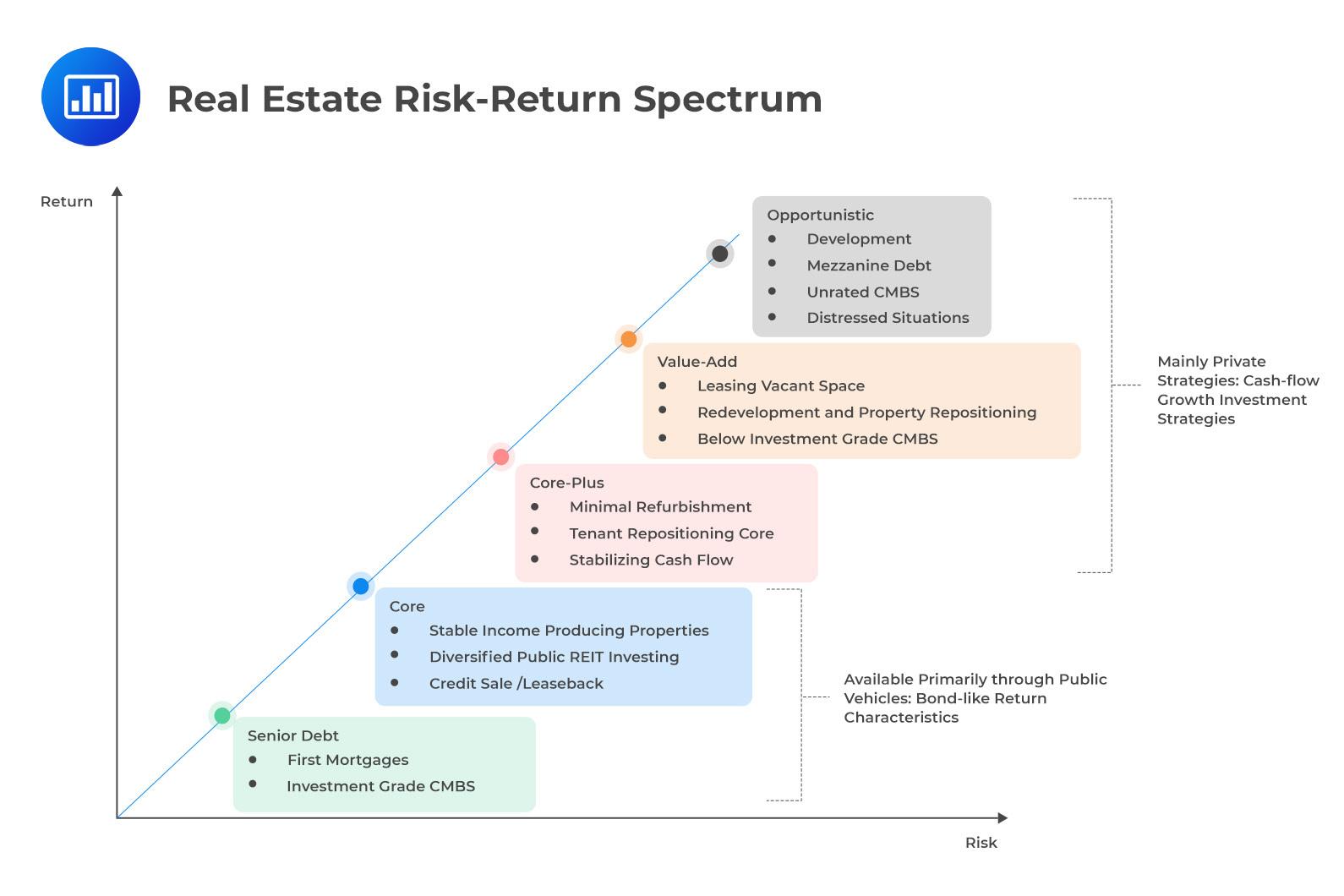
In an era where conventional retirement plans are evolving, real estate emerges as a compelling avenue for securing financial stability in retirement. As individuals seek to create lasting income streams beyond conventional savings and pension plans, leveraging smart real estate strategies can offer a robust framework for wealth accumulation and preservation. This article explores innovative approaches to real estate investment that not only safeguard assets but also generate passive income, providing retirees with the financial freedom to enjoy their later years without the stress of economic uncertainty. From residential rental properties to real estate investment trusts (REITs) and beyond,we will delve into actionable strategies and key considerations for retirees aiming to maximize their real estate portfolios. Join us as we examine how informed real estate decisions can pave the way for a secure and prosperous retirement.
Table of Contents
- Identifying High-return Real Estate Investment Opportunities
- Leveraging Technology for Enhanced Property Management
- Strategic financing Options for Long-Term Wealth Building
- Navigating Tax Implications and Benefits of Real Estate Investments
- Insights and Conclusions
Identifying High-Return Real Estate Investment Opportunities
Investors seeking high returns in real estate should focus on key metrics and trends that reveal profitable opportunities.Start by analyzing location, as this is the foundation of real estate value. Cities with growing infrastructure, job opportunities, and favorable economic conditions often yield better returns. Consider targeting emerging neighborhoods that show signs of advancement but have yet to reach their peak. Additionally, evaluate the potential for rental income by assessing local demand for housing and current rental rates. Tools like online property databases can assist in uncovering these insights,making research more efficient.
along with location, another factor to consider is the property type. Options such as multi-family residences or properties that allow short-term rentals can provide higher returns compared to traditional single-family homes. Engage in thorough market research to identify trends affecting these sectors. furthermore, conduct a comparative market analysis (CMA) to understand how similar properties are performing in the area. This can include:
- Average rental prices in the vicinity
- Annual appreciation rates of properties
- Local vacancy rates
- Future development plans in the area
| Property Type | potential ROI (%) | Considerations |
|---|---|---|
| Single-Family Homes | 3-5 | Lower demand in competitive markets |
| Multi-Family Units | 7-10 | Higher demand; requires management |
| Short-Term Rentals | 10-15 | Seasonality and local regulations |
Leveraging Technology for Enhanced Property Management
In the modern landscape of real estate, integrating technology into property management can lead to notable improvements in efficiency and effectiveness. By adopting cloud-based management systems, property owners can enjoy centralized control over multiple aspects of their properties, including leasing, maintenance requests, and financial reporting. Notably, these platforms can facilitate real-time communication between landlords and tenants, ensuring that concerns are addressed promptly and enhancing tenant satisfaction.additionally, utilizing automated workflows can drastically reduce administrative burdens, allowing property managers to focus on strategic initiatives rather than day-to-day minutiae.
Moreover, leveraging analytics tools enables property managers to make data-driven decisions that can optimize financial performance. By analyzing occupancy rates, rental trends, and tenant demographics, managers can precisely tailor their marketing strategies to attract the right clients while proactively identifying opportunities for advancement. The introduction of smart building technologies, like IoT sensors and energy management systems, not only enhances operational efficiency but also provides a sustainable competitive edge in the market. As such, the union of innovative technologies and strategic property management practices sets the stage for achieving a secure and prosperous retirement through intelligently curated real estate investments.
Strategic Financing Options for Long-Term Wealth Building
When considering financing options for real estate investments, itS essential to adopt a multifaceted approach that aligns with long-term financial goals. Utilizing strategies like leveraging equity, investors can access funds from existing properties to finance new acquisitions, which enhances overall portfolio growth. additionally, exploring options such as owner financing or partnering with other investors can significantly reduce upfront capital requirements while spreading risk.
Another effective avenue for wealth building is through tax-advantaged investments like self-directed IRAs or 401(k) plans, which permit property investment and appreciation without immediate tax liabilities. To further optimize your real estate investments, consider the different financing methods available:
- Conventional Mortgages: Standard loans from banks or credit unions.
- Hard money loans: Short-term loans secured by real estate, typically with higher interest rates.
- Real Estate Investment Trusts (REITs): Allow individuals to invest in real estate without direct ownership.
Implementing these financing strategies can not only enhance cash flow but also position investors for ample equity growth over time. Careful planning, consistent market analysis, and strategic decision-making will facilitate a secure and fulfilling retirement.
Navigating Tax Implications and Benefits of Real Estate Investments
One of the most compelling reasons to consider real estate as part of your retirement strategy is the potential for significant tax advantages. When you invest in real estate, you can benefit from depreciation, which allows you to deduct a portion of the property’s value from your taxable income each year.This can significantly lower your overall tax burden. Additionally, if you sell a property at a profit, 1031 exchanges enable you to defer capital gains taxes by reinvesting the proceeds into a similar property.Other deductions, such as mortgage interest, property taxes, and even some renovation costs, can further enhance your financial position.
Investors should also be mindful of how rental income is taxed, which typically falls under ordinary income tax rates. However, utilizing tax strategies effectively can reduce this liability. Consider the following tips to maximize your benefits:
- Keep meticulous records of all expenses,from maintenance to utilities,as these can be deducted.
- Consult with a tax professional to understand state-specific laws and opportunities.
- Explore retirement accounts that allow real estate holdings, such as a Self-Directed IRA, to defer taxes on gains untill retirement.
Insights and Conclusions
Conclusion: Navigating Your Path to a Secure Retirement Through Smart Real Estate Investments
In the ever-evolving landscape of financial planning for retirement, integrating strategic real estate investments can serve as a powerful tool to enhance stability and security.By understanding market trends, diversifying property types, and leveraging financing options, retirees can create a robust portfolio that not only provides passive income but also appreciates over time.
As we have explored, the key to prosperous real estate investment lies in careful research, a disciplined approach, and the willingness to adapt to market dynamics. Whether you choose to invest in rental properties, REITs, or resort developments, the principles of due diligence and strategic planning remain paramount.
Ultimately, the journey toward a secure retirement is built on informed decision-making and a proactive stance towards investment opportunities. As you move forward, consider implementing these smart strategies to enhance your financial well-being and enjoy the retirement lifestyle you envision. With the right approach, real estate can be more than just a place to live; it can be a cornerstone of your financial future.
Your retirement dreams are within reach—equip yourself with the knowledge and insights needed to make real estate work for you.