

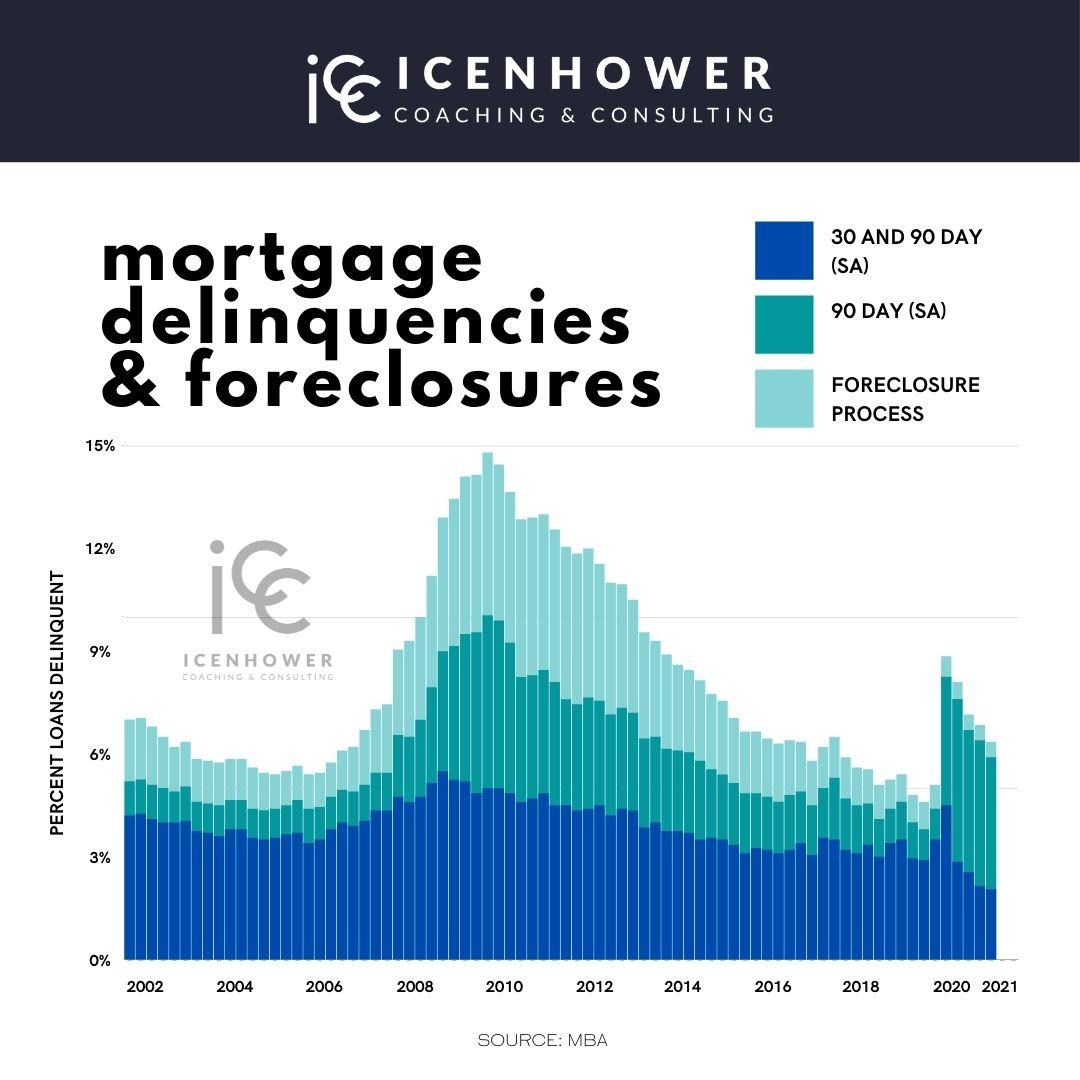
In the complex landscape of the housing market, mortgage delinquency rates serve as critical indicators of economic health and consumer financial stability. This article delves into the regional patterns of mortgage delinquency,examining the myriad factors that contribute to variations across different geographic locales. By leveraging complete data and employing elegant analytical techniques, we will identify prevailing trends, uncover underlying causes, and assess the implications of these disparities on local economies. As we navigate through the intricate web of economic conditions, demographic shifts, and policy impacts that shape mortgage performance, this analysis aims to provide stakeholders—ranging from policymakers to financial institutions—with actionable insights to better understand and address the challenges posed by mortgage delinquency.Through a systematic exploration of regional differences, we illuminate not only the current state of delinquencies but also the potential pathways for intervention and betterment in the housing finance ecosystem.
Table of Contents
- Regional Disparities in Mortgage Delinquency Rates: A comprehensive Overview
- Factors Driving mortgage Delinquency: Economic, Demographic, and Policy Influences
- Strategies for Mitigating Delinquency: Recommendations for Stakeholders and policymakers
- Measuring the Impact of Interventions: Evaluating Success and Identifying Best Practices
- The Conclusion
Regional Disparities in Mortgage Delinquency Rates: A Comprehensive Overview
The landscape of mortgage delinquency rates is marked by meaningful regional disparities that reflect the underlying economic health and demographic factors within various areas. For instance, higher delinquency rates are often observed in regions characterized by unemployment, low income, and declining real estate markets. The following factors contribute to these disparities:
- Employment Opportunities: Areas with a robust job market tend to exhibit lower delinquency rates as residents have a steadier income.
- Housing Affordability: regions where housing costs are aligned with income levels often experience less financial strain on homeowners.
- interest Rates: Varying interest rates across regions can also impact affordability and the likelihood of delinquency.
The table below provides a snapshot of mortgage delinquency rates by region, illustrating these disparities:
| Region | Delinquency Rate (%) | Median Income ($) |
|---|---|---|
| Northeast | 3.5 | 75,000 |
| Midwest | 4.1 | 68,000 |
| South | 5.7 | 60,000 |
| West | 4.3 | 80,000 |
Understanding these regional variations in mortgage delinquency rates is essential for policymakers and lenders alike. By identifying areas with disproportionately high rates, targeted interventions can be developed to assist affected homeowners and stabilize the housing market. Such strategies may include financial education programs, tailored loan modifications, and enhanced support for local employment initiatives, all aiming to mitigate the long-term impacts of delinquency on communities.
Factors Driving Mortgage Delinquency: economic, Demographic, and Policy Influences
The interplay of economic conditions, demographic shifts, and policy changes significantly influences mortgage delinquency rates across various regions. Economic factors include unemployment rates, inflation, and interest rates, which can obstruct borrowers’ ability to maintain regular payments. When economic downturns hit, notably in industries vital to specific regions, a ripple effect can occur, leading to heightened delinquency. Other critical factors encompass income volatility and shifts in housing markets, such as rapid appreciation or depreciation of property values, which can render some homeowners underwater, further exacerbating delinquency rates.
demographic influences also play a crucial role in determining regional delinquency patterns. An increasingly diverse population can present differing levels of financial literacy and access to resources, which may affect how groups manage mortgage obligations. Additionally, shifting family structures, such as a rise in single-parent households, can led to higher financial strain. Moreover, the influence of policy measures, such as changes in lending standards and foreclosure laws, cannot be overlooked.Local and federal policies aimed at providing assistance or foreclosure prevention can either mitigate or worsen delinquency rates, depending on their implementation and effectiveness. The following table summarizes the primary factors affecting mortgage delinquency among different regions:
| Region | Economic Factors | Demographic factors | Policy Measures |
|---|---|---|---|
| Urban | High unemployment rates | Increasing single-parent households | Foreclosure prevention programs |
| Suburban | Low property values | Older population with fixed incomes | Tighter lending regulations |
| Rural | High income volatility | Young families with limited job opportunities | State-level assistance programs |
Strategies for Mitigating Delinquency: recommendations for Stakeholders and Policymakers
Addressing the complexities of mortgage delinquency requires a multifaceted approach that engages various stakeholders. Community organizations can play a pivotal role by offering financial literacy workshops aimed at educating homeowners about budgeting, debt management, and the importance of maintaining a stable mortgage payment history. Additionally, collaborations between local governments and financial institutions can create programs that provide interest rate reductions or forbearance options for homeowners facing temporary financial hardships. Stakeholders should also consider implementing a robust communication strategy to ensure that at-risk borrowers are aware of available resources and support systems.
Policymakers should prioritize the establishment of preventive legislation that addresses the root causes of mortgage delinquency. This could involve creating standards for responsible lending practices, which safeguard against predatory loans that often lead to default. Furthermore,enhancing affordable housing initiatives can alleviate the pressure on low-income families,making homeownership more attainable and sustainable. Coordination with credit counseling services is essential to provide comprehensive support to borrowers. The table below illustrates effective policy initiatives that could aid in reducing delinquency rates:
| Policy Initiative | Description | Expected Outcomes |
|---|---|---|
| Financial literacy Programs | Workshops designed to improve borrowers’ financial management skills. | Increased awareness and improved financial decision-making. |
| Forbearance Options | Temporary relief programs for homeowners in financial distress. | Reduced foreclosures and increased home retention rates. |
| responsible Lending Standards | Regulations ensuring fair lending practices and transparent loan terms. | Lower rates of predatory lending and defaults. |
Measuring the Impact of Interventions: Evaluating Success and Identifying Best Practices
To assess the effectiveness of various interventions aimed at reducing mortgage delinquency rates, it is essential to employ a variety of evaluation methods. These approaches can include quantitative analysis of delinquency data before and after the implementation of targeted strategies—such as financial counseling or loan restructuring. Furthermore, qualitative assessments through surveys or interviews with affected homeowners can provide insights into the personal impact and perceived effectiveness of these programs. By integrating both methods, stakeholders can develop a comprehensive picture of intervention success, ensuring that effective strategies are recognized and replicated.
Identifying best practices requires a careful examination of regional variations in delinquency rates and the specific interventions employed. Key factors that can influence these regional patterns include:
- Economic Stability: Areas with stronger job markets often see lower delinquency rates.
- Access to Resources: Regions with greater availability of financial education and counseling services tend to have better outcomes.
- Policy Support: Local policies that encourage mortgage relief and protection can significantly impact homeowner resilience.
to illustrate these dynamics,the following table summarizes the delinquency rates across various regions,along with the corresponding interventions implemented:
| region | Delinquency Rate (%) | Intervention |
|---|---|---|
| Region A | 4.5 | Financial Counseling |
| Region B | 3.8 | Loan Restructuring |
| Region C | 6.2 | Policy Incentives |
| Region D | 5.0 | Community Workshops |
analyzing these patterns and their corresponding interventions allows for the identification of effective practices tailored to specific regional contexts. By prioritizing areas showing significant improvements, policymakers and organizations can focus their resources on replicating success where the impacts have been most profound.
The Conclusion
the examination of regional patterns in mortgage delinquency rates underscores the complex interplay of economic, demographic, and social factors that contribute to varying levels of financial distress across different areas. The findings highlight the necessity for stakeholders—ranging from policymakers to financial institutions—to adopt a nuanced understanding of these patterns when formulating interventions and policies. By recognizing the unique characteristics and challenges faced by specific regions, targeted strategies can be developed to mitigate the risks of delinquency and support homeowners in distress.
Moreover,continuous monitoring and analysis of these patterns will be essential for preemptively addressing potential crises in areas at higher risk.As we move forward, it is vital to prioritize data-driven approaches that emphasize regional disparities; only then can we foster resilience in housing markets and promote sustainable homeownership across diverse communities. Future research and collaborative efforts will play a crucial role in deepening our understanding of these regional dynamics, paving the way for meaningful solutions that can stabilize the housing landscape in an increasingly volatile economic habitat.