

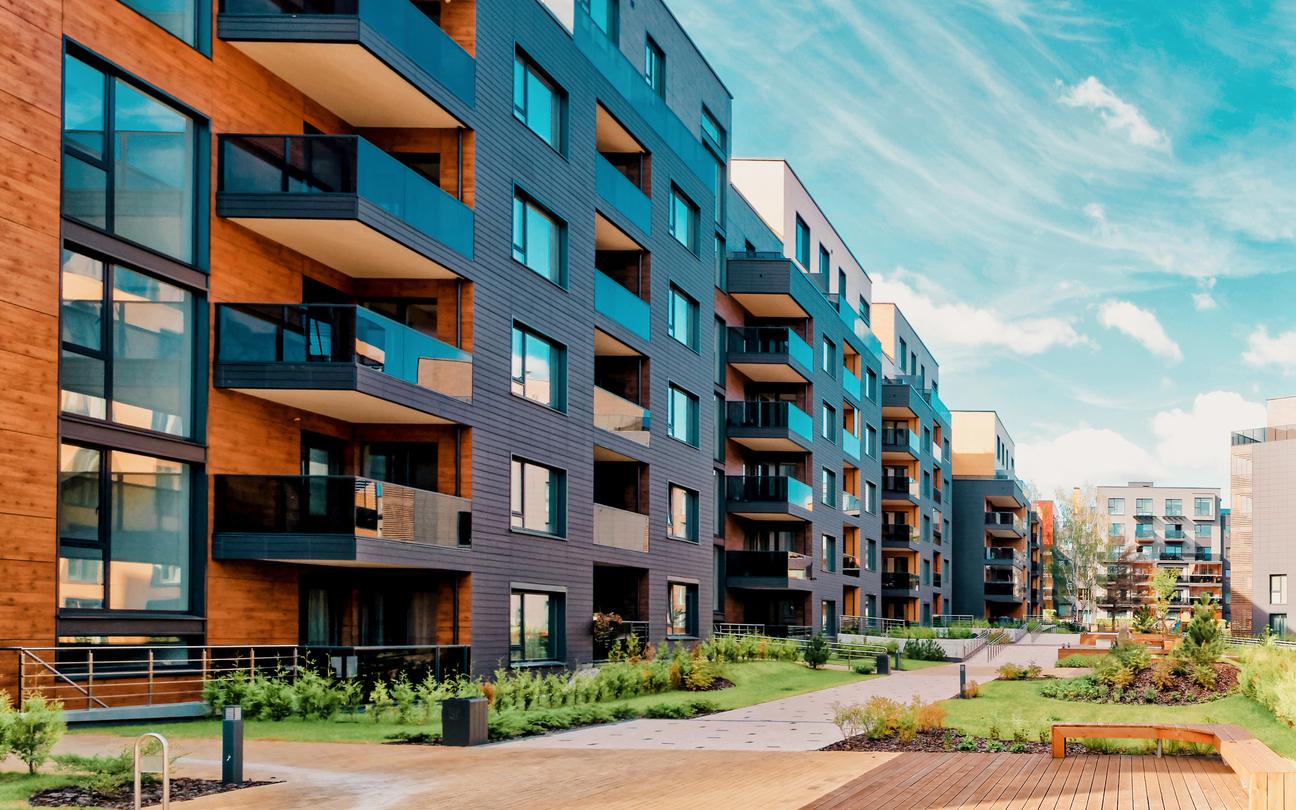
In recent years, urban redevelopment has emerged as a focal point of discussion among policymakers, urban planners, and community advocates alike. As cities grapple with the dual challenges of modernization and sustainability, the approach to transforming neglected or underutilized urban spaces has evolved significantly. This article aims to analyze the current trends in urban redevelopment projects, examining the underlying motivations, methodologies, and socio-economic impacts that characterize contemporary initiatives. From the rise of mixed-use developments and adaptive reuse of historical structures to the integration of green spaces and smart technology, these trends not only reflect a shift in architectural and urban design paradigms but also spotlight the pressing need for inclusivity and resilience in rapidly changing urban environments. By critically evaluating case studies and drawing on expert insights, this analysis seeks to provide a comprehensive understanding of how these trends shape the future of urban landscapes and influence the lives of the residents within them.
Table of Contents
- Evaluating the Social Impacts of Urban Redevelopment Initiatives
- Examining Sustainable Practices in Modern Urban Development
- Identifying Key Economic Drivers Behind Successful Redevelopment Projects
- Fostering Community Engagement in Urban Planning and Redevelopment Processes
- Final Thoughts
Evaluating the Social Impacts of Urban Redevelopment Initiatives
Urban redevelopment initiatives often seek to enhance economic opportunities and revitalization of neighborhoods. However, the social implications of these projects can be profound and multifaceted. Stakeholder engagement is critical, as local communities may experience both positive outcomes, such as improved infrastructure and increased property values, alongside detrimental effects, including displacement and loss of cultural identity. It is essential to assess how new developments can foster community cohesion or create divides, ensuring that the voices of long-standing residents are prioritized throughout the planning and execution phases.
A comprehensive evaluation involves examining various data points and community feedback to gauge the social impacts of redevelopment projects. Consider the following factors in your analysis:
- Displacement metrics: The percentage of residents who have been forced to relocate.
- Access to services: Changes in access to education, healthcare, and public transit for local populations.
- Economic opportunity: Job creation versus job loss within the community.
- Cultural preservation: Efforts made to retain local heritage and traditions amidst redevelopment.
| Social Impact Factor | Positive Outcome | Negative Outcome |
|---|---|---|
| Community Cohesion | Increased social engagement | Segregation of groups |
| Economic Effects | Job creation | Displacement of local businesses |
| Infrastructure Development | Improved transportation access | Increased traffic congestion |
| Cultural Impact | Revitalization of public spaces | Erosion of local culture |
Examining Sustainable Practices in Modern Urban Development
As cities continue to evolve, the integration of sustainable practices into urban redevelopment projects has become a focal point for planners and architects alike. Modern urban revival initiatives prioritize environmental benefits, economic viability, and social equity, striving for a balance that fosters resilience within urban communities. Key aspects of these practices include:
- Green Infrastructure: Employing green roofs, permeable pavements, and urban forests to enhance biodiversity and manage stormwater.
- Energy Efficiency: Designing buildings that optimize natural light and utilize renewable energy sources, reducing reliance on fossil fuels.
- Walkable Communities: Creating pedestrian-friendly spaces that encourage public transport use and lower carbon footprints.
Furthermore, collaboration between stakeholders is essential for the successful implementation of these sustainable measures. Investment in community engagement ensures that redevelopment projects reflect the needs and desires of local residents. The following table illustrates a few notable examples of sustainable urban redevelopment projects currently setting the trend:
| Project Name | Location | Key Features |
|---|---|---|
| High Line | New York City, USA | Linear park, native plants, reduced urban heat |
| Dockside Green | Victoria, Canada | Green roofs, greywater recycling, mixed-use spaces |
| Sidewalk Toronto | Toronto, Canada | Sustainable technology, community participation, smart infrastructure |
Identifying Key Economic Drivers Behind Successful Redevelopment Projects
Understanding the economic factors that contribute to successful urban redevelopment is crucial for stakeholders involved in these transformative projects. Key drivers include local government policies that incentivize redevelopment through tax breaks and grants, fostering an environment conducive to investment. The presence of infrastructure improvements, such as enhanced transportation systems or utilities, also facilitates the growth potential of an area, making it more attractive for both businesses and residents. Furthermore, the demographic shifts within communities, characterized by an increase in population density or changes in consumer preferences, can drive demand for specific types of developments, influencing project viability and outcomes.
Another significant element is community engagement, ensuring that redevelopment projects align with the needs and desires of local residents. This participatory approach can lead to more sustainable outcomes, as projects that reflect community input are often seen as more valuable. In addition, incorporating sustainable practices can enhance both economic performance and public perception. Below is a summary of primary economic indicators that contribute to successful redevelopment:
| Indicator | Description |
|---|---|
| Investment Attraction | Ability to draw private funding through incentives and infrastructure. |
| Job Creation | Increase in employment opportunities within the redevelopment area. |
| Property Value Appreciation | Rise in property values as a result of successful redevelopment. |
| Community Satisfaction | Measurable public approval and support for new projects. |
Fostering Community Engagement in Urban Planning and Redevelopment Processes
Successful urban planning and redevelopment hinge on effective community engagement strategies that resonate with the residents’ needs and aspirations. By actively involving community members in the initial phases of planning, cities can foster a sense of ownership and responsibility among residents, directly impacting the acceptance and success of projects. Key approaches to enhance community participation include:
- Workshops and Public Meetings: Organized sessions that invite feedback and encourage dialogue.
- Online Platforms: Utilization of digital tools and social media for broader outreach and engagement.
- Collaborative Design Initiatives: Co-creation activities that allow community members to contribute ideas and solutions.
Additionally, understanding the demographics and socio-economic backgrounds of communities plays a crucial role in tailoring engagement strategies. Utilizing data-driven approaches can help planners identify specific community interests, which in turn influences project outcomes. The following table summarizes effective engagement techniques aligned with demographic factors:
| Demographic Factor | Engagement Technique | Expected Outcome |
|---|---|---|
| Young Professionals | Social Media Campaigns | Increased participation and awareness |
| Seniors | Community Centers Meetings | Stronger localized feedback |
| Low-Income Residents | Incentivized Feedback Programs | Higher engagement rates and inclusive input |
Final Thoughts
the landscape of urban redevelopment is undergoing significant transformation, driven by a confluence of social, economic, and technological factors. As cities grapple with the challenges of rapid urbanization, climate change, and a shifting demographic profile, the strategies employed in redevelopment projects must evolve to meet the needs of diverse populations while promoting sustainability and resilience.
The current trends—ranging from mixed-use developments and smart city initiatives to prioritizing green spaces and affordable housing—underscore a broader shift toward inclusive urban environments. By fostering collaboration among stakeholders, including local governments, community groups, and private investors, cities can capitalize on these trends to create dynamic urban spaces that not only revitalize neighborhoods but also enhance the quality of life for all residents.
As we continue to analyze these developments, it is imperative that policymakers and urban planners remain attuned to the complexities of urban environments and prioritize long-term visions that consider both immediate benefits and sustainable growth. Moving forward, the successful implementation of redevelopment projects will hinge on a holistic understanding of urban dynamics, innovative approaches to design, and a steadfast commitment to equity and community engagement. In navigating this intricate landscape, we can hope to forge urban futures that reflect not only the aspirations of today but also the needs of generations to come.