

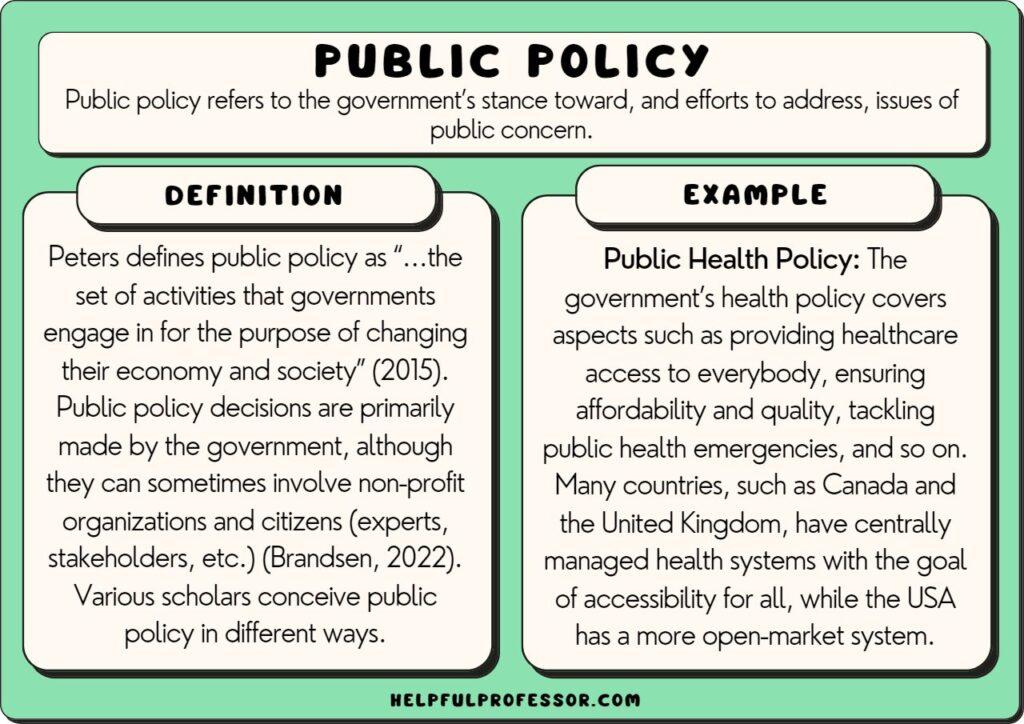
Title: Understanding the Interplay Between Government Policies and Real Estate Market Trends
In the ever-evolving landscape of real estate, market trends can often seem unpredictable. However, from zoning regulations to tax incentives, it’s crucial to recognize that government policies play a pivotal role in shaping the dynamics of this sector. These policies not only influence the supply and demand of properties but also determine the accessibility and affordability of housing for millions of individuals and families. By delving into the complex relationship between governmental decisions and real estate market fluctuations, we can better understand the forces at play that impact both investors and homeowners alike. Join us as we explore the various ways in which legislation, regulations, and public policy initiatives steer the course of real estate trends, and what this means for the future of property investment and urban development.
Table of Contents
- Understanding the Role of Zoning Laws in Shaping Urban Development
- Evaluating Tax Incentives and Their Impact on Housing Affordability
- The Influence of Interest Rates and Monetary Policy on Buyer Behavior
- Mitigating Market Disruptions Through Strategic Government Interventions
- Insights and Conclusions
Understanding the Role of Zoning Laws in Shaping Urban Development
Zoning laws play a crucial role in directing the growth and development of urban areas, significantly influencing the real estate market. These regulations determine how land can be used, defining areas for residential, commercial, industrial, and agricultural activities. By establishing clear guidelines for development, zoning laws help maintain order in urban settings and ensure that new projects align with the community’s long-term vision. Some key aspects of zoning laws include:
- Land Use Designation: Specifying allowed uses for different zones, such as residential or commercial.
- Density Regulations: Controlling the number of units that can be built on a given area.
- Setback Requirements: Dictating the distance structures must be from property lines.
- Height Restrictions: Limiting how tall buildings can be in certain areas.
Moreover, zoning laws also directly impact property values and the types of developments that can occur in a locality. Changes to these regulations can lead to shifts in real estate market trends, either encouraging or discouraging investment in specific areas. For example, when a city expands a commercial zone, it may signal to developers that the area is ripe for growth, which can increase property demand. Additionally, local governments often revisit and revise zoning laws to adapt to evolving community needs, stakeholder interests, and economic conditions. The table below highlights common zoning classifications and their typical characteristics:
| Zoning Classification | Description | Typical Developments |
|---|---|---|
| Residential (R) | Areas meant for housing | Single-family homes, apartments |
| Commercial (C) | For business activities | Shops, offices, restaurants |
| Industrial (I) | Used for manufacturing and production | Factories, warehouses |
| Agricultural (AG) | Land for farming and agriculture | Farms, ranches |
Evaluating Tax Incentives and Their Impact on Housing Affordability
Tax incentives play a crucial role in shaping the landscape of housing affordability. By offering deductions, credits, or exemptions, governments aim to stimulate construction and renovation projects, ultimately increasing the supply of affordable housing. These financial benefits can lead to a reduction in overall housing costs, allowing developers to pass savings onto consumers. However, the effectiveness of these programs often depends on the size and duration of the incentives, as well as the specific demographics they target. When well-implemented, these incentives can foster sustainable community development, but they may also inadvertently encourage speculation and rising property values in certain areas.
Critical evaluation of tax incentives must take into account their long-term implications for the housing market. For instance, a temporary tax break for developers might lead to a short-term surge in housing stock, but without careful monitoring, it could set off a cycle of boom and bust. An analysis of recent programs reveals some striking patterns:
| Incentive Type | Impact on Affordability | Long-term Effect |
|---|---|---|
| Tax Credits for Low-Income Housing | Increases availability of affordable units | Potential stabilization of low-income neighborhoods |
| Property Tax Abatements | Lowers operational costs for landlords | Risk of gentrification in targeted areas |
| First-Time Homebuyer Grants | Enhances buyer purchasing power | May inflate demand and home prices |
Therefore, striking the right balance in policy design and implementation becomes essential. Effective engagement with community stakeholders, along with thorough data analysis, can lead to a more equitable distribution of housing opportunities. Policymakers must remain vigilant in tracking the outcomes of these incentives, ensuring they truly benefit the intended populations while fostering an inclusive real estate market.
The Influence of Interest Rates and Monetary Policy on Buyer Behavior
Interest rates and monetary policy play a pivotal role in shaping buyer behavior in the real estate market. When the central bank adjusts interest rates, it directly affects borrowing costs for potential homebuyers. Lower interest rates typically lead to decreased mortgage payments, making homeownership more accessible. As a result, more buyers enter the market, often leading to increased competition and driving up property prices. Conversely, when rates rise, potential buyers may reconsider their ability to afford a home, leading to a slowdown in demand. This ebb and flow creates a dynamic environment where buyer sentiment can quickly shift based on monetary policy announcements.
The influence of monetary policy extends beyond just immediate borrowing costs; it also shapes overall economic sentiment. When government policies signal a stable or growing economy, consumer confidence increases, prompting buyers to invest in real estate. Key factors that foster this environment include:
- Inflation rates: Low inflation usually accompanies consumer confidence, encouraging investments.
- Employment levels: Higher employment increases disposable income, enabling more potential homebuyers.
- Government incentives: Programs like tax credits for first-time buyers can catalyze market activity.
Understanding these dynamics is crucial for both sellers and buyers. For investors, carefully analyzing the effects of interest rate changes and monetary policies can inform strategic decisions, potentially leading to more lucrative outcomes. The table below highlights key interest rate movements and resulting buyer behavior:
| Year | Interest Rate (%) | Buyer Behavior |
|---|---|---|
| 2018 | 4.5 | Moderate purchasing activity |
| 2019 | 3.9 | Increased buyer interest |
| 2020 | 3.0 | Surge in transactions |
| 2021 | 3.5 | Price acceleration |
Mitigating Market Disruptions Through Strategic Government Interventions
In an ever-evolving economic landscape, government interventions serve as crucial stabilizers during periods of uncertainty. Through a combination of fiscal policies, monetary strategies, and regulatory frameworks, authorities can significantly influence market dynamics to cushion industries, particularly real estate. Some key interventions include:
- Interest Rate Adjustments: Lowering interest rates can stimulate borrowing, making homeownership more accessible and reinforcing demand in the housing market.
- Tax Incentives: Property tax reductions or credits can incentivize investments in real estate developments, fostering growth and expansion.
- Subsidies and Grants: Financial assistance for first-time homebuyers or low-income families promotes inclusivity in the market.
Moreover, strategic interventions can effectively curb market volatility by controlling speculative practices. Regulatory bodies often implement measures such as:
- Rental Price Controls: These can prevent runaway rental costs, ensuring affordability in high-demand areas.
- Building Regulations: Enforcing standards can promote sustainable development and protect buyers from unsafe practices.
- Transparency Initiatives: Policies that require disclosures help stabilize the market by fostering trust amongst buyers and developers.
| Government Intervention | Market Impact |
|---|---|
| Interest Rate Cuts | Enhances affordability for buyers |
| Tax Deductions | Increases investment in real estate |
| Zoning Reforms | Encourages new construction projects |
Insights and Conclusions
the interplay between government policies and real estate market trends is a complex yet fascinating aspect of our economic landscape. As we’ve explored, decisions made at the local, state, and federal levels can have far-reaching implications—shaping everything from housing affordability to urban development patterns. Whether it’s through incentives that encourage sustainable building practices or regulations aimed at controlling speculation, policymakers wield significant influence over the industry.
As investors, homeowners, and real estate professionals navigate this ever-changing terrain, staying informed about policy changes is crucial. By understanding the motivations behind these governmental decisions and anticipating their potential impacts, stakeholders can make more strategic choices that align with both their goals and broader market dynamics.
Ultimately, remaining engaged in the conversation around real estate policy is not just beneficial—it’s essential. With ongoing discussions about housing crises, climate resilience, and urban planning, it’s clear that the relationship between government and real estate will continue to evolve. We encourage readers to keep a pulse on these developments, as they will undoubtedly shape the future of the real estate market for years to come. Thank you for joining us on this exploration of how policies shape our built environment, and we look forward to providing more insights in our future posts.