

Introduction
In the intricate landscape of real estate investment,the judicious use of debt financing emerges as a pivotal strategy for both seasoned investors and newcomers alike. Strategic debt financing encompasses a range of techniques designed to optimize capital structure, enhance cash flow, and leverage investment potential while managing inherent risks. As the real estate market continues to evolve, driven by shifting economic dynamics and fluctuating interest rates, investors must adopt a nuanced understanding of various debt instruments and their implications on investment returns. This article seeks to illuminate the complexities of strategic debt financing techniques, exploring key methodologies such as fixed-rate mortgages, adjustable-rate loans, and mezzanine financing, while also addressing the critical role of credit assessment and market analysis. By equipping real estate professionals with a extensive toolkit for effective debt management, we aim to empower informed decision-making that aligns with long-term growth objectives and market sustainability.
Table of Contents
- Understanding the Role of Leverage in Real Estate Investment Strategies
- Innovative financing Options: Exploring Debt Instruments for multifamily Projects
- Evaluating the Impact of Interest Rate Fluctuations on Debt Financing Decisions
- Best Practices for Structuring Debt to Optimize Cash Flow and Return on Investment
- Wrapping Up
Understanding the Role of Leverage in real Estate Investment Strategies
Leverage plays a pivotal role in real estate investment, allowing investors to amplify their returns while managing risk effectively. By using borrowed capital, investors can purchase properties that might be beyond their immediate cash resources, thus enhancing their investment potential. Key benefits of leveraging include:
- Increased Purchasing Power: With leverage, investors can acquire more valuable properties than they could with cash alone.
- Potential for Higher Returns: When property values rise, leveraged investments can yield considerably greater returns compared to all-cash purchases.
- Tax Advantages: Interest payments on debt may be tax-deductible, effectively lowering the overall cost of borrowing.
However, while leverage can maximize profits, it also introduces a degree of risk that must be carefully managed. Excessive borrowing can lead to cash flow issues, especially during market downturns or periods of high vacancy. To mitigate risks associated with leverage, investors should consider the following techniques:
- Conservative Financing Ratios: Maintaining a lower loan-to-value (LTV) ratio can provide a buffer against market fluctuations.
- Fixed-rate Mortgages: Locking in fixed interest rates helps to stabilize monthly payments against potential rate increases.
- Diverse Income Streams: Investing in multiple properties or asset classes can spread risk and improve overall cash flow stability.
Innovative Financing Options: Exploring Debt Instruments for Multifamily Projects
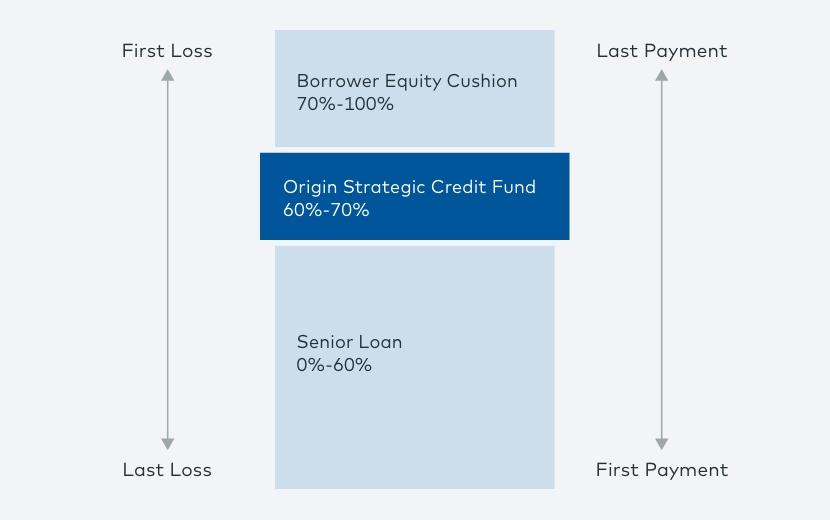
In the evolving landscape of multifamily real estate development, leveraging innovative debt instruments can significantly enhance project viability and returns. Among these,mezzanine financing stands out as a flexible option that bridges gaps between senior debt and equity. This hybrid financing tool allows developers to secure funding without diluting ownership,making it ideal for projects with high growth potential. Additionally, community development financial institutions (CDFIs) offer tailored financing solutions that frequently enough come with favorable rates and terms. Incorporating CDFI financing can not only enhance cash flow but also bolster community investment principles.
Moreover, the advent of real estate crowdfunding platforms presents an choice approach to gather capital for multifamily projects. This method democratizes investment opportunities, allowing multiple investors to contribute small amounts while collectively funding larger developments. The resulting diversity in capital sourcing mitigates risk and increases accessibility. In tandem, green bonds have emerged as a popular choice for environmentally-focused developments, allowing projects to secure lower interest rates while promoting sustainability practices. Below is a comparison of these innovative financing options:
| Financing Option | Key Benefits | Considerations |
|---|---|---|
| Mezzanine Financing | Flexible terms, no equity dilution | Higher risk for lenders, higher costs |
| CDFI Financing | Favorable rates, promotes community growth | Limited availability, regional focus |
| Real Estate Crowdfunding | Diverse investor base, lower initial contributions | Regulatory hurdles, scalability challenges |
| Green Bonds | Lower interest rates, enhances sustainability | Compliance requirements, niche market appeal |
Evaluating the Impact of Interest Rate Fluctuations on Debt Financing Decisions
Interest rate fluctuations can significantly influence the cost of borrowing and, consequently, the debt financing strategies employed by real estate investors. When interest rates are low, property developers may find it more advantageous to leverage existing capital through debt financing to enhance their investment portfolios. This frequently enough leads to an increase in investments as the lower cost of borrowing can improve cash flows and expand purchasing power. Conversely, when interest rates rise, the costs associated with debt increase, prompting investors to reassess their financing options. In such circumstances, they may need to explore alternative financing strategies such as equity financing or using existing assets as collateral to mitigate rising interest expenses.
Understanding how these fluctuations play out can guide investors in making informed decisions. A strategic approach requires careful monitoring of the interest rate surroundings alongside evaluating their own cash flow projections.Key considerations include:
- Timing of financing: Securing loans when rates are low.
- Debt structure: Choosing between fixed-rate and variable-rate loans.
- Refinancing options: Assessing the viability of refinancing existing debt to achieve better terms.
Utilizing these techniques effectively can lead to a more resilient investment strategy.Below is a simple framework to evaluate potential financing scenarios based on interest rate movements:
| Interest Rate Scenario | Recommended Action | Potential Outcome |
|---|---|---|
| Low Rates | Increase leverage | Higher ROI |
| Stable Rates | Maintain financing strategy | Consistent cash flow |
| Rising Rates | Explore refinancing | Minimize debt servicing costs |
best Practices for Structuring Debt to Optimize cash Flow and Return on Investment
To effectively manage debt in real estate investment, it is essential to leverage a combination of fixed and variable interest rate loans. Fixed-rate mortgages provide stability and predictability with consistent monthly payments, making budgeting easier over the long term. On the other hand, variable-rate loans may offer lower initial rates, which can enhance cash flow during the early years of investment. Investors should assess their risk tolerance and market conditions before choosing the right mix. Additionally, refinancing existing loans when favorable rates arise can significantly reduce interest costs, further optimizing cash flow.
Another critical aspect of structuring debt is the alignment of loan terms with the projected cash flow from the property. Utilizing interest-only periods can free up immediate capital for reinvestment or property improvements, enhancing overall return on investment. Regular reviews of debt agreements and exploring options like line of credit or syndicated loans can provide versatility and access to additional financing when opportunities arise. Prioritizing debt repayment strategies that coincide with property performance metrics ensures long-term sustainability and maximizes the effectiveness of your investment portfolio.
Wrapping Up
strategic debt financing serves as a critical lever for real estate investors aiming to optimize their capital structure while managing risk effectively. By understanding the nuances of various financing techniques—such as customary mortgages, mezzanine financing, and preferred equity—investors can tailor their approach to suit specific project needs and market conditions.The prudent application of these techniques not only enhances liquidity and returns but also mitigates the potential for financial distress. As the real estate landscape continues to evolve, staying abreast of innovative financing options and their implications will empower investors to make informed decisions. such strategic foresight can ultimately pave the way for sustained portfolio growth and long-term success in the competitive arena of real estate investment.For those willing to harness the complexities of debt financing, the opportunities are considerable, underscoring the importance of meticulous planning and agile execution in achieving investment objectives.