

In the ever-evolving landscape of real estate, understanding market trends is not just advantageous—it’s essential for success. Whether you’re a seasoned investor or just dipping your toes into the property market, mastering the nuances of market dynamics can spell the difference between profit and loss. This guide delves deep into the intricacies of real estate investing, equipping you with the knowledge and tools needed to navigate current trends with confidence. From deciphering economic indicators to identifying emerging neighborhoods, we aim to empower you with actionable insights that align with your investment goals. Join us as we explore how to stay ahead of the curve and build a robust portfolio in a competitive market. Whether the market is booming or experiencing a downturn, the ability to evaluate and respond to trends will be your most valuable asset on this investment journey.
Table of Contents
- Understanding Market Cycles and Their Impact on Real Estate Decisions
- Identifying Emerging Neighborhoods for Strategic Investments
- Leveraging Technology and Data Analytics to Assess Trends
- Building a Resilient Portfolio: Strategies for Different Market Conditions
- The Conclusion
Understanding Market Cycles and Their Impact on Real Estate Decisions
Market cycles play a pivotal role in shaping real estate investments, dictating both the opportunities and risks for investors. By understanding the different phases—expansion, peak, contraction, and trough—investors can make informed decisions that align with their financial goals. During the expansion phase, demand typically rises, leading to increased property values. Conversely, in the contraction phase, oversupply or diminished demand can trigger price declines and present lucrative buying opportunities for savvy investors. Recognizing these trends allows individuals to time their entries and exits strategically, maximizing potential returns.
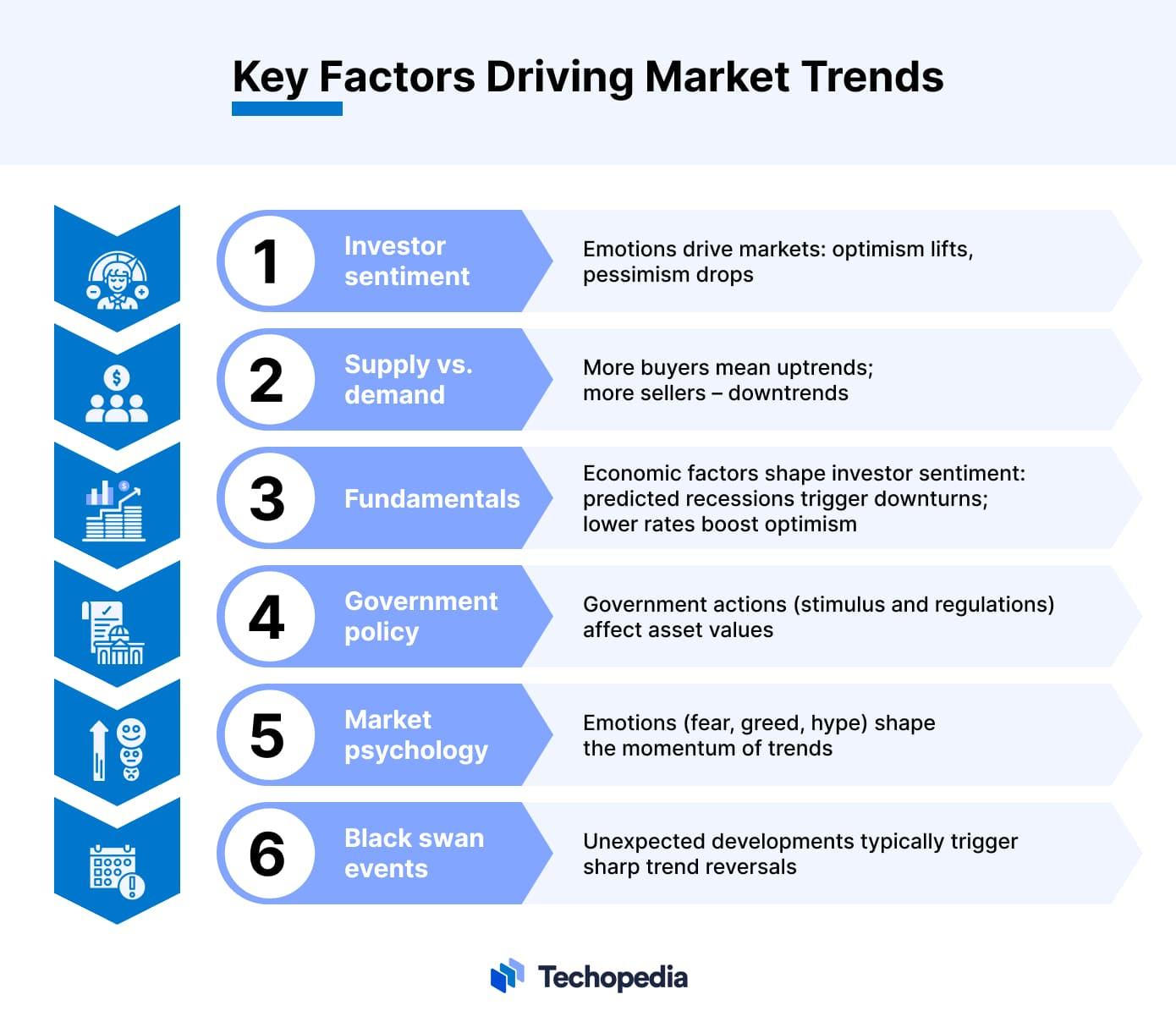
Furthermore, investor sentiment and external influences, such as interest rates and economic indicators, greatly affect market cycles. Consider the following factors that complicate the landscape:
- Interest Rate Fluctuations: Impact borrowing costs, which directly affect home affordability and investment viability.
- Economic Indicators: GDP growth, unemployment rates, and consumer confidence can signal shifts within the market.
- Local vs. National Trends: Markets can behave differently at various geographical levels; local conditions can contradict national averages.
Ultimately, understanding these dynamics can empower investors to navigate the real estate market with increased confidence and strategic foresight.
Identifying Emerging Neighborhoods for Strategic Investments
Investing in real estate requires a keen eye for trends and data analytics, particularly when it comes to pinpointing emerging neighborhoods. Focus on areas showing signs of growth, such as increasing population density and rising property values. Investors should look for neighborhoods where new developments and infrastructure improvements are underway, as these are often indicators of potential long-term appreciation. Additionally, keep an eye on local amenities that are expanding or enhancing the community, such as:
- New schools and educational institutions
- Transportation upgrades
- Healthcare facilities
- Retail and entertainment options
Another effective strategy is to use demographic and economic data to assess neighborhood viability. Tracking factors like income growth, employment opportunities, and housing affordability can provide insights into which neighborhoods are poised for a resurgence. You may also consider creating a table to compare various potential investment areas based on these critical indicators:
| Neighborhood | Population Growth (%) | Average Home Price ($) | Employment Rate (%) |
|---|---|---|---|
| Downtown South | 12 | 350,000 | 95 |
| North End | 10 | 275,000 | 92 |
| Riverside Park | 15 | 450,000 | 89 |
Leveraging Technology and Data Analytics to Assess Trends
In today’s fast-paced real estate market, the ability to utilize technology and data analytics equips investors with the tools necessary to make informed decisions. By harnessing advanced software and platforms, investors can gather and analyze vast amounts of data, providing them with insights into market trends and opportunities. Geospatial analysis and predictive modeling are two key technologies that allow for a deeper understanding of area demographics, property values, and emerging hotspots, ultimately leading to enhanced investment strategies. Moreover, with the integration of artificial intelligence, investors can identify patterns that may not be immediately evident through traditional analysis.
To effectively assess trends, it’s essential to track various indicators that signal market movements. These include:
- Average Days on Market: This measures how long properties are listed before they sell, offering insights into demand.
- Listing Price Trends: Observing changes in listing prices can indicate market shifts.
- Rental Yield Analysis: Understanding rental income potential helps to gauge investment viability.
- Population Growth Rates: Areas with increasing populations often see a corresponding rise in property values.
Investors can also benefit from data visualization tools that present complex data in easily digestible formats. A simple table can effectively illustrate key metrics and trends, enabling investors to draw quick conclusions. Referencing a comparative analysis of properties in a specific location can also provide clarity:
| Property Type | Average Price ($) | Average Days on Market |
|---|---|---|
| Single-Family Homes | 450,000 | 30 |
| Condos | 300,000 | 25 |
| Multi-Family Units | 650,000 | 40 |
Building a Resilient Portfolio: Strategies for Different Market Conditions
Creating a robust investment portfolio requires strategies that can withstand various market conditions. Investors should consider diversifying their assets beyond traditional real estate, such as including REITs (Real Estate Investment Trusts), commercial properties, and residential multifamily units. This approach not only spreads risk but also enhances potential returns. Additionally, incorporating properties in different geographic locations can safeguard against localized economic downturns. By analyzing market trends and property performance, investors can identify sectors poised for growth or resilience even during downturns.
Understanding market cycles is crucial for building a portfolio that thrives in any environment. During a buyer’s market, focus on acquiring undervalued properties, which can be flipped or rented out for future profit. In contrast, a seller’s market may be the best time to divest weaker assets or those with lower yield potential. Implementing the right financing strategies also plays a vital role; consider fixed-rate loans during low-interest rates and adjustable-rate mortgages in a rising market, as these can optimize cash flow. Ultimately, adaptability and ongoing market analysis can lead to sustainable success in real estate investing.
The Conclusion
As we conclude our exploration of mastering market trends in real estate investing, it’s essential to remember that the journey is just as important as the destination. The insights shared in this guide—understanding market cycles, identifying emerging trends, and leveraging data—are crucial tools in your investing arsenal.
Success in real estate is not merely about having the capital; it’s about having the knowledge and foresight to make informed decisions. By staying attuned to market fluctuations and adopting a proactive approach, you can position yourself to seize opportunities that others might overlook.
As the landscape of real estate continues to evolve, so too should your strategies. Embrace continuous learning, network with fellow investors, and remain curious about the nuances of your local market.
Remember, mastering market trends isn’t a one-time endeavor; it’s an ongoing commitment to growth and adaptation. With diligence and the right mindset, you can navigate the complexities of real estate investing and ultimately achieve your financial goals. Here’s to your success in mastering the art of real estate investing!