

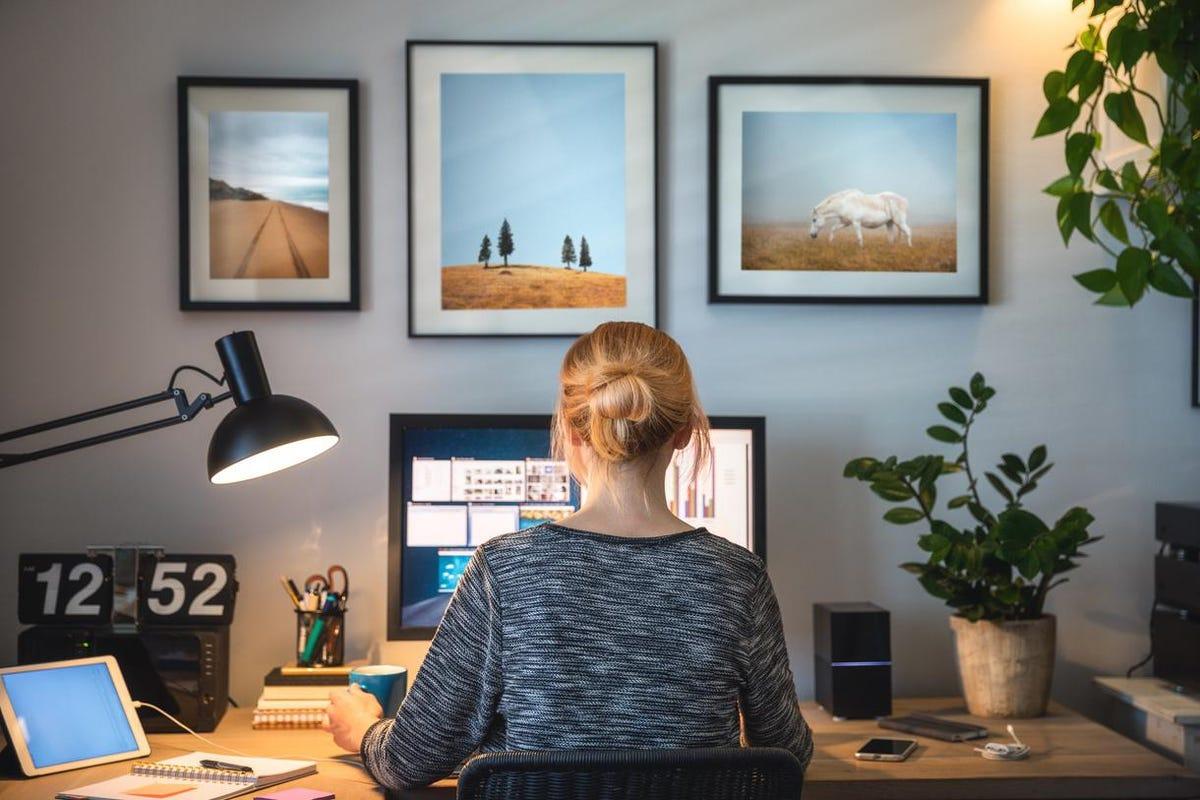
The traditional landscape of real estate is undergoing a seismic shift, one that many of us could not have predicted just a few years ago. The rise of remote work, accelerated by global events and technological advancements, is fundamentally altering where and how people choose to live. No longer tethered to their office locations, professionals are reevaluating their housing needs and desires, leading to changes in property demand across urban, suburban, and rural areas. This article will explore how the remote work revolution is influencing real estate markets today, highlighting emerging trends, the impact on property values, and what implications these changes hold for buyers, investors, and industry professionals alike. Join us as we delve into the evolving relationship between work and home, and discover what the future of real estate might look like in a world defined by flexibility and choice.
Table of Contents
- The Rise of Suburban Living: Embracing Space and Community
- Transforming Office Spaces: Adapting to New Needs and Hybrid Models
- Investment Opportunities: Identifying Hot Markets in the Remote Work Era
- Future Trends: Technologys Role in the Evolving Real Estate Landscape
- Wrapping Up
The Rise of Suburban Living: Embracing Space and Community
The shift toward suburban living is becoming increasingly pronounced, driven largely by the flexibility of remote work. As individuals and families reassess their housing needs in light of newfound freedoms, many are migrating away from crowded urban centers to more spacious, tranquil environments. This trend is characterized by a desire for homes that provide ample square footage, outdoor spaces, and a sense of community that urban life often cannot offer. In fact, surveys show that a significant number of people prioritize the following aspects when considering a move to the suburbs:
- Increased Space: Larger homes with dedicated office areas.
- Access to Nature: Proximity to parks and natural landscapes.
- Community Feel: A stronger sense of belonging and social interaction.
- Lower Cost of Living: More affordable real estate prices compared to urban settings.
This transformation in living preferences is prompting real estate markets in suburban regions to flourish. As demand escalates, property values are appreciating rapidly, leading to a surge in new developments and renovations that cater specifically to evolving consumer desires. Moreover, local businesses and amenities are adapting to this influx, enhancing their offerings to attract both new residents and remote workers. Below is a brief overview of the changing dynamics:
| Aspect | Urban Areas | Suburban Areas |
|---|---|---|
| Population Density | High | Low |
| Average Home Size | Small to Medium | Large |
| Outdoor Space | Limited | Abundant |
| Community Engagement | Varying | High |
Transforming Office Spaces: Adapting to New Needs and Hybrid Models
The shift towards remote work has compelled businesses to rethink how they design and utilize their office spaces. Traditional layouts, often characterized by dense rows of cubicles, are giving way to more dynamic environments that foster collaboration and adaptability. Information shared on a recent survey indicates that many companies are embracing a flexible workspace model that allows for a blend of dedicated desks and collaborative areas. This transition is reflected in various strategies, including:
- Open floor plans that promote interaction among teams
- Hot desking arrangements, allowing employees to choose where they work
- Incorporation of wellness spaces, offering areas for relaxation and rejuvenation
As organizations adapt to the hybrid work environment, the focus on technology integration has also surged. Enhanced infrastructure, such as high-speed internet and smart meeting rooms, is becoming essential for maintaining productivity and engagement in a split office-home work model. Alongside this technological evolution, the landscape of commercial real estate is shifting too, as developers and landlords must respond to changing demands with creative design solutions. A table showcasing the current trends in office space modifications might look like this:
| Trend | Description |
|---|---|
| Outdoor Spaces | Incorporating natural elements for improved employee well-being. |
| Multi-Use Areas | Designing spaces that can serve different functions as needed. |
| Increased Privacy Options | Soundproof rooms for focused work or virtual meetings. |
Investment Opportunities: Identifying Hot Markets in the Remote Work Era
The shift to remote work has not only transformed our daily routines but also created new landscapes in the real estate market. Buyers and investors are looking beyond traditional urban centers, exploring areas that offer a better quality of life and affordable housing options. Some of the emerging hotspots are small towns and cities that provide attractive amenities and accessibility to nature. This trend opens up exciting avenues for investment, as these locations may have previously been overlooked.
To effectively capitalize on this evolving market, it’s crucial to analyze key factors that contribute to a location’s potential. Consider the following criteria when targeting investment opportunities:
- Population Growth: Areas experiencing an influx of residents often indicate rising demand for housing.
- Local Economy: A strong, diverse economy supports job growth and stability, making it an appealing environment for potential buyers.
- Remote Work Infrastructure: High-speed internet access and co-working spaces can enhance a location’s desirability to remote workers.
- Lifestyle Amenities: Access to parks, recreational facilities, and cultural attractions increases a region’s attractiveness.
Potential investors can keep an eye on data-driven insights to remain ahead of the curve. The table below highlights some of the top emerging markets for real estate investment in the remote work era:
| City | Population Growth Rate | Median Home Price | Internet Speed (Mbps) |
|---|---|---|---|
| Austin, TX | 3.5% | $500,000 | 175 |
| Boise, ID | 4.0% | $450,000 | 150 |
| Raleigh, NC | 2.9% | $400,000 | 160 |
| Savannah, GA | 3.1% | $350,000 | 100 |
Future Trends: Technologys Role in the Evolving Real Estate Landscape
As the landscape of real estate continues to evolve, technology is playing a transformative role in shaping market dynamics. The shift towards remote work has prompted buyers and investors to rethink their priorities, leading to an increased demand for properties that accommodate flexible living arrangements. Now more than ever, features such as home office spaces, fast internet connectivity, and smart home technologies are becoming essential in attracting potential buyers. With the adoption of virtual reality and augmented reality, properties can be showcased in innovative ways, allowing prospective buyers to take immersive virtual tours from the comfort of their homes. This advancement not only saves time but also broadens the reach of listings, making it easier for sellers to connect with global buyers.
The rise of tech-driven solutions is also evident in the increasing use of data analytics, which helps real estate agents and investors gain insights into market trends and consumer preferences. These tools can predict shifts in demand based on factors like remote work patterns and lifestyle changes. Some emerging trends to watch for include:
- Co-living Spaces: A growing preference for shared living environments designed for remote workers.
- Green and Sustainable Buildings: Rising emphasis on eco-friendly features as buyers prioritize sustainability.
- Adaptive Reuse of Spaces: Converting commercial properties into residential units to meet shifting demands.
To further illustrate these trends, consider the following table that highlights the impact of remote work on buyer preferences within various real estate markets:
| Feature | Importance Level (1-5) |
|---|---|
| Home Office Space | 5 |
| Outdoor Areas | 4 |
| Proximity to Urban Centers | 3 |
| Access to Technology (Wi-Fi, Smart Features) | 4 |
| Community Amenities (Parks, Fitness Centers) | 3 |
As real estate professionals adapt to these trends, the integration of advanced technologies and a keen understanding of evolving buyer preferences will be critical for capturing opportunities in this changing market landscape.
Wrapping Up
As we navigate the evolving landscape of remote work, it’s clear that the implications stretch far beyond the home office. The transformation of real estate markets is witnessing unprecedented shifts as individuals and companies reassess their priorities, leading to a dynamic interplay between demand, location, and the nature of work itself.
From suburban land booms to the reimagining of urban spaces, stakeholders across the industry must stay nimble and responsive to these changing tides. The trends we’ve observed are not merely passing fads; they signal a fundamental rethinking of what our living and working environments should look like in the future.
As we move forward, it’s crucial for buyers, investors, and real estate professionals to keep a pulse on these developments. Embracing flexibility, prioritizing community, and understanding the nuances of remote work culture will be key to thriving in this new normal.
Thank you for joining us on this exploration of how remote work is reshaping our real estate markets. We hope this article has provided valuable insights that inspire you to adapt and innovate in your own real estate endeavors. Stay tuned for more discussions on emerging trends that affect our spaces and lifestyles in this rapidly changing world.