

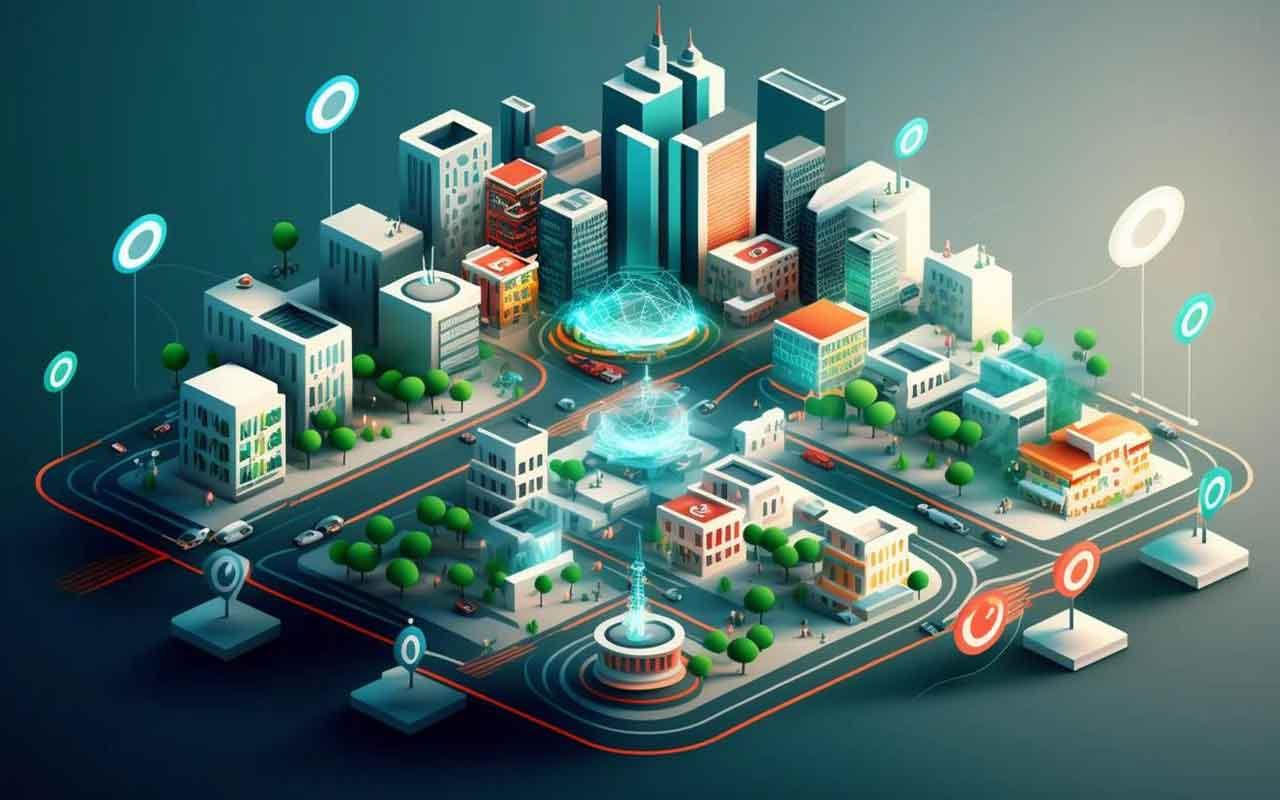
In an era marked by rapid technological advancement and urbanization, the real estate landscape is undergoing a profound transformation, driven by the emergence of smart cities. These urban environments leverage cutting-edge technologies to enhance the quality of life for residents, optimize resource management, and drive economic growth. As cities worldwide embrace this innovative approach, the intersection of real estate and smart city progress presents new opportunities and challenges for industry stakeholders. This article explores the future of real estate in the context of smart cities,examining how integrated technologies,enduring practices,and data-driven decision-making are reshaping the way we design,build,and interact wiht our urban environments. From redefining residential communities to revolutionizing commercial spaces, the transition towards smart cities is not merely a trend but a necessity that will dictate the dynamics of real estate for years to come.As we navigate this transformation, understanding the implications for investors, developers, and inhabitants alike will be critical in harnessing the potential of smart cities to create more livable, efficient, and resilient urban spaces.
Table of Contents
- Innovative Technologies Driving Smart City Development
- Integrating sustainable Practices in Urban Real Estate
- Enhancing Connectivity and Mobility in Smart Environments
- Strategic Investment Opportunities for Real Estate Stakeholders
- Closing Remarks
Innovative Technologies Driving Smart City Development
As urban centers continue to grow, the integration of innovative technologies is essential for creating more efficient and livable environments. Smart city infrastructure harnesses the power of emerging technologies such as IoT (Internet of things), artificial intelligence, and big data analytics to enhance urban planning and management. These advancements facilitate real-time monitoring and decision-making, leading to improved resource allocation, energy efficiency, and sustainability. Key technologies driving this revolution include:
- Smart Sensors: Used for traffic management, air quality monitoring, and waste management.
- Autonomous Vehicles: Enhancing public transport and reducing traffic congestion.
- Data Analytics Platforms: Analyzing urban data to optimize city services and enhance citizen engagement.
The intersection of technology and urban development also fosters improved real estate dynamics. Developers are increasingly leveraging smart technologies to create properties that not only meet modern consumer expectations but also promote a greener lifestyle. Innovations such as smart home systems, energy-efficient building materials, and integrated renewable energy solutions are becoming staples in new developments. this shift is reflected in market trends, where sustainable practices and smart amenities enhance property value. A snapshot of benefits includes:
| benefit | Description |
|---|---|
| Increased Property Value | Smart features elevate market demand and resale potential. |
| Enhanced Living Experience | Interconnected devices offer convenience and personalization. |
| Cost Savings | Energy-efficient systems reduce utility expenses. |
Integrating Sustainable Practices in Urban Real Estate
In the evolution of urban real estate,integrating sustainable practices is not just a trend but a necessity. By adopting green building standards and environmentally pleasant materials, developers can substantially reduce the negative impact on our ecosystems. This shift not only addresses climate change but also enhances the livability of urban areas. Key strategies include:
- Utilizing renewable energy sources: Solar panels and wind turbines can power buildings with minimal carbon footprint.
- Implementing energy-efficient systems: Smart HVAC systems and LED lighting can substantially lower energy consumption.
- Enhancing water conservation: Systems like greywater recycling and rainwater harvesting contribute to sustainability.
- Promoting green spaces: Incorporating parks and gardens within urban developments improves air quality and biodiversity.
To measure the success of these initiatives, cities can utilize a thorough set of sustainability indicators to track progress.These metrics can help developers and urban planners make informed decisions that align with the long-term goals of smart city frameworks.
| Indicators | Description | benefits |
|---|---|---|
| Carbon Footprint | Measure of total greenhouse gas emissions | Indicates progress in reducing emissions |
| Energy Consumption | tracking energy use across developments | Identifies efficiency improvements |
| Water Usage | Assessment of water conservation efforts | Ensures sustainable water management |
| Green Space Ratio | Proportion of green areas in urban settings | Supports biodiversity and improves health |
Enhancing Connectivity and Mobility in Smart Environments
In the rapidly evolving landscape of smart cities, enhancing connectivity and mobility is paramount to fostering a vibrant urban ecosystem. The integration of Internet of Things (IoT) devices, along with advanced data analytics, is paving the way for seamless interactions between residents and city infrastructure. Smart mobility solutions, such as real-time public transport tracking and autonomous vehicle accessibility, are transforming the way people navigate their surroundings, ultimately reducing congestion and lowering emissions. These advancements create a multipronged transportation framework that promotes efficiency and sustainability across urban environments.
This transformation hinges on establishing a robust framework of interconnected systems that prioritize user experience and environmental sustainability. Key elements include:
- Smart Traffic Management: Utilizing AI to optimize traffic flow and minimize delays.
- Integrated Mobility Platforms: Offering a single application for various transport modes, from bikes to buses.
- Wireless Infrastructure: Leveraging 5G technology to facilitate faster data sharing and improved communication.
To measure the impact of these innovations, cities are employing advanced metrics and performance indicators that reflect their mobility and connectivity status. Below is a concise overview of essential metrics used to gauge the effectiveness of these enhancements:
| Metric | Description |
|---|---|
| Average Commute Time | Time taken for residents to travel from home to work. |
| Public Transport Utilization | Percentage of the population using public transport systems. |
| Congestion Level Index | Measure of traffic congestion throughout various times of day. |
| Air Quality Index | Measurement of urban air pollution levels. |
Together,these metrics illuminate the pathways toward creating a truly connected and efficient urban surroundings,ensuring that the future of real estate aligns with our evolving mobility needs.
Strategic Investment Opportunities for Real Estate Stakeholders
As the global landscape shifts towards urbanization, investment in smart cities represents a critical avenue for real estate stakeholders seeking growth and sustainability. Strategic initiatives in these urban environments include the integration of technology and infrastructure improvements that enhance livability and efficiency. The following areas offer promising investment opportunities:
- Smart Infrastructure: Investing in IoT-enabled infrastructure, such as smart grids and energy-efficient buildings, can yield substantial long-term returns.
- Transportation Innovation: Developing properties near multimodal transit hubs ensures accessibility and attracts residents and businesses alike.
- Data-Driven Real Estate: Leveraging big data analytics to inform investment decisions allows stakeholders to anticipate market trends and optimize property management.
Additionally, understanding consumer preferences in smart cities is crucial for maximizing investment impact. Stakeholders should focus on the following elements to create value and drive demand:
| Element | Investment Focus |
|---|---|
| Green Spaces | Urban parks and recreational areas increase property desirability and enhance community well-being. |
| Connectivity | High-speed internet access and digital services are essential for attracting tech-savvy residents. |
| Sustainable Living | Incorporating eco-friendly design and technologies aligns with shifting consumer values towards sustainability. |
Closing Remarks
As we look to the future, the convergence of technology and urban planning promises to redefine the real estate landscape for generations to come.smart cities are not just an innovative concept; they represent a significant shift in how we interact with our environments, manage resources, and create sustainable communities. By leveraging advancements in IoT, renewable energy, and data analytics, stakeholders across the real estate sector can enhance operational efficiency, foster inclusivity, and deliver exceptional value to residents and investors alike.
Embracing this transformation is not merely an option; it is a necessity in an ever-evolving market.As cities become more interconnected,the role of real estate professionals will expand beyond traditional boundaries,requiring a keen understanding of technology,sustainability,and community engagement. Those who adapt will shape the landscapes of tomorrow—creating vibrant, resilient cities that prioritize the needs of their citizens while driving economic growth.
the journey toward smart cities is well underway,and the future of real estate stands at a pivotal crossroads. By embracing innovation and collaboration, we can pave the way for a new era of urban living, one that empowers individuals and communities and ultimately transforms real estate into a cornerstone of a smarter, more sustainable future.