Close Menu
BTN Realty
    What's Hot
    Financing

    Strategic Utilization of Hard Money Loans in Real Estate

    Mortgage

    Strategies for Qualifying for a Mortgage with Bad Credit

    Business

    Mastering Personal Branding: Becoming a Real Estate Expert

    Important Pages:
    • Home
    • About Us
    • Contact us
    • Privacy Policy
    • Terms & Conditions
    Facebook X (Twitter) Instagram Pinterest
    BTN Realty
    • Home
    • About Us
    • Contact us
    • Privacy Policy
    • Terms & Conditions
    X (Twitter) Pinterest YouTube
    • News & Analytics

      Analyzing Smart Homes’ Impact on Future Real Estate Analytics

      Critical Real Estate Metrics: A Professional Analysis Guide

      Enhancing Real Estate Insights: Key Data and Analytics Tools

      Analyzing the Impact of Emerging Real Estate Tech Startups

      Leveraging Real Estate Analytics to Accurately Predict Property Values

    • Real Estate

      Unlocking Profits: The Advantages of Multi-Family Properties

      Strategies for Navigating Real Estate Market Downturns

      Exploring Zero Down Payment Property Purchases: Is it Feasible?

      Essential Real Estate Tips for Families Relocating Successfully

      Transforming Real Estate: The Impact of Technology Today

    • Investing

      Evaluating Rental Income Potential: A Comprehensive Guide

      Maximizing Returns: A Comprehensive Guide to Real Estate Investing

      Exploring Diverse Real Estate Investment Options for Success

      Navigating Real Estate Investments: A Comprehensive Guide

      Commercial vs. Residential Real Estate: Key Investment Insights

    • Strategies

      Strategies for Scaling Your Real Estate Investment Business

      Mastering Wealth: Real Estate Investment Without Property Ownership

      Mastering Exit Strategies: A Guide for Real Estate Investors

      Unlocking Financial Freedom: Wealth Building with Multi-Family Properties

      Unlocking Wealth: The Power of Multi-Family Real Estate

    • Business

      Effective Tax Strategies for Success in Real Estate Business

      Leveraging Real Estate Investment to Accelerate Business Growth

      Strategic Approaches to Setting Realistic Real Estate Goals

      Navigating Legal Challenges in Real Estate: A Business Guide

      Strategies for Establishing a Strong Reputation in Real Estate

    • Markets

      Analyzing Rental Market Dynamics: Key Trends and Insights

      Decoding Real Estate Market Cycles: Key Patterns Unveiled

      Adapting to Sustainability: The Evolution of Real Estate Markets

      Global Housing Market Trends: Performance in Major Cities

      Examining Foreign Investment’s Impact on Real Estate Markets

    • Financing

      Strategies for Securing Financing in Commercial Real Estate

      Essential Financing Strategies for First-Time Homebuyers

      Analyzing Market Conditions and Their Influence on Real Estate Financing

      Analyzing Market Conditions’ Influence on Real Estate Financing

      Analyzing the Risks and Benefits of Adjustable Rate Mortgages

    • Opinion

      Envisioning Affordable Housing Solutions for Urban Living

      Understanding the Factors Behind Rising Real Estate Prices

      Understanding the Rising Popularity of Real Estate Investment Trusts

      Why Real Estate is Essential for Your Retirement Portfolio

      Why Real Estate is Essential for a Secure Retirement Plan

    • Mortgage

      Guide to Securing a Second Mortgage on Your Property

      Assessing Mortgage Benefits and Risks for Self-Build Homes

      Securing a Mortgage with a Minimal Down Payment: A Guide

      Understanding Mortgage Points and Their Impact on Loans

      Understanding Mortgage Refinancing Streamline Programs: A Guide

    • Legal & Taxes

      Understanding Capital Gains Taxes in Real Estate Transactions

      Navigating Real Estate Investment Taxes: Essential Tips

      Safeguarding Real Estate Investments: Essential Legal Steps

      Essential Tips to Navigate Legal Challenges in Real Estate

      Exploring Tax Advantages of Real Estate Investment Trusts

    BTN Realty
    Home » Best Practices to Prevent Common Mortgage Mistakes
    Mortgage

    Best Practices to Prevent Common Mortgage Mistakes

    Facebook Twitter Pinterest WhatsApp
    Best Practices to Prevent Common Mortgage Mistakes
    Share
    Facebook Twitter Pinterest Reddit WhatsApp

    Navigating the complex landscape of mortgage financing can be a daunting task for many prospective homeowners. With numerous options available and varying criteria to consider, it is indeed essential to approach the mortgage process with a well-informed strategy. Common mistakes, such as failing to understand loan terms, neglecting to compare interest rates, or overlooking important fees, can lead to important financial repercussions. This article aims to outline best practices that can help potential borrowers avoid these pitfalls,ensuring a smoother and more favorable mortgage experience. By equipping yourself with the right knowledge and strategies, you can make informed decisions that align with your financial goals and minimize the likelihood of costly errors.

    Table of Contents

    • Understanding Mortgage Types and Their Implications
    • Conducting Thorough Financial Assessments
    • Navigating the Application process Effectively
    • Preparing for long-Term Commitment and Responsibilities
    • Future Outlook

    Understanding Mortgage Types and Their Implications

    When exploring various mortgage types, it is indeed crucial to understand how each option can impact your financial future. Fixed-rate mortgages offer stability, with consistent monthly payments over the loan term. In contrast, adjustable-rate mortgages (ARMs) can start with lower initial rates, which may increase over time based on market conditions. It is important to consider your long-term plans and tolerance for risk when choosing between these options. Additionally, there are specialized loans like FHA or VA loans that cater to specific borrower needs, potentially allowing for lower down payments or favorable interest rates.

    Key considerations when evaluating mortgage types include:

    • Interest rates: Fixed vs. variable
    • Loan term: 15 years vs. 30 years
    • Down payment: Standard vs.low down payment options
    • Eligibility requirements: Income, credit score, etc.
    • Potential fees: Closing costs, origination fees
    It is essential to analyze how mortgage types align with your financial goals and lifestyle. A fixed-rate mortgage can be beneficial for those seeking predictable expenses, while a borrower with plans to relocate in a shorter timeframe might find an ARM more cost-effective. Additionally, understanding the implications of each loan type can help you avoid common pitfalls, such as underestimating how adjusting rates will affect your monthly payments.

    consider the following table to compare common mortgage types:

    Mortgage Type Pros Cons
    fixed-rate Predictable payments, Interest stability typically higher initial rates
    Adjustable-rate Lower initial rates, Potential savings Payments may increase significantly
    FHA loan Low down payment, Flexible credit Mortgage insurance premiums
    VA loan No down payment, Competitive rates Eligibility limitations

    Conducting Thorough Financial Assessments

    Understanding your financial health is crucial before embarking on the mortgage journey. Start by gathering all pertinent financial documents, including pay stubs, tax returns, and credit reports. these provide a extensive view of your income, debts, and overall financial standing. Utilize budgeting tools to assess your monthly expenses and determine how much you can comfortably allocate toward mortgage payments. It’s also beneficial to factor in additional costs, such as property taxes, homeowners insurance, and maintenance, to avoid future financial strain.

    Once you have a clear picture of your finances, consider consulting a mortgage advisor. They can offer insights tailored to your situation and help you understand different mortgage options available to you. A solid evaluation shoudl include:

    • Debt-to-Income Ratio: Aim for a ratio below 36% to show lenders your ability to manage additional payments.
    • Credit Score: A higher score can secure better rates; check yours in advance, and consider making improvements if necessary.
    • Loan estimates: Obtain multiple estimates from lenders and compare the terms to find the best deal.

    Below is a simple table to illustrate the potential costs associated with various mortgage types:

    Mortgage Type Typical Interest Rate Average closing Cost
    Fixed-Rate 3.5% – 4.5% 2% – 5% of loan amount
    Adjustable-Rate 3% – 4% (initial) 3% – 6% of loan amount
    FHA Loan 3.25% – 4.25% 1% – 3% of loan amount

    Navigating the Application process Effectively

    When embarking on the mortgage application journey, ensuring that you organize your documentation is crucial for a smooth process.Begin by assembling key documents such as pay stubs, tax returns, bank statements, and identification. Creating a checklist can significantly streamline the process, allowing you to track what you have and what you still need. Here’s a simple list to help you stay organized:

    • Recent pay stubs (last 30 days)
    • W-2s (last two years)
    • Tax returns (last two years)
    • Bank statements (last three months)
    • Proof of additional income (if applicable)

    Understanding the importance of your credit score cannot be overstated. Before applying, check your credit report for errors and take steps to improve your score if necessary. A higher credit score not only boosts your chances of approval but can also lead to better interest rates. consider the following steps to enhance your creditworthiness:

    • Pay off outstanding debts
    • Keep credit utilization below 30%
    • Make all payments on time

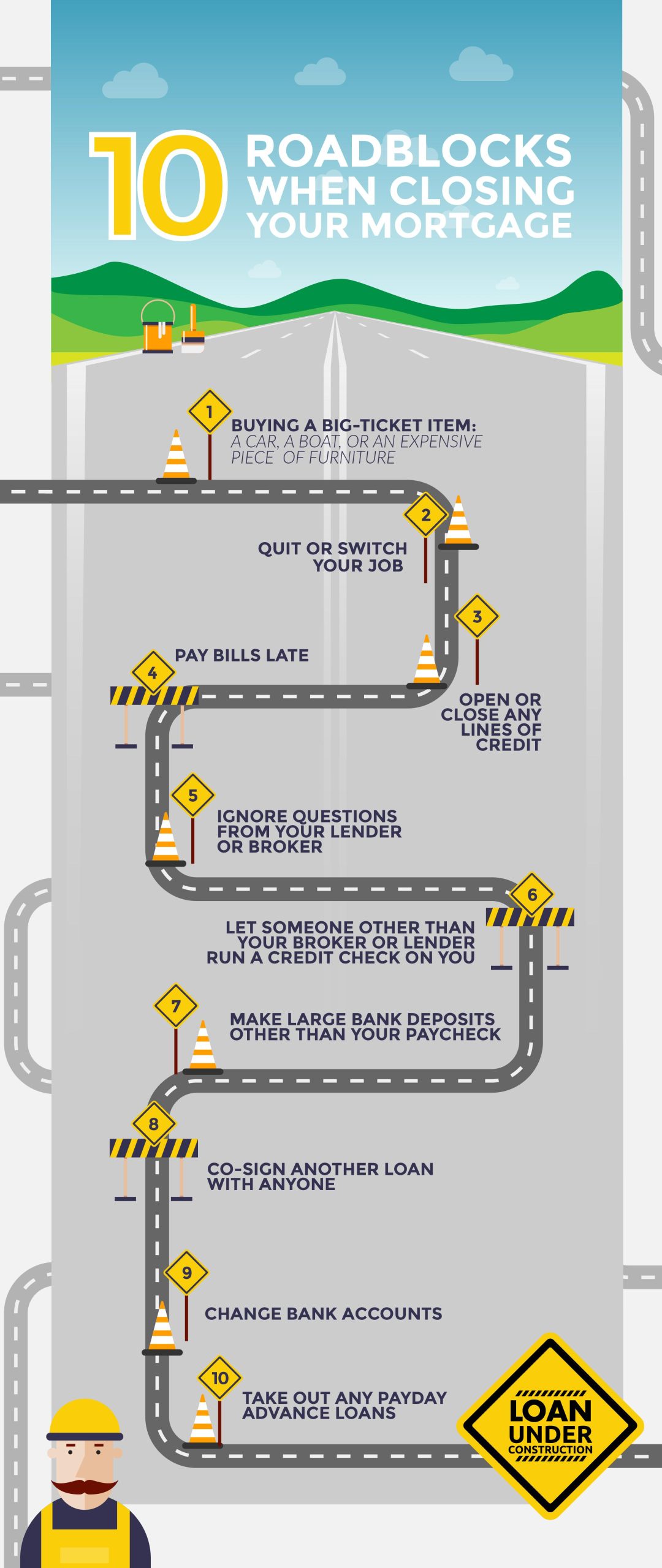
    It’s advisable to maintain open communication with your lender throughout the process. Regularly ask questions and clarify any doubts, as this can definitely help eliminate misunderstandings and last-minute issues. staying informed and proactive will place you in a better position to navigate any challenges that may arise during your application.

    Preparing for Long-Term Commitment and Responsibilities

    embracing a long-term commitment to a mortgage necessitates a thorough evaluation of both your current financial standing and future aspirations. Before signing any agreement, consider conducting a detailed analysis of your budget to ensure that you can comfortably accommodate mortgage payments alongside other expenses.Understanding your debt-to-income ratio is critical; ideally, lenders prefer this number to be below 43%. This ratio reflects your ability to manage monthly payments, which is vital for securing favorable loan terms. Additionally, ensure that you have a safety net in place—aim for saving at least three to six months’ worth of expenses to safeguard against unforeseen circumstances.

    Another key aspect of preparing for mortgage responsibilities is to familiarize yourself with the various types of loans available and their implications. Variable-rate mortgages may seem attractive at first due to lower initial rates, but they can result in fluctuating payments that complicate budgeting.on the other hand, fixed-rate mortgages provide stability, allowing for predictable payments over the life of the loan.Additionally, educate yourself on the other associated costs that come with homeownership, such as property taxes, insurance, and maintenance expenses. It is beneficial to create a table of estimated costs to visualize and plan your financial obligations:

    Expense Type Estimated Monthly Cost
    Mortgage Payment $1,500
    property Taxes $300
    Home Insurance $100
    Maintenance Fund $150
    Utility Bills $200

    Future Outlook

    navigating the mortgage process can be complex, but by adhering to these best practices, borrowers can significantly reduce the likelihood of encountering common pitfalls. Thorough research, diligent readiness, and clear communication with real estate professionals are essential steps in ensuring a smooth experience. Additionally,understanding the terms and conditions of your mortgage,maintaining a healthy credit profile,and being aware of all financial obligations will empower you to make informed decisions. By prioritizing these strategies, you can position yourself for long-term financial success and secure a mortgage that aligns with your goals. Ultimately, knowledge and proactive measures play a pivotal role in avoiding mistakes and achieving homeownership with confidence.

    Share. Facebook Twitter Pinterest LinkedIn WhatsApp
    Previous ArticleWhy Real Estate Remains a Reliable Investment Choice Today
    Next Article Guidelines for Effectively Managing Property Tax Appeals

    Related Posts

    Opinion

    Envisioning Affordable Housing Solutions for Urban Living

    Opinion

    Understanding the Factors Behind Rising Real Estate Prices

    Opinion

    Understanding the Rising Popularity of Real Estate Investment Trusts

    Opinion

    Why Real Estate is Essential for Your Retirement Portfolio

    Opinion

    Why Real Estate is Essential for a Secure Retirement Plan

    Opinion

    How Millennials Are Transforming the Real Estate Market

    Opinion

    Exploring the Rising Crisis of Housing Affordability Today

    Opinion

    Understanding the Rising Crisis of Housing Affordability

    • Facebook
    • Twitter
    • Pinterest
    • Instagram
    • YouTube
    • Vimeo
    Our Picks
    Financing

    Analyzing Interest Rates: Implications for Financing Decisions

    Opinion

    Understanding the Impact of Rising Construction Costs on Housing

    Opinion

    Analyzing the Surge in Rental Market Demand: Key Factors

    Opinion

    Navigating Real Estate Risks in a Down Market: A Guide

    Legal & Taxes

    Essential Tips to Navigate Legal Challenges in Real Estate

    Don't Miss
    Legal & Taxes

    The Essential Role of Real Estate Attorneys in Transactions

    Real estate attorneys play a critical role in property transactions, ensuring compliance with legal requirements and protecting client interests. Their expertise in contract negotiation and dispute resolution helps facilitate smoother transactions, fostering confidence in the process.

    Strategies for Financing a Comprehensive Real Estate Portfolio

    Guide to Legally Structuring Your Real Estate Syndication

    Maximizing Wealth: Tax Advantages of Real Estate Investing

    Mastering the Exit: Strategies for Successful Real Estate Investments

    BTN Realty is a Professional Real Estate Investing Blog. Here we will provide you with only exciting content that you will enjoy and find useful. We’re working to turn our passion into a successful website. We hope you enjoy our Content as much as we enjoy offering them to you.

    Facebook X (Twitter) Instagram Pinterest
    Categories
    • Business (100)
    • Financing (80)
    • Investing (81)
    • Legal & Taxes (99)
    • Markets (88)
    • Mortgage (102)
    • News & Analytics (99)
    • Opinion (119)
    • Real Estate (88)
    • Strategies (86)
    Our Picks
    Financing

    Analyzing Market Conditions and Their Influence on Real Estate Financing

    Opinion

    The Rise of Short-Term Vacation Rentals: A New Travel Trend

    News & Analytics

    Analyzing Trends in Real Estate Crowdfunding Investments

    © 2026 BTN Realty.
    • Home
    • About Us
    • Contact us
    • Privacy Policy
    • Terms & Conditions

    Type above and press Enter to search. Press Esc to cancel.