

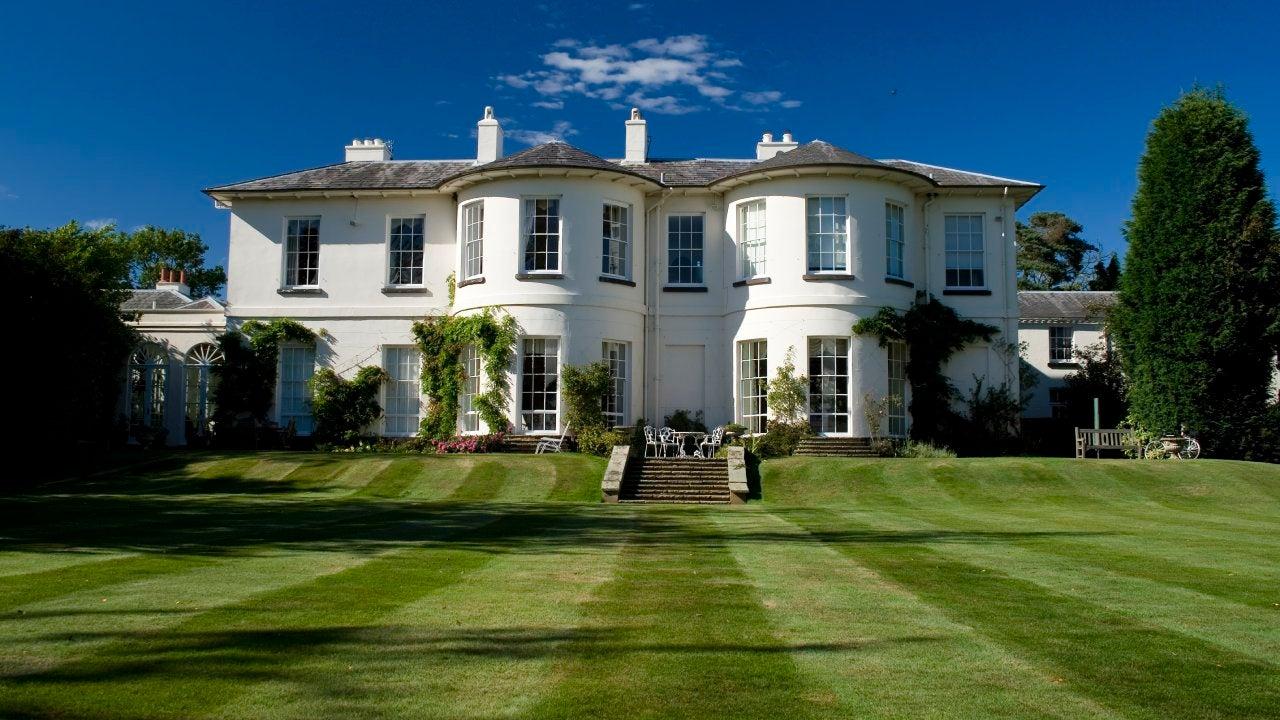
In recent years, the luxury real estate market has experienced an unprecedented surge, capturing the attention of both investors and analysts alike. this phenomenon is not merely a product of fluctuating economic conditions, but rather the culmination of several interrelated factors that have redefined the landscape of high-end properties. From shifts in consumer behavior driven by a growing global elite to the lasting impacts of a post-pandemic world, the dynamics fueling the luxury real estate boom are complex and multifaceted. This article aims to dissect these key factors, examining how lifestyle changes, technological advancements, and evolving investment strategies have converged to create a thriving market for luxury properties. By understanding the underlying forces at play, stakeholders can better navigate this evolving sector and position themselves to leverage opportunities within this expanding realm of real estate.
Table of Contents
- Key Economic Indicators Driving luxury Real Estate Demand
- Demographic Shifts and Their Impact on high-End Property Acquisition
- Technological Innovations Enhancing Luxury Real Estate Investments
- Strategic Investment Approaches for Sustained Growth in the Luxury Market
- Final Thoughts
Key Economic Indicators Driving Luxury Real Estate Demand
Several economic indicators play a pivotal role in bolstering the demand for luxury properties.Consumer confidence stands out as a primary driver; when individuals feel optimistic about their financial futures, they are more inclined to invest in high-end real estate. A robust stock market frequently enough contributes to increased personal wealth, allowing affluent buyers to pursue properties that might have seemed out of reach during economic downturns. In addition, factors such as low-interest rates have historically encouraged buyers to secure larger mortgages, facilitating the purchase of luxury homes while minimizing financial strain.
Another critical factor influencing luxury real estate is the growth of the ultra-wealthy population. As global wealth concentrates in the hands of a few, the demand for opulent residences has surged. Cities known for their strong economies, such as San Francisco, New York, and London, continue to attract high-net-worth individuals seeking prestige and lifestyle. The following table illustrates the correlation between income growth and luxury real estate sales across several key markets:
| City | Average Income Growth (%) | Luxury Real Estate Sales Growth (%) |
|---|---|---|
| San Francisco | 12 | 18 |
| New York | 10 | 15 |
| London | 8 | 12 |
| Los Angeles | 9 | 14 |
Additionally, the rise of remote work has shifted interest toward properties in less densely populated areas, further stimulating demand for luxury homes. With more professionals able to work from anywhere, there’s a growing preference for spacious residences that cater to both living and recreational needs. This trend illustrates a important shift in lifestyle choices,increasing the appeal of luxury properties as individuals prioritize both comfort and functionality in today’s market.
Demographic Shifts and Their Impact on High-End Property Acquisition
The changing demographics of global populations are significantly influencing the luxury real estate market. With urbanization on the rise, a growing number of affluent individuals are seeking premium housing in metropolitan areas where lifestyle amenities and cultural attractions flourish. This trend is further compounded by the influx of younger millionaires, especially tech entrepreneurs and executives, who prioritize modern, luxurious living spaces within vibrant urban environments. Moreover, a noticeable increase in international buyers, especially from emerging markets, has created competitive demand, driving up property values and shaping the types of offerings in high-end real estate portfolios.
Several key factors associated with these demographic shifts are critical to understanding the current surge in luxury property acquisitions:
- Changing Buyer Preferences: the emphasis on sustainability and wellness is leading buyers to seek homes equipped with eco-kind features and holistic living environments.
- Remote Work Flexibility: The rise of remote work has allowed individuals to choose residence based on personal preference rather than proximity to workplace, increasing demand in luxury suburban markets.
- Diverse Investments: Wealthy individuals are more inclined to diversify their portfolios through high-end real estate, viewing these acquisitions as stable long-term investments amidst global uncertainties.
Technological Innovations Enhancing Luxury Real Estate Investments
In the ever-evolving landscape of luxury real estate, technological innovations are playing a pivotal role in shaping investment strategies. Virtual reality (VR) and augmented reality (AR) enable potential buyers to experience properties from the comfort of their homes, significantly enhancing the decision-making process. The integration of smart home technologies adds another layer of appeal,allowing investors to not only enjoy cutting-edge amenities but also to increase property value through modern features. Moreover, the utilization of AI-driven analytics provides real-time market insights, helping investors identify lucrative opportunities with precision.
Additionally, blockchain technology is revolutionizing property transactions by establishing secure, obvious environments that streamline the buying and selling process. This innovation minimizes the risks associated with fraud and simplifies due diligence, making luxury investments more accessible. Key innovations contributing to this transformative era include:
- 3D Printing: Facilitating rapid construction of bespoke luxury properties.
- Big Data: Offering comprehensive market analysis and consumer behavior insights.
- Eco-friendly technologies: Enhancing property appeal through lasting practices.
Strategic Investment Approaches for Sustained Growth in the Luxury Market
In an evolving luxury market, strategic investment approaches are crucial for sustaining growth amid changing consumer preferences and economic conditions. Investors are increasingly focusing on three vital elements: location, brand relevance, and experiential offerings. Properties situated in prime locations are considered more valuable, often leading to higher returns on investment. Moreover, the alignment with well-established luxury brands assures buyers of quality and prestige, wich enhances resale value. To maintain desirability, it’s essential for investors to keep a pulse on market trends and continue investing in properties that resonate with luxury consumers who seek unique experiences.
Moreover, adapting to sustainability and innovation can significantly bolster investment potential in the luxury sector. Properties equipped with sustainable technologies not only appeal to a growing demographic concerned with eco-friendliness but also reduce long-term operational costs. In addition, integrating cutting-edge features such as smart home technology or personalized services can create an exclusive and luxurious living experience. A table summarizing the main strategic approaches for investment in luxury real estate highlights these key aspects:
| Strategic Approach | Description |
|---|---|
| Location | Invest in prime areas with economic stability and growth potential. |
| Brand Relevance | Align investments with recognized luxury brands to enhance appeal. |
| Experiential Offerings | Focus on properties that provide rich, unique luxury experiences. |
| Sustainability | Incorporate eco-friendly practices to attract conscientious buyers. |
| innovation | Utilize smart technology to enhance comfort and exclusivity. |
Final Thoughts
the surge in luxury real estate growth can be attributed to a confluence of key factors that are reshaping the landscape of high-end property markets. These include the enduring appeal of exclusivity, the influence of global wealth distribution shifts, changes in lifestyle preferences accelerated by recent global events, and the technological advancements that enhance the buying and selling processes.
As affluent buyers increasingly seek not just a home but a lifestyle that aligns with their aspirations, developers and investors are compelled to innovate and adapt to these evolving demands. Moreover, geopolitical trends and macroeconomic conditions will continue to play a pivotal role in determining the trajectory of luxury real estate.
Understanding these dynamics is essential for stakeholders in the industry, as they navigate opportunities and challenges in an increasingly competitive environment. Ultimately, the luxury real estate sector’s resilience and adaptability will be crucial as it ventures into a future defined by rapid change and increased demands for sustainability, technology, and personalized experiences.As we look ahead, staying attuned to these factors will be vital for capitalizing on the opportunities this evolving market presents.