

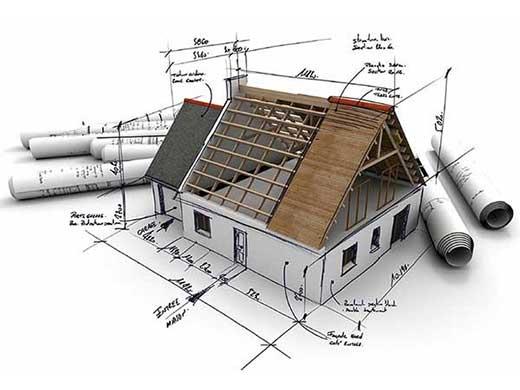
In today’s dynamic real estate landscape, property owners and investors are continually seeking innovative ways to enhance the value of their investments. Strategic renovations have emerged as a pivotal strategy for maximizing return on investment (ROI), offering a calculated approach to upgrading properties that balances cost with potential value appreciation. This article delves into the nuances of strategic renovations, exploring how thoughtful planning, market analysis, and targeted improvements can significantly increase property appeal and profitability. By understanding which enhancements yield the greatest ROI and how to execute them effectively, investors can transform their properties into lucrative assets. Whether you are a seasoned investor or a first-time homeowner, the insights presented here will equip you with the tools necessary to navigate the complexities of property renovation and make informed decisions that drive financial success.
Table of Contents
- Identifying Key Renovation Opportunities for Increased Property Value
- Evaluating Cost-Effective Upgrades: Balancing Quality and Affordability
- Implementing Sustainable Practices to Enhance Market Appeal
- Utilizing Market Trends to Inform Renovation Decisions and Maximize Returns
- Wrapping Up
Identifying Key Renovation Opportunities for Increased Property Value
Understanding where to focus your renovation efforts is crucial for maximizing property value. Consider these key areas that often deliver significant returns on investment:
- Kitchens: Modernizing your kitchen with updated appliances, countertops, and cabinets can dramatically enhance appeal.
- Bathrooms: A bathroom remodel, characterized by newer fixtures and improved layouts, can yield a substantial ROI.
- Energy Efficiency: Upgrading insulation, windows, and HVAC systems not only cuts costs but also attracts environmentally conscious buyers.
- Curb Appeal: Simple enhancements like landscaping, painting your front door, or adding outdoor lighting can significantly improve first impressions.
When planning renovations, prioritize improvements that speak directly to potential buyers. Timeless designs and quality materials often provide longevity in appeal. Below is a comparison of typical renovation costs versus the projected increase in property value:
| Renovation Project | Average Cost | Expected Value Increase |
|---|---|---|
| Kitchen Remodel | $20,000 | $30,000 |
| Bathroom Update | $15,000 | $22,000 |
| Energy Efficient Windows | $10,000 | $15,000 |
| Landscaping Improvements | $5,000 | $7,000 |
Evaluating Cost-Effective Upgrades: Balancing Quality and Affordability
When considering property upgrades, it’s essential to focus on solutions that provide the best return on investment. Not all renovations carry equal weight in terms of value addition, and discerning which projects yield favorable outcomes is key to maximizing returns. Prioritize high-impact changes that enhance both functionality and aesthetics. Some preferred upgrades include:
- Kitchens: Modernizing appliances and countertops can significantly increase value.
- Bathrooms: Upgrading fixtures or incorporating energy-efficient solutions often attracts buyers.
- Curb Appeal: Landscaping and exterior renovations enhance first impressions.
Moreover, balancing quality with affordability is vital. Opt for materials that offer durability without exorbitant costs, as cutting corners on quality can backfire. Consider the following cost-effective strategies:
| Upgrade | Cost Estimate | Estimated ROI |
|---|---|---|
| Kitchen Refresh | $10,000 | 70% |
| Bathroom Remodel | $8,000 | 60% |
| Landscaping | $5,000 | 50% |
By adhering to these principles, property owners can confidently navigate the renovation landscape, ensuring each upgrade not only pleases the eye but also fortifies the investment for the future. Careful decision-making regarding which upgrades to select will ultimately enable property investors to strike the right balance between quality and affordability.
Implementing Sustainable Practices to Enhance Market Appeal
Incorporating eco-friendly elements into your property can significantly boost its market appeal while also contributing to a sustainable future. Green renovations not only attract environmentally-conscious buyers but also often provide substantial long-term savings on energy costs. Consider the following strategies:
- Energy-efficient appliances: Upgrade to Energy Star-rated appliances to lower utility bills and enhance appeal.
- Sustainable materials: Use reclaimed wood, recycled steel, or bamboo flooring to appeal to eco-friendly consumers.
- Solar panels: Invest in solar technology to reduce energy costs and increase property value.
- Water-saving fixtures: Install low-flow toilets and faucets to promote sustainability and cost savings.
- Smart home technology: Incorporate systems that monitor and optimize energy use.
To effectively communicate the value of these renovations, it’s essential to provide potential buyers with clear information on the benefits. A well-organized table showcasing the anticipated savings and benefits of sustainable upgrades can be a powerful tool in your marketing strategy. Here’s an example:
| Upgrade | Estimated Annual Savings | Increased Property Value |
|---|---|---|
| Energy-efficient appliances | $200 | +5% |
| Solar panels | $1,200 | +15% |
| Low-flow fixtures | $150 | +3% |
| Smart thermostats | $100 | +2% |
By thoughtfully implementing these sustainable practices, property owners can not only enhance their market appeal but also create a lasting legacy of environmental responsibility, proving that profitability and sustainability can go hand in hand.
Utilizing Market Trends to Inform Renovation Decisions and Maximize Returns
In the competitive real estate market, staying ahead of the curve requires a keen understanding of current trends. Renovation decisions should not only focus on improving aesthetics but also on aligning with buyer preferences that are continually evolving. Key trends influencing renovations today include:
- Sustainability: Eco-friendly materials and energy-efficient systems are increasingly sought after.
- Smart-home technology: Integrating automation features can significantly boost appeal to tech-savvy buyers.
- Open floor plans: Fostering flow and space utilization is paramount in attracting modern families.
By adopting a data-driven approach, property owners can tap into valuable market insights to inform their renovation strategies. Analyzing local real estate reports and buyer feedback can reveal what improvements are most likely to yield a high return on investment. Consider the following data points when making your decisions:
| Renovation Type | Approximate ROI (%) |
|---|---|
| Kitchen Remodel | 70-80 |
| Bathroom Update | 60-70 |
| Exterior Improvements | 90 |
By prioritizing renovations that align with emerging market trends, property owners can not only enhance the desirability of their investments but also secure a significant return when it comes time to sell.
Wrapping Up
strategic renovations can significantly enhance the value of your property investment while maximizing your return on investment. By meticulously assessing market trends, prioritizing high-impact upgrades, and aligning your renovation choices with the needs of prospective buyers or renters, you can create a property that stands out in a competitive market. Remember, the key to successful renovations lies in thoughtful planning and execution—ensuring that each dollar spent contributes not only to the aesthetic appeal of your property but also to its overall functionality and value. As you embark on your renovation journey, keep these principles in mind to transform your property into a profitable asset that meets the demands of today’s discerning investors and occupants alike. With the right strategy in place, your investment can yield impressive returns, paving the way for future opportunities and sustained growth in your real estate portfolio.