

Introduction
Navigating the financial landscape after a bankruptcy can be daunting, particularly for individuals looking to rebuild their creditworthiness and secure mortgage financing. A bankruptcy filing can significantly impact one’s ability to qualify for a mortgage, as it raises concerns among lenders regarding the borrower’s credit risk. However, with strategic planning and a clear understanding of the requirements, it is possible to re-enter the housing market post-bankruptcy. This article outlines essential steps to help individuals qualify for a mortgage after experiencing bankruptcy, addressing key factors such as rebuilding credit, meeting lender requirements, and understanding different mortgage options available to those with a past bankruptcy. By following these guidelines, prospective homebuyers can regain a footing in the real estate market and take critically important strides toward homeownership.
Table of Contents
- Understanding the Impact of Bankruptcy on Mortgage Eligibility
- Assessing Your Financial Situation and Rebuilding Credit
- Exploring Loan Options and Lenders for Post-Bankruptcy Mortgages
- Preparing for the Application Process and Required Documentation
- In Summary
Understanding the Impact of Bankruptcy on Mortgage Eligibility
When navigating the complex landscape of mortgage eligibility after bankruptcy, it’s crucial to understand how this financial setback can affect future borrowing opportunities. Once bankruptcy is filed, it typically remains on your credit report for up to 10 years, which can significantly impact your credit score. Lenders assess this history to determine the risk involved in granting you a mortgage. Consequently, you’ll likely face higher interest rates and may need a larger down payment. To improve your chances of qualifying, it’s essential to take proactive measures to rebuild your credit once the bankruptcy process is completed.
To enhance your mortgage eligibility post-bankruptcy, consider the following strategies:
- Establish a reliable Payment History: Timely payments on any remaining debts or new accounts can definitely help re-establish your creditworthiness.
- Monitor Your Credit Report: Regularly check your credit report for inaccuracies and work on resolving any discrepancies.
- Save for a Larger Down payment: A substantial down payment could potentially offset a less-than-perfect credit score.
- Seek Pre-Approval: Getting pre-approved for a mortgage can provide a clearer picture of your potential eligibility and help guide your financial planning.
Assessing Your Financial Situation and Rebuilding Credit
Understanding your financial landscape is essential after experiencing bankruptcy. Start by gathering all your financial documents, including income statements, bank statements, and a list of debts. Assess your current income level and look for areas where you can reduce expenses; this will help you create a realistic budget. Setting aside savings for emergencies and potential down payments is critical. prioritize paying down high-interest debts and ensuring that all your bills are paid on time to start rebuilding your financial reputation. Utilizing financial management tools or consulting with a financial advisor can also offer guidance tailored to your unique situation.
Rebuilding your credit score will take patience and consistency, but it’s achievable. Begin by obtaining a free copy of your credit report to identify any inaccuracies that need to be corrected. Take note of your credit utilization ratio and strive to keep it below 30%. Consider applying for a secured credit card or a credit-builder loan to initiate positive credit activity. make sure to make on-time payments, as this is one of the most significant factors affecting your credit score. Over time, as your credit improves, you’ll be able to qualify for better mortgage options.
Exploring Loan Options and Lenders for Post-Bankruptcy Mortgages
Once you emerge from bankruptcy, it’s crucial to explore various loan options and lenders that cater specifically to individuals in your situation. Many conventional lenders may hesitate to offer you a mortgage right away, but numerous specialists and lenders are willing to work with post-bankruptcy borrowers.before diving into the application process, consider the following when reviewing potential lenders:
- Reputation: Look for lenders with a strong track record in helping borrowers recover post-bankruptcy.
- Loan Options: Investigate different types of loans, such as FHA, VA, or USDA loans, which might have more lenient terms.
- Interest Rates: Compare the interest rates offered by different lenders, as they can significantly affect your monthly payments.
- Fees: Be aware of any additional closing costs or fees that may come with your mortgage.
To aid your decision-making process, you might visualize your options through a comparison table. Look for lenders that provide clear terms and conditions, ensuring transparency throughout the process:
| Lender Type | Minimum Credit Score | Loan Programs Available |
|---|---|---|
| FHA Lenders | 580 | FHA Loans |
| VA Lenders | No Minimum | VA Loans |
| Credit Unions | 600 | Conventional, FHA |
| Private Lenders | 650 | Hard Money Loans |
By understanding the landscape of post-bankruptcy mortgage options and carefully selecting your lender, you place yourself in a stronger position to successfully secure financing for your future home. It’s essential to ask questions and seek advice from financial professionals to ensure you make the best informed choice tailored to your unique financial circumstances.
Preparing for the Application Process and Required Documentation
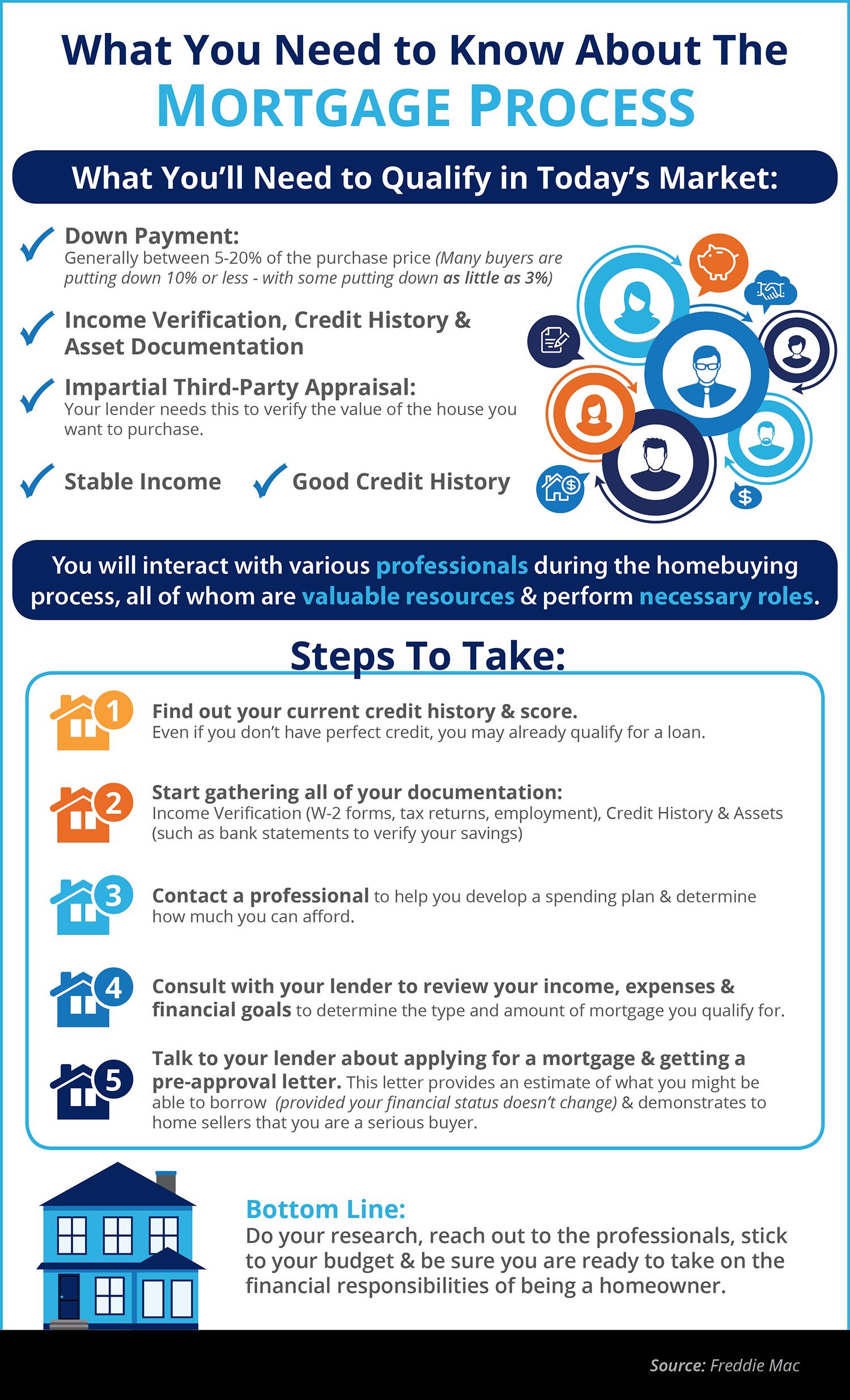
To enhance your chances of securing a mortgage after bankruptcy, it is essential to begin preparing your application well in advance. This process involves gathering necessary documentation and ensuring financial stability. Key documents typically required include:
- Proof of Income: Recent pay stubs, W-2 forms, or tax returns from the last two years.
- Bank Statements: A minimum of two months of statements for all accounts.
- Credit History: Access to your credit report to verify debts and bankruptcy details.
- Identification: A government-issued photo ID, such as a driver’s license or passport.
Additionally, it’s crucial to demonstrate responsible financial behavior during your post-bankruptcy period. Lenders will typically examine your recent payment history, debts, and any changes in your income. Maintaining a budget and keeping your debt-to-income ratio in check can positively impact your application. Consider documenting the following:
- Debt Repayment plan: A clear plan showing your commitment to managing current obligations.
- Proof of Savings: Recent bank statements showing any savings accumulated as bankruptcy.
- Rental Payment History: Evidence of consistent on-time rent payments can serve as a positive indicator of reliability.
In summary
qualifying for a mortgage after experiencing bankruptcy is certainly challenging, but it is indeed not unattainable. By understanding the critical steps—such as rebuilding your credit, establishing a stable income, saving for a larger down payment, and exploring various mortgage options—you can successfully navigate the path to homeownership once again. It is indeed essential to remain patient and proactive throughout this process, as each individual’s situation varies.Consulting with financial advisors and mortgage professionals can provide tailored guidance to enhance your chances of approval. Ultimately, with diligence and careful planning, you can achieve your goal of securing a mortgage and owning a home, turning a challenging chapter into a foundation for a fresh start.