

In the intricate landscape of real estate financing, credit scores serve as a pivotal determinant of borrowing capability and loan terms. These numerical indicators, derived from a borrower’s credit history, encapsulate a wealth of financial behavior, offering lenders a quantifiable measure of risk associated with potential borrowers. As the real estate market continues to evolve amid fluctuating economic conditions and regulatory shifts, understanding the interplay between credit scores and financing options has never been more crucial. This article delves into the technical dimensions of how credit scores influence lending practices, affect mortgage approvals, and ultimately shape the dynamics of real estate transactions. By analyzing current trends and statistical data, we aim to illuminate the implications of credit scores on both individual borrowers and the broader real estate market, highlighting the essential role they play in financial decision-making processes.
Table of Contents
- Understanding Credit Score Metrics and Their Role in Real Estate Financing
- Evaluating the Relationship Between Credit Scores and Mortgage Interest Rates
- Strategies for Improving Credit Scores to Enhance Real Estate Financing Opportunities
- Navigating the Implications of Credit Scores for First-Time Homebuyers and Investors
- In Summary
Understanding Credit Score Metrics and Their Role in Real Estate Financing
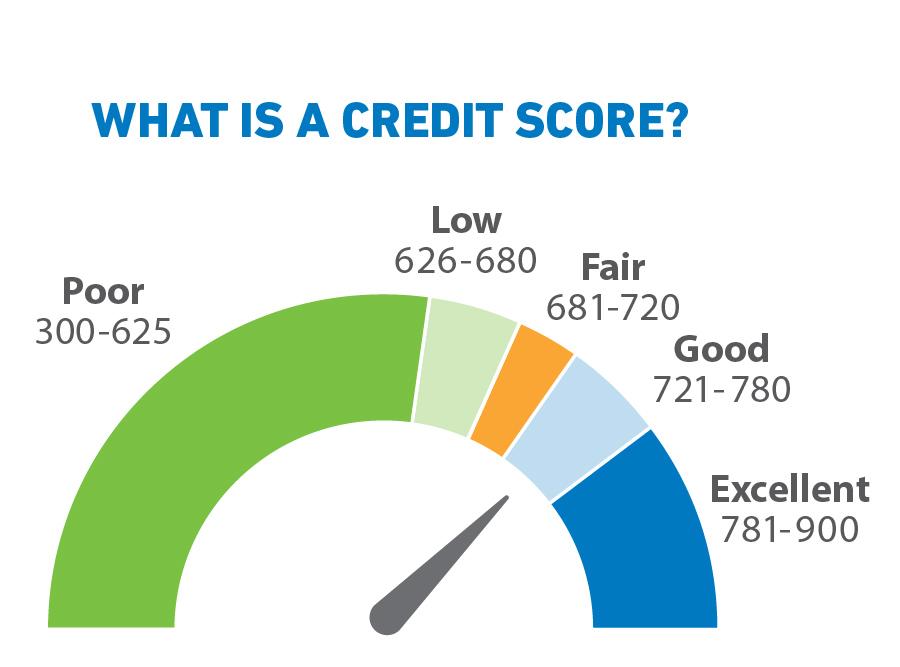
When navigating the landscape of real estate financing, understanding credit score metrics is essential for both buyers and lenders. Credit scores, typically ranging from 300 to 850, serve as a numerical representation of an individual’s creditworthiness based on various factors. These include:
- Payment History: The record of on-time or late payments.
- Credit Utilization: The ratio of current debt to available credit.
- Length of Credit History: The duration of credit accounts.
- Types of Credit: The mix of credit accounts like loans and credit cards.
- New Credit: Recent inquiries and newly opened accounts.
A lender’s evaluation of these metrics can significantly influence a buyer’s potential loan approval and the interest rates offered. For example, higher credit scores usually lead to more favorable mortgage terms, including lower interest rates and reduced insurance premiums. Consequently, understanding how these score components impact financing options is vital for prospective homeowners. Below is a simplified table showcasing the common credit score ranges and their potential effects on mortgage financing:
| Credit Score Range | Mortgage Rate Estimate | Loan Approval Likelihood |
|---|---|---|
| 300 – 579 | 5.75% or higher | Low |
| 580 – 669 | 4.5% – 5.25% | Moderate |
| 670 – 739 | 3.75% – 4.5% | High |
| 740 – 850 | 3.25% – 3.75% | Excellent |
Evaluating the Relationship Between Credit Scores and Mortgage Interest Rates
The correlation between credit scores and mortgage interest rates is a fundamental aspect of real estate financing. Lenders utilize credit scores as a primary metric to assess a borrower’s creditworthiness, which ultimately affects the terms and conditions of any mortgage offer. A high credit score typically signifies responsible borrowing behavior, leading to more favorable mortgage rates. Conversely, lower scores can impose higher interest rates, reflecting the increased risk perceived by lenders. The impact of a credit score on the overall cost of borrowing can be significant, resulting in substantial interest savings for those with excellent credit over the life of the loan.
To illustrate the potential variation in interest rates based on credit scores, consider the following table which highlights typical interest rates corresponding to different credit score ranges:
| Credit Score Range | Typical Mortgage Interest Rate |
|---|---|
| 760 – 850 | 3.0% – 3.5% |
| 700 – 759 | 3.5% – 4.0% |
| 640 – 699 | 4.0% – 4.5% |
| 580 – 639 | 4.5% – 5.0% |
| Below 580 | 5.0%+ |
Moreover, understanding this relationship is essential for potential homebuyers aiming to optimize their financing options. By improving their credit rating through practices such as timely bill payments, reducing debt-to-income ratios, and managing credit utilization, borrowers can potentially unlock better rates. Beyond just the numbers, a high credit score can provide a competitive edge in a crowded real estate market, enabling buyers to secure not only better interest rates but also the most favorable loan terms.
Strategies for Improving Credit Scores to Enhance Real Estate Financing Opportunities
Improving your credit score is essential for unlocking better real estate financing options. To achieve this, start by ensuring that all your personal information is accurate on your credit report. Regularly review your report for errors and dispute any discrepancies that could negatively impact your score. Implementing the following strategies can significantly enhance your credit profile:
- Pay Bills on Time: Consistency in making timely payments is crucial. Consider setting up automatic payments to avoid missed due dates.
- Reduce Debt-to-Income Ratio: Focus on paying down existing debts to lower your ratio, which is a critical factor in credit calculations.
- Limit New Credit Inquiries: Each application for new credit can slightly lower your score. Be strategic in applying only when necessary.
Building a robust credit history also involves understanding the varied components that contribute to your score. It is vital to maintain a mix of credit types, which demonstrates your ability to manage different financial responsibilities. A practical approach to enhancing your score includes:
| Credit Component | Impact on Score |
|---|---|
| Payment History | 35% |
| Credit Utilization Ratio | 30% |
| Length of Credit History | 15% |
| Types of Credit | 10% |
| New Credit Inquiries | 10% |
By systematically addressing each of these components, individuals can cultivate a healthier credit score, ultimately leading to more favorable real estate financing opportunities.
Navigating the Implications of Credit Scores for First-Time Homebuyers and Investors
For first-time homebuyers, understanding the nuances of credit scores is essential in navigating the often-complex landscape of real estate financing. Lenders rely heavily on credit scores to assess the risk associated with providing loans. A higher credit score generally translates to better financing options, including lower interest rates and more favorable loan terms. This can create significant savings over the life of a mortgage, making it imperative for new buyers to actively monitor and improve their credit profiles. Key factors that influence credit scores include:
- Payment History: Timeliness of bill payments directly affects scores.
- Credit Utilization: Keeping balances low relative to credit limits is beneficial.
- Length of Credit History: Longer credit histories, with good management, are favorable.
Investors, on the other hand, face a different set of implications regarding credit scores when pursuing real estate opportunities. Since many investment properties rely on financing for acquisition, a strong credit profile becomes crucial for scaling portfolios effectively. Investors with lower scores may find themselves limited to higher interest rates or even rejected for financing altogether. Moreover, the structure of the investment strategy can also be influenced by credit status—in some cases, cash purchases might be a more attractive route if credit scores are insufficient. Investing in credit improvement through:
- Debt Reduction: Lowering outstanding debts can have a positive effect.
- Regular Credit Reports: Obtaining and reviewing reports helps identify areas for improvement.
- Timely Payments: Ensuring all bills are paid promptly builds a positive financial reputation.
In Summary
understanding the intricate relationship between credit scores and real estate financing dynamics is essential for stakeholders across the industry. Credit scores serve not only as a barometer for individual creditworthiness but also as a pivotal factor influencing lending practices, interest rates, and overall market accessibility. The interplay between borrower profiles and lender policies underscores the importance of maintaining healthy credit scores for prospective homeowners and real estate investors alike.
As the landscape of real estate financing continues to evolve, characterized by fluctuating economic conditions and regulatory changes, stakeholders must remain vigilant in monitoring their credit standings and the broader implications of credit scoring systems. By fostering a robust understanding of these dynamics, stakeholders can make informed decisions that not only enhance personal financial security but also contribute to the stability and growth of the real estate market as a whole.
In light of these considerations, ongoing education and strategic financial planning will be paramount as we navigate an increasingly complex real estate financing environment. As credit scoring methodologies continue to develop and adapt, the potential for greater inclusivity and equitable access to financing remains a crucial objective for the future of real estate markets.