

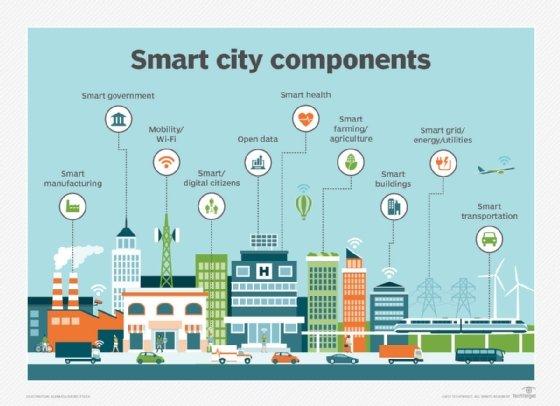
As urban populations surge and the demand for innovative living spaces intensifies, the concept of smart cities emerges as a pivotal force reshaping the landscape of real estate development. By integrating advanced technologies, sustainable practices, and data-driven decision-making, these urban environments promise not only enhanced quality of life for residents but also improved operational efficiencies for businesses and municipalities. This article delves into the critical elements of smart city planning, examining how the convergence of real estate and technology is revolutionizing the building industry. From smart infrastructure and sustainable design to the role of public-private partnerships, we explore the transformative potential of smart cities and their implications for the future of real estate development. As stakeholders navigate this evolving paradigm, understanding the delicacies of smart city integration will be essential for capitalizing on new opportunities and driving sustainable growth in the urban environment.
Table of Contents
- Determinants of Smart City Infrastructure and Their Impact on Real Estate Valuation
- Integrating Sustainable Practices in Smart City Development to Enhance Property Appeal
- Leveraging Technology for Enhanced Community Engagement in Real Estate Projects
- Strategic Partnerships: Collaborating with Tech Firms to Drive Smart Urban Growth
- In Retrospect
Determinants of Smart City Infrastructure and Their Impact on Real Estate Valuation
The landscape of real estate valuation is significantly influenced by the development and deployment of smart city infrastructure. These innovative urban frameworks not only enhance the quality of life for residents but also create a ripple effect on property values. Key determinants that drive this evolution include:
- Connectivity: The integration of IoT devices allows for seamless communication across urban spaces, greatly enhancing transport and mobility.
- Sustainability: Eco-friendly initiatives such as renewable energy sources and smart waste management systems play a crucial role in attracting environmentally conscious buyers.
- Safety and Security: Advanced surveillance systems and smart emergency response features elevate residents’ sense of security, making properties within these areas more desirable.
Furthermore, the impact of smart city features on real estate valuation can be quantitatively assessed through various metrics. Properties that are nestled within smart district zones often see a marked appreciation in value compared to their traditional counterparts. Consider the following comparative table illustrating typical valuation impacts:
| Feature | Traditional Property Value | Smart City Property Value | Value Increase (%) |
|---|---|---|---|
| High-speed Internet | $300,000 | $360,000 | 20% |
| Smart Security Systems | $320,000 | $384,000 | 20% |
| Sustainable Energy Solutions | $350,000 | $420,000 | 20% |
Integrating Sustainable Practices in Smart City Development to Enhance Property Appeal
As urban centers evolve into smart cities, the integration of sustainable practices has emerged as a pivotal factor in enhancing property appeal. Developers are increasingly recognizing that eco-friendly designs not only meet regulatory mandates but also resonate with environmentally-conscious consumers. By incorporating sustainable features into their projects, they can significantly boost their marketability. Key sustainable practices include:
- Energy-efficient buildings: Utilizing renewable energy sources and advanced insulation to reduce carbon footprints.
- Green spaces: Designing public parks and green rooftops that promote biodiversity and enhance community well-being.
- Water management: Implementing rainwater harvesting systems and permeable pavements to minimize water runoff.
Moreover, data-driven technologies can further enrich these sustainable initiatives. Smart urban planning can facilitate efficient transport systems, reducing congestion and emissions while improving residents’ quality of life. Additionally, the integration of smart waste management solutions can enhance cleanliness and efficiency in cities. The following table encapsulates the impact of these initiatives on property values:
| Sustainable Practice | Impact on Property Value | Market Demand |
|---|---|---|
| Energy-efficient buildings | +15% | High |
| Green spaces | +10% | Medium |
| Smart waste management | +5% | Growing |
Leveraging Technology for Enhanced Community Engagement in Real Estate Projects
In today’s rapidly evolving real estate landscape, technology plays a crucial role in fostering strong ties between developers and the communities they serve. By harnessing digital tools and platforms, stakeholders can effectively facilitate communication, gather feedback, and promote transparency in development projects. Some of the most impactful technologies include:
- Virtual Reality (VR): Allowing prospective residents to visualize and experience spaces before construction.
- Mobile Applications: Offering easy access to project updates, community events, and feedback channels.
- Social Media: Engaging with the community in real-time, sharing progress, and receiving input directly.
- Data Analytics: Assessing community needs and preferences to tailor developments accordingly.
Moreover, interactive platforms and innovative approaches are essential for fostering collaborative environments. Utilizing tools for surveys, focus groups, and digital town hall meetings allows residents to voice their concerns and contribute ideas, enriching the development process. The integration of smart technology can also enhance urban living, optimizing services like:
| Service | Technology Used |
|---|---|
| Public Transportation | Smart Sensors & Real-Time Tracking |
| Waste Management | IoT-Enabled Bins |
| Emergency Services | Geographic Information Systems (GIS) |
| Energy Consumption | Smart Grids |
Strategic Partnerships: Collaborating with Tech Firms to Drive Smart Urban Growth
In the quest for innovative urban solutions, real estate developers are increasingly looking towards collaborations with technology firms. By partnering with experts in areas such as artificial intelligence, Internet of Things (IoT), and big data, developers can create environments that are not only more efficient but also greatly enhance the quality of life for residents. These partnerships enable the integration of smart technologies that streamline urban infrastructure, including:
- Enhanced public safety through real-time surveillance and emergency response systems.
- Smart transportation solutions that optimize traffic flow and reduce congestion.
- Sustainable energy management allowing for reduced carbon footprints via smart grids and energy-efficient buildings.
Moreover, effective collaboration can lead to the creation of user-centric solutions that prioritize community needs. By utilizing data analytics, developers can identify trends and preferences within urban populations, enabling them to design spaces that foster stronger community interactions. The benefits extend beyond innovation, as the combination of traditional real estate development with cutting-edge technology can result in:
| Benefits | Description |
|---|---|
| Cost Efficiency | Reduced operational costs through improved resource allocation. |
| Increased Value | Attractive properties that command higher market prices. |
| Community Engagement | Spaces that promote social interaction and accessibility. |
In Retrospect
as we stand on the brink of an era defined by technological advancement and urban transformation, the vision of smart cities is not just an aspiration but an impending reality that will reshape the landscape of real estate development. Integrating cutting-edge technology with sustainable design principles will not only enhance the livability of urban spaces but also pave the way for innovative investment opportunities. Developers, city planners, and stakeholders must proactively adapt to this paradigm shift, leveraging data-driven insights and embracing collaborative approaches to urban planning. By doing so, they can create resilient, interconnected communities that meet the evolving needs of residents and businesses. As we look to the future, it is clear that the successful realization of smart cities will hinge on our ability to envision and implement solutions that are not only efficient and effective but also inclusive and sustainable, ultimately setting the stage for a new standard in real estate development.