

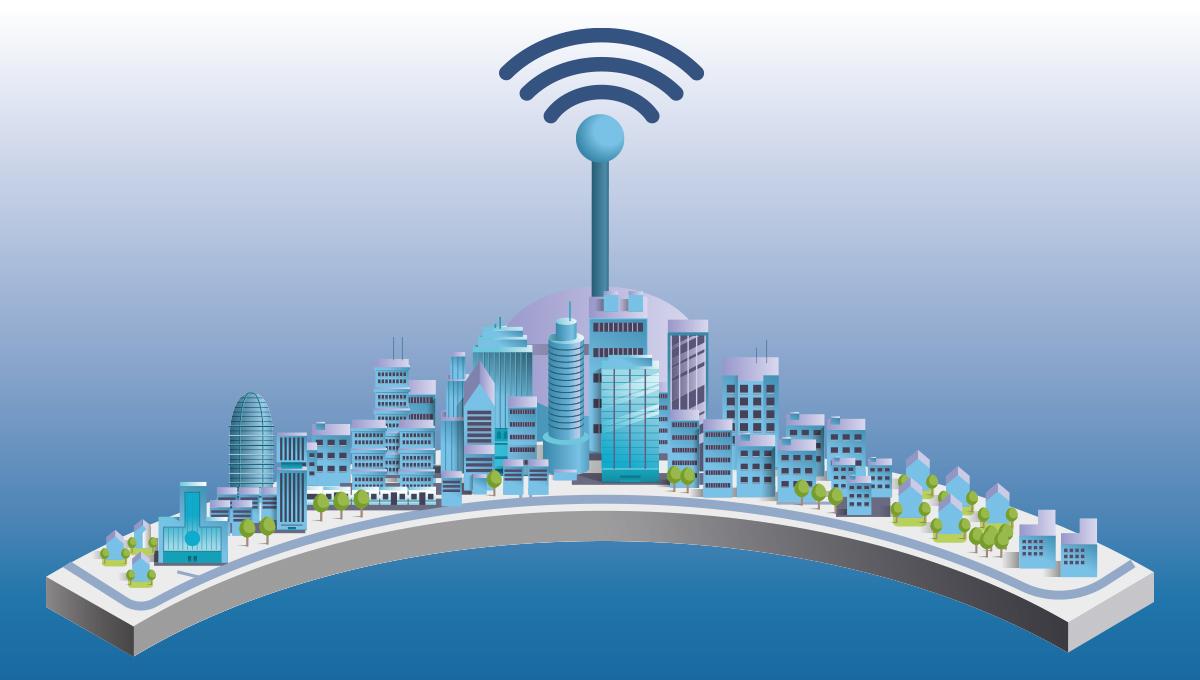
As urbanization accelerates and technology continues to evolve, the concept of smart cities has emerged as a pivotal blueprint for future urban development. Integrating cutting-edge technologies and data-driven solutions,smart cities aim to enhance the quality of life for residents while optimizing city operations. This conversion is not only reshaping urban landscapes but is also fundamentally altering the dynamics of real estate. In this article, we will explore the compelling intersection of smart city initiatives and the real estate sector, examining how innovations in connectivity, sustainability, and infrastructure are poised to redefine market trends, investment strategies, and property valuations.By delving into the potential implications for developers, investors, and urban planners, we will illuminate how the evolution of smart cities presents both challenges and unprecedented opportunities within the real estate landscape. Join us as we envision the future and understand the critical role that smart city infrastructures will play in shaping tomorrow’s urban environments and real estate markets.
Table of Contents
- Understanding the Concept of Smart Cities and Their Underlying Technologies
- Assessing the Economic Implications of Smart Urban Development on Real Estate Markets
- Integrating Sustainability and Smart Solutions: Best Practices for Real Estate Developers
- Strategic Recommendations for Stakeholders in the Evolving Landscape of Smart Cities
- Final Thoughts
Understanding the Concept of Smart Cities and Their Underlying Technologies
Smart cities represent a transformative approach to urban living, where technology is seamlessly integrated to enhance the quality of life for residents. At the core of this concept lies the Internet of things (IoT), which enables devices and systems to communicate and share data. This connectivity drives efficiencies and improvements in essential services such as transportation, energy management, and public safety. Key technologies that contribute to the development of smart cities include:
- Data Analytics: Leveraging big data to inform decision-making.
- Smart Infrastructure: IoT-enabled sensors that monitor and manage city utilities.
- Renewable Energy Solutions: Integration of solar, wind, and other green technologies.
- Smart Transportation: Real-time traffic monitoring and management systems.
As these technologies converge, they create a holistic ecosystem that fosters innovation and economic growth. For real estate, the impact is profound; properties in smart cities ofen see increased value due to enhanced connectivity and infrastructure. Upcoming trends point towards the need for developers and investors to embrace smart solutions, such as:
| trend | Description |
|---|---|
| Smart Buildings | Utilization of advanced technologies for energy efficiency and resident comfort. |
| Sustainable Development | Focus on eco-friendly practices and materials in construction. |
| mobility Solutions | Integration of public transport apps and shared mobility services. |
Assessing the Economic Implications of Smart Urban Development on Real Estate Markets
The rise of smart urban development represents a fundamental shift in how cities are designed, built, and managed. As economies transform to accommodate new technologies and urbanization trends, real estate markets will inevitably undergo notable changes. Key factors influencing these economic implications include:
- Increased Demand for Mixed-Use Spaces: Smart cities promote versatility, combining residential, commercial, and recreational spaces, making them more attractive to potential residents and businesses.
- Enhanced Connectivity: Technologies such as IoT and smart transportation systems improve accessibility, which in turn can elevate property values in well-connected locations.
- Sustainability Features: Properties built with energy-efficient and sustainable practices appeal to environmentally conscious consumers, often leading to premium pricing.
As these trends unfold,real estate investors and developers must adapt to the emerging landscape. Analyzing market data becomes crucial in understanding potential returns on smart investments. Important considerations include:
- Market Adaptability: The speed at which real estate can adapt to new technologies will define the success of developments.
- Regulatory Impacts: Policies regarding zoning and environmental standards will directly impact the feasibility of smart projects.
- Consumer Preferences: An evolving demographic, particularly among younger generations, will necessitate a reevaluation of what amenities and features are deemed essential.
| Factor | Potential Impact on Real Estate |
|---|---|
| Smart Infrastructure | Increases property values due to improved services. |
| Data-Driven Decision Making | Shapes investment strategies and market forecasting. |
| Community Engagement | Boosts demand for collaborative spaces and mixed-use developments. |
Integrating Sustainability and Smart Solutions: Best Practices for Real Estate Developers
In an era where urbanization meets environmental consciousness, real estate developers play a critical role in crafting sustainable living spaces. By integrating smart technologies, developers can create efficient and environmentally friendly neighborhoods that cater to the needs of modern inhabitants. Some effective strategies include:
- Energy-efficient designs: Incorporating solar panels and smart appliances to reduce energy consumption.
- Water management systems: Utilizing rainwater harvesting and greywater recycling to promote sustainable water usage.
- Smart landscaping: Designing green roofs and drought-resistant gardens that enhance biodiversity.
- mobility solutions: Implementing bike-sharing programs and electric vehicle charging stations to reduce carbon footprint.
Furthermore, collaboration between developers and technology providers can yield innovative solutions that transcend traditional construction methodologies. Adopting a holistic approach that considers the lifecycle of buildings,developers should prioritize the following best practices:
| Practice | Description |
|---|---|
| data-driven decision making | Utilizing big data analytics to assess market trends and user preferences. |
| Community engagement | Involving local stakeholders to ensure developments meet societal needs. |
| Sustainable materials | Choosing renewable resources and minimizing waste during construction. |
| Integrated technologies | Adopting IoT devices for real-time monitoring of energy and resource usage. |
Strategic Recommendations for Stakeholders in the Evolving Landscape of Smart Cities
In an era where urban development is increasingly driven by technology, stakeholders must prioritize active engagement with smart city initiatives to maximize their impact. Collaboration among public entities, private enterprises, and community organizations is essential to create holistic solutions that address urban challenges. Stakeholders are encouraged to:
- Embrace Innovation: Invest in cutting-edge technologies that enhance infrastructure.
- Foster Partnerships: Establish synergies with technology firms and urban planners to deploy smart systems.
- Enhance Data Utilization: Leverage big data to optimize resource management and improve citizen engagement.
Moreover, addressing sustainability and inclusivity will define the future success of smart cities.Stakeholders should develop frameworks that uphold environmental standards while promoting social equity. To facilitate this, it is crucial to:
- Integrate Green Design: Incorporate eco-friendly practices in all urban planning projects.
- Engage the Community: Involve residents in decision-making processes to ensure diverse voices are heard.
- Implement Resilience Strategies: Prepare urban areas for future challenges such as climate change and technological disruptions.
Final Thoughts
the evolution of smart city initiatives represents a transformative force in the realm of real estate, promising to reshape urban landscapes and enhance quality of life for residents. As we look to the future, it is indeed imperative for real estate developers, investors, and urban planners to stay ahead of the curve by embracing innovative technologies and sustainable practices that align with the principles of smart cities. The integration of advanced infrastructure, data-driven decision-making, and a focus on community well-being will not only drive property values but will also foster greater connectivity and resilience within urban environments.
as the demand for smarter, more efficient living spaces continues to rise, stakeholders in the real estate sector must prioritize adaptability and foresight. By leveraging the advancements in IoT,AI,and sustainable design,the industry can unlock new opportunities for growth and development while addressing the challenges of urbanization. Ultimately, envisioning smart cities is not merely an aspirational concept; it is indeed a call to action for all involved in the built environment to collaborate and innovate, ensuring that we create vibrant, livable communities for generations to come.
As this dynamic landscape unfolds, ongoing research and dialog will be critical in guiding such initiatives.We invite you to join the conversation and explore the myriad possibilities that lie ahead in the intersection of smart technology and real estate development.Your insights and engagement will be vital in shaping a sustainable and prosperous urban future.