

In the dynamic realm of real estate investing, understanding the distinction between passive and active strategies is crucial for both novice investors and seasoned professionals. As the real estate market continues to evolve, driven by technological advancements and shifting economic landscapes, investors are presented with a spectrum of opportunities that cater to varying levels of involvement, risk tolerance, and financial goals. Passive real estate investing typically allows individuals to reap the benefits of property ownership without the day-to-day management responsibilities, often appealing to those seeking a hands-off approach. In contrast, active investing involves a more hands-on engagement, requiring a deeper commitment of time, expertise, and effort to maximize returns. This article delves into the intricacies of both strategies, examining their respective advantages, challenges, and potential returns. By exploring these methodologies, we aim to equip investors with the knowledge necessary to make informed decisions that align with their investment aspirations and lifestyle preferences.
Table of Contents
- Understanding Passive Real Estate Investing and Its Benefits
- Analyzing Active Investment Strategies for Maximum Returns
- Evaluating Risk Factors in Passive and Active Real Estate Investments
- Strategic Recommendations for Balancing Passive and Active Approaches
- The Conclusion
Understanding Passive Real Estate Investing and Its Benefits
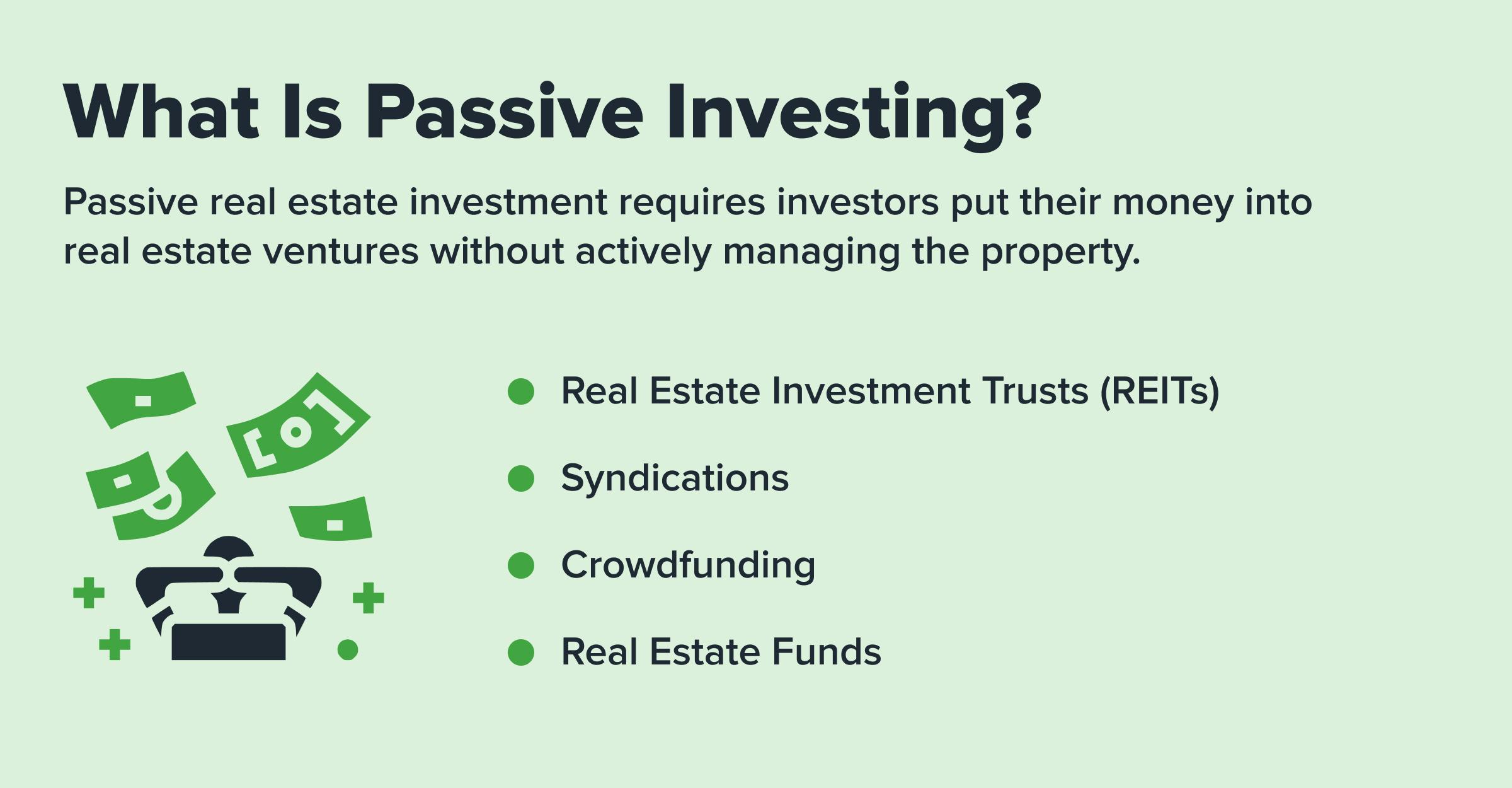
Passive real estate investing is an approach that allows individuals to generate income without being directly involved in the day-to-day operations of the property. This method often involves partnering with experienced investment firms or syndicators who manage the investment on behalf of the investors. By doing so, passive investors can enjoy the benefits of real estate without the stress of property management. This strategy is ideal for those who prefer to focus their time and energy on other ventures while still growing their wealth through real estate assets. Furthermore, it can provide greater liquidity compared to traditional active investing, as funds are usually allocated into a pool that is managed by experts.
The benefits of engaging in passive real estate investing are numerous and can appeal to a wide range of investors. Some of the key advantages include:
- Time Efficiency: Investors can allocate their time elsewhere while professionals handle the investment.
- Risk Mitigation: Experienced managers are likely to have better risk assessment strategies and market knowledge.
- Diversification: Passive investing allows for access to a broader range of properties and markets, reducing overall investment risk.
- Steady Cash Flow: Investors often receive regular distributions from rental income, enhancing their financial stability.
For those considering passive investment opportunities, understanding how funds are utilized can be insightful. Below is a simple overview of typical uses for funds pooled in a passive real estate investment:
| Use of Funds | Description |
|---|---|
| Property Acquisition | Funds are primarily allocated for purchasing income-generating properties. |
| Renovations | Capital is reserved for improving and upgrading properties to maximize rental income. |
| Operating Expenses | Funds cover day-to-day operational costs, ensuring smooth property management. |
| Distributions | Investors receive a percentage of the profits from rental income and property sales. |
Analyzing Active Investment Strategies for Maximum Returns
Active investment strategies in real estate involve a hands-on approach to managing properties, allowing investors to potentially achieve higher returns compared to passive methods. This approach requires a deep understanding of market trends, financial analysis, and property management. Investors can harness opportunities through strategies such as flipping properties, syndication, or direct ownership of rental units. The key to maximizing returns lies in:
- Market Analysis: Identifying up-and-coming neighborhoods with growth potential.
- Value-Add Improvements: Upgrading properties to enhance value and attract higher rents.
- Networking: Building relationships with other investors, agents, and contractors to gain insights and share opportunities.
For investors who thrive on engagement and quick decision-making, tools like data analytics can significantly inform active strategies. By utilizing technology, investors can track property performance, analyze cash flows, and predict market shifts effectively. Consider the following table that outlines various active strategies along with their potential risks and rewards:
| Active Strategy | Potential Risks | Potential Rewards |
|---|---|---|
| Flipping Properties | Price Volatility | Quick Profits |
| Syndication | Management Challenges | Diversified Investments |
| Long-Term Rentals | Market Sensitivity | Stable Cash Flow |
Evaluating Risk Factors in Passive and Active Real Estate Investments
When weighing the potential of passive versus active real estate investments, it’s essential to conduct a comprehensive evaluation of the associated risk factors. Passive investments, such as Real Estate Investment Trusts (REITs) or crowdfunding platforms, often offer an appealing level of accessibility and reduced hands-on management. However, they may expose investors to risks related to market volatility, such as fluctuations in property values and interest rates, as well as the creditworthiness of the underlying properties. In contrast, active investments, which often involve direct property ownership or property management, can provide more control over investment decisions and strategies. Yet, this comes with unique challenges including operational risks, market-dependent factors, and the inherent complexities of property maintenance and tenant relations.
To foster a clear understanding of these risk dimensions, consider the following comparisons:
| Investment Type | Key Risks |
|---|---|
| Passive Investing |
|
| Active Investing |
|
Ultimately, the risk assessment process should align with an investor’s individual goals, risk tolerance, and engagement level. An investor must weigh their preference for involvement against the inherent risks of each strategy, leveraging financial analyses and market intelligence to make informed decisions.
Strategic Recommendations for Balancing Passive and Active Approaches
To successfully navigate the landscape of real estate investing, a strategic plan that harmonizes both passive and active methodologies is essential. By investing in a diversified portfolio, investors can mitigate risks and maximize returns. It’s advisable to allocate a percentage of your funds to passive investments such as Real Estate Investment Trusts (REITs) or crowdfunding platforms, while maintaining a portion for active engagements like property management or direct acquisitions. This dual approach allows for steady income from passive sources while providing opportunities for capital appreciation through active involvement.
Moreover, fostering partnerships can augment your capabilities in both spheres. Consider establishing alliances with seasoned professionals who can manage properties or invest in multifamily developments, allowing you to tap into their expertise. To help guide your investment choices, here are several key factors to assess:
| Factor | Passive Investment | Active Investment |
|---|---|---|
| Time Commitment | Low | High |
| Control Level | Low | High |
| Risk Exposure | Variable | Higher |
| Potential Returns | Moderate | High |
Balancing these strategies not only spreads risk but also enhances overall return potential. By aligning your investment goals with your risk tolerance and time availability, you can create a robust portfolio that thrives in various market conditions.
The Conclusion
the choice between passive and active real estate investing strategies ultimately depends on individual goals, risk tolerance, and the level of involvement one desires. Passive investing offers the allure of a more hands-off approach, enabling one to benefit from real estate appreciation and cash flow without the daily responsibilities that come with property management. On the other hand, active investing provides a deeper engagement in the nuances of the market, potentially leading to higher rewards for those willing to put in the effort.
As the real estate landscape continues to evolve, it is essential for both seasoned investors and newcomers to stay informed about market trends, emerging opportunities, and the latest tools available for each strategy. By aligning your investment strategy with your personal financial objectives and lifestyle, you can position yourself for success in the dynamic world of real estate.
Ultimately, whether you choose to delve into the complexities of active investing or prefer the steady path of passive income, understanding the strengths and weaknesses of each strategy will empower you to make informed decisions. As you embark on your real estate journey, consider your options carefully, and choose the path that best suits your financial aspirations.