

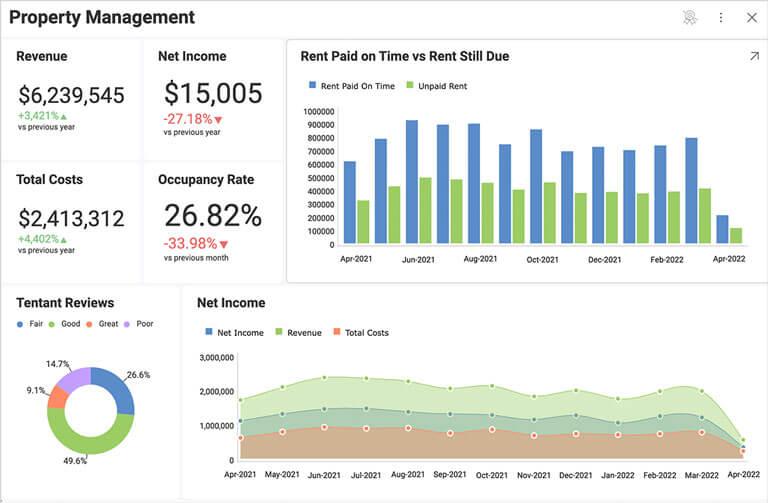
In the ever-evolving landscape of real estate, the integration of advanced analytics has emerged as a transformative force, reshaping how industry stakeholders approach decision-making. As market dynamics fluctuate and consumer preferences shift, the ability to leverage data-driven insights has become not merely beneficial but essential for navigating the complexities of property investment, development, and management. This article delves into the multifaceted role of real estate analytics today,exploring its impact on market forecasting,risk assessment,and operational efficiency. By unlocking insights hidden within vast datasets, real estate professionals can enhance their strategic initiatives, optimize resource allocation, and ultimately drive better outcomes. As we embark on this exploration, we will examine key trends, technological innovations, and case studies that illustrate how analytics is redefining the parameters of success in the real estate sector.
Table of Contents
- Understanding Real Estate Analytics and Its Impact on Market Dynamics
- Harnessing Data-driven Decision Making for Investment Strategies
- Leveraging Predictive Analytics for Enhanced Property Valuation
- Best Practices for Implementing real Estate Analytics in Operational Frameworks
- Wrapping Up
Understanding Real Estate Analytics and Its Impact on Market Dynamics
Real estate analytics represents a transformational shift in how market trends are interpreted and acted upon. By leveraging vast amounts of data, real estate professionals can gain valuable insights into buyer behaviors, property values, and market conditions. The integration of analytics allows for more precise forecasting and decision-making, enabling investors, developers, and agents to identify lucrative opportunities with greater accuracy. With tools such as predictive modeling and geographic information systems (GIS), stakeholders can visualize trends that were once hidden, leading to enhanced strategic planning and resource allocation.
The impact of this analytical approach on market dynamics is profound. Through the application of sophisticated metrics, stakeholders can assess criteria such as location desirability, economic indicators, and demographic shifts. Data-driven insights facilitate a deeper understanding of supply and demand fluctuations,influencing pricing strategies and investment timing. This not only enhances individual portfolio performance but also contributes to a more efficient and responsive real estate market overall. To illustrate the power of these insights, consider the following simplified overview of real estate trends:
| Trend | Impact on Market |
|---|---|
| Urbanization | Increases demand for residential units in city centers. |
| Sustainability | elevates property values for eco-friendly developments. |
| Remote Work | Shifts demand to suburban and rural markets. |
Harnessing Data-Driven Decision Making for Investment Strategies
The proliferation of real estate analytics has transformed the investment landscape,allowing investors to make informed,data-driven decisions that mitigate risk and enhance returns.By leveraging advanced data analytical tools, investors can access thorough market insights that help them identify trends, assess property values, and predict future market movements. Some of the key advantages of using real estate analytics include:
- Enhanced Market Understanding: investors gain a deeper insight into various market dynamics by analyzing demographic data, economic indicators, and local trends.
- Risk Mitigation: Data analytics enables pinpointing potential risks associated with specific investments, leading to more prudent decision-making.
- Investment Performance Metrics: Investors can track property performance through various metrics such as cap rate,ROI,and cash flow forecasts.
Furthermore,the integration of predictive analytics into investment strategies has enabled stakeholders to simulate different market scenarios and model potential outcomes. By utilizing machine learning algorithms and historical data analysis, investors can forecast shifts in property values, rental prices, and demand fluctuations. A simplified overview of potential predictive analytics applications is outlined in the table below:
| Predictive Analytics Application | Description |
|---|---|
| Market Trend Forecasting | Analyzing historical sales data to project future price movements. |
| Rental Income Projections | estimating future rental income based on current market conditions. |
| Demographic Shifts Analysis | Evaluating population trends to inform investment location strategies. |
Leveraging Predictive Analytics for Enhanced Property Valuation
Predictive analytics is revolutionizing the way property valuation is conducted, moving beyond conventional appraisal methods to incorporate real-time data trends and advanced algorithms. By analyzing historical sales data, economic indicators, and various property attributes, stakeholders can obtain a comprehensive view that directly influences valuation accuracy. Key benefits of utilizing predictive analytics in property valuation include:
- Data-Driven Insights: Enhanced decision-making through the aggregation of vast datasets.
- Market Trend Analysis: Identification of emerging patterns that can affect property prices.
- Improved Risk Assessment: Early detection of potential declines in property value.
Moreover, predictive models can factor in localized trends such as neighborhood developments, demographic shifts, and even environmental changes, providing a nuanced approach that traditional methods often overlook. For instance, consider the following table illustrating how predictive factors can impact property valuations:
| Factor | Impact on valuation |
|---|---|
| Neighborhood Growth | +15% |
| Market Demand | +10% |
| Infrastructure Development | +20% |
| Economic Downturn | -25% |
By combining various data points and leveraging sophisticated machine learning techniques, real estate professionals can not only enhance the accuracy of property valuations but also ensure they remain ahead of market shifts. This integration of analytics into property valuation is not just a trend; it’s a necessary evolution in an increasingly data-centric marketplace.
Best Practices for Implementing Real Estate Analytics in Operational Frameworks
Implementing real estate analytics effectively within operational frameworks requires a structured approach that aligns with the overall business strategy. Organizations should first ensure they define clear objectives for their analytics initiatives, aligning these goals with financial performance, customer satisfaction, or operational efficiency. Establishing a cross-functional team comprising IT, data scientists, and real estate professionals can enhance collaboration and ensure diverse perspectives contribute to the analytics process. Furthermore, creating a robust data governance policy to maintain data integrity and quality cannot be overlooked, as it forms the backbone of reliable analytics.
Once the foundational elements are in place, organizations should focus on leveraging advanced technologies and analytical techniques to extract actionable insights.This can include implementing machine learning models to predict market trends or utilizing geographic information systems (GIS) to identify optimal locations for investment. regularly reviewing and updating analytical tools and methodologies is crucial to adapt to changing market conditions. Additionally, fostering a data-driven culture within the organization will enable stakeholders to integrate insights into daily decision-making processes. Effective training and behavior modeling are essential in achieving this cultural shift.
Wrapping Up
the landscape of real estate is undergoing a profound change, driven by the strategic application of analytics. As we have explored throughout this article, the integration of data-driven insights empowers stakeholders—investors, developers, and policymakers alike—to make informed decisions that can enhance operational efficiency, mitigate risks, and capitalize on emerging opportunities. The advent of advanced analytical tools and techniques not only streamlines the decision-making process but also fosters a deeper understanding of market dynamics.
As we move forward,the importance of real estate analytics will only continue to grow,evolving with advancements in technology and data science. Embracing these insights will be critical for those aiming to thrive in an increasingly competitive surroundings. By leveraging robust analytics,real estate professionals can unlock a wealth of information that transcends traditional metrics,paving the way for innovative strategies and sustainable growth.
In a world where the only constant is change, the ability to harness and interpret real estate analytics will distinguish market leaders from the rest. As we stand at the forefront of this analytic revolution, it is imperative for industry participants to stay attuned to the evolving landscape and adopt these tools, ensuring they are well-positioned for success in the future.