

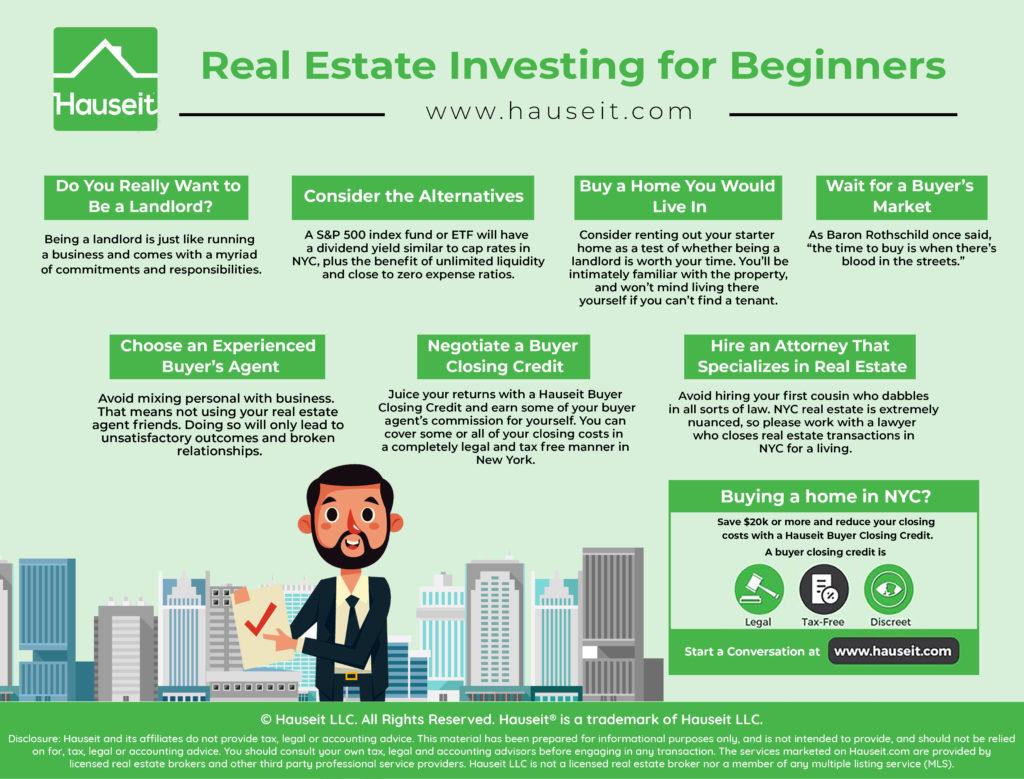
Introduction: navigating the Real Estate Landscape: An Essential Guide for Beginners
Embarking on a journey into the world of real estate can be both exciting and daunting for newcomers. with its myriad of opportunities and potential for significant financial reward, the real estate sector attracts countless aspiring investors, agents, and homeowners each year. Though,the complexities of market dynamics,legal regulations,financing options,and property management can easily overwhelm those unacquainted with the field. This essential guide aims to demystify the foundational aspects of real estate for beginners, providing a structured pathway to navigate the startup phase effectively. Whether you are looking to invest in residential properties, pursue a career as a real estate agent, or simply gain knowlege for personal endeavors, this comprehensive resource will equip you with the critical insights and practical strategies necessary to succeed in the competitive real estate market. Join us as we explore the key components of this dynamic industry and set the stage for a fruitful journey ahead.
Table of Contents
- Understanding the Real Estate Market Dynamics
- Key Financial considerations for New Investors
- Navigating Legalities and Regulations in Real Estate
- Building a Strong Network and Resources for Success
- Key Takeaways
Understanding the Real Estate Market Dynamics
To navigate the complexities of the property sector, grasping the underlying factors that shape market dynamics is crucial for any newcomer. Investors need to consider a variety of elements that influence property values and demand, including:
- Economic Indicators: metrics such as employment rates, inflation, and interest rates play a pivotal role in determining buying power and market health.
- Supply and Demand: Analyzing the balance between available properties and buyer interest can provide insight into price trends.
- Location Trends: Different neighborhoods may have varying levels of desirability, affected by factors like advancement plans, amenities, and proximity to key infrastructure.
Another essential aspect to consider is the impact of government policies and external market conditions. These can create both opportunities and challenges for real estate investors. For example:
| Influence Factor | Potential Impact |
|---|---|
| Interest Rates | Higher rates can reduce buyer affordability, while lower rates often stimulate demand. |
| Tax Incentives | Favorable tax policies can encourage investment and new developments in certain areas. |
| Market Trends | Monitoring shifts such as urban migration or remote work can help identify growth sectors. |
Key Financial Considerations for New Investors
Entering the real estate market can be both exhilarating and daunting, especially for new investors who might potentially be unsure of where to start financially. Understanding your budget is paramount. Begin by assessing your financial situation, including savings, potential for securing loans, and your credit score. This comprehensive evaluation allows you to establish a realistic budget for your property search and helps avoid overextending yourself financially. Key factors to keep in mind include:
- Down Payment: Understanding the percentage required according to the property type and location.
- Closing Costs: Typically 2-5% of the purchase price, this includes fees like inspections, appraisal, and realtor commissions.
- Ongoing Expenses: Account for property taxes, insurance, maintenance, and utilities.
Another crucial aspect for new investors to consider is cash flow management. Real estate investments should ideally generate positive cash flow, meaning income exceeds expenses. Exploring different financing options can greatly influence your cash flow scenarios. Here are essential financial metrics you should analyze:
| Metric | Description |
|---|---|
| Cap Rate | A measure of return on investment calculated by dividing net operating income by purchase price. |
| Cash-on-Cash Return | Measures the annual return on investment relative to the cash invested. |
| Debt Service Coverage Ratio (DSCR) | Evaluates the propertyS ability to generate enough income to cover debt obligations. |
Navigating Legalities and Regulations in Real Estate
Understanding the legal landscape is crucial for anyone embarking on a real estate journey. From property laws to zoning regulations, beginners must familiarize themselves with various legal aspects that govern real estate transactions. Key areas include:
- Property Ownership Laws: Different forms of ownership, such as freehold and leasehold, have distinct legal implications.
- Zoning Regulations: These dictate how properties can be used and frequently enough impact development plans.
- Disclosure Requirements: Sellers must inform buyers of known issues with the property, under various state laws.
- Contract Law: Understanding the basic components of a real estate contract can prevent disputes down the line.
Additionally, navigation through financing regulations is essential to avoid legal pitfalls. Prospective buyers should consider the following:
- Loan Types: Different mortgages carry varying legal implications, including terms regarding foreclosures and refinancing.
- Title Search: Conducting a thorough title search helps ensure that the property has a clear title, free of liens.
- Insurance Requirements: Understanding mandatory insurance types, such as homeowners insurance, is essential before finalizing a purchase.
Building a Strong Network and Resources for Success
In real estate,building connections is as crucial as closing deals. Establishing a strong network opens doors to various opportunities, from mentorship and referrals to market insights and collaboration. To cultivate your professional relationships, consider engaging with the following key individuals and groups:
- Real Estate Agents: collaborate with experienced agents to learn the nuances of the market.
- Financial Advisors: Team up with professionals who can assist you in structuring deals effectively.
- Local Investors: Connect with seasoned investors who can provide guidance and share best practices.
- Industry Associations: Join organizations that host networking events, workshops, and forums.
- Social Media Groups: Participate in online forums dedicated to real estate discussions and trends.
Utilizing resources can greatly enhance your learning curve. Leverage technology and available platforms to stay informed and improve your skills. Consider the following options:
| Resource Type | Description |
|---|---|
| Online Courses | Enroll in courses focusing on real estate fundamentals, investment strategies, and market analysis. |
| Podcasts | Listen to industry experts discuss trends, challenges, and triumphant strategies in real estate. |
| Books | Read titles by renowned authors to gain diverse perspectives on the market and investment tactics. |
| Webinars | Attend online seminars to hear from industry leaders and expand your knowledge asynchronously. |
Key Takeaways
As we conclude this essential guide for real estate beginners, it is clear that embarking on a journey in this dynamic industry requires both knowledge and strategic planning. Armed with the insights and tips outlined in this article, you are now better equipped to navigate the complexities of real estate investing. remember, success in this field is not merely about transactions; it’s about building relationships, understanding market trends, and employing a disciplined approach to growth.
As you take your first steps, stay informed, and continue to educate yourself through workshops, networking, and mentorship opportunities. The real estate landscape is ever-evolving, and adaptability is key to thriving in this competitive arena. Embrace the challenges ahead, and maintain your commitment to continuous learning and advancement.
Ultimately, your journey in real estate can be both rewarding and fulfilling. With patience and perseverance, the foundations you lay today can lead to a prosperous future.We wish you the best of luck as you embark on this exciting path—there’s no better time than now to start building your real estate empire. Thank you for reading, and may your journey be marked by success and achievement.