

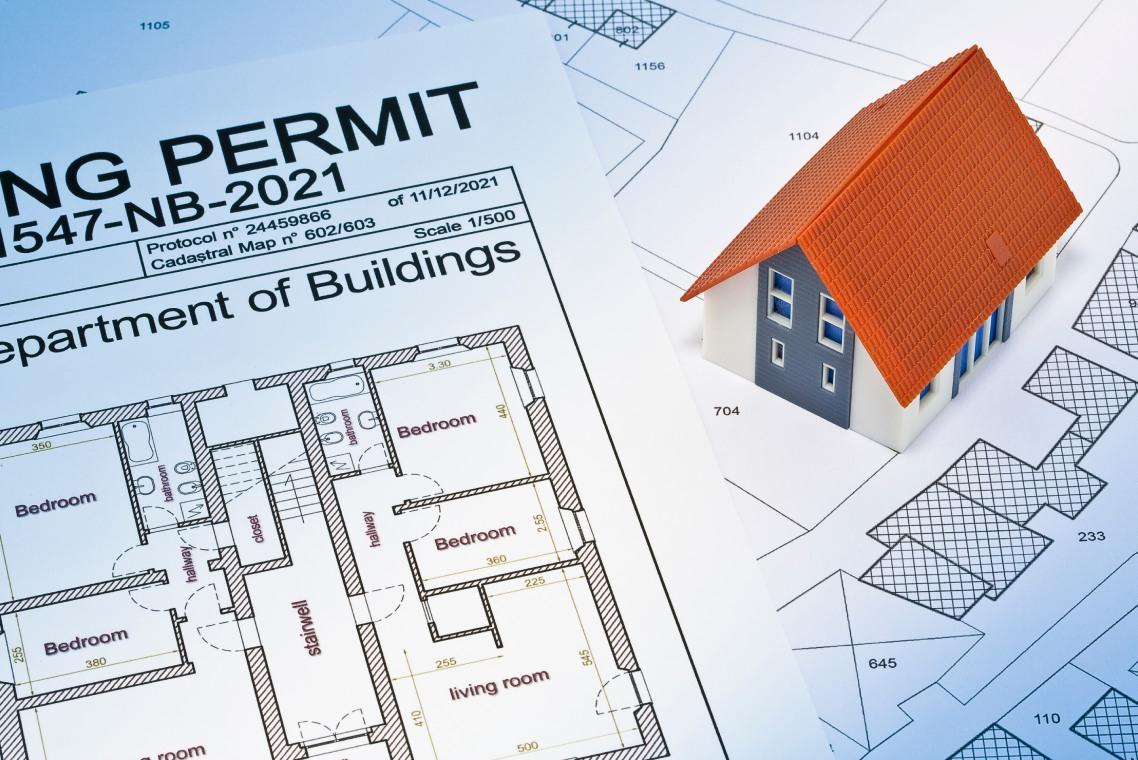
In the realm of real estate progress, understanding and adhering to zoning laws is of paramount importance. these regulations, which dictate how land can be utilized, play a crucial role in shaping communities, influencing property values, and ensuring sustainable growth.As developers embark on new projects, navigating the complexities of zoning laws can often be a daunting task, fraught with legal jargon and varying local ordinances. This guide aims to illuminate the intricacies of zoning laws, offering practical insights and expert advice to help real estate developers not only comply with existing regulations but also harness their potential to enhance the success of their projects. Through a complete examination of key concepts,strategies for effective engagement with local authorities,and tips for overcoming common challenges,this article serves as a valuable resource for both seasoned professionals and newcomers to the industry.
Table of Contents
- Understanding local Zoning regulations and Their Implications
- Strategies for Conducting Thorough Zoning Research
- Engaging with Local Authorities and Stakeholders Effectively
- Adapting Development Plans to Meet Zoning Requirements
- closing remarks
Understanding Local Zoning Regulations and Their Implications
Understanding local zoning regulations is crucial for real estate developers as these rules dictate how land can be used and what types of structures can be built. Each municipality has its own zoning laws, frequently enough outlined in a comprehensive zoning ordinance, which can cover aspects such as land use, building height, density, and setbacks. ignoring these regulations can lead to costly penalties,including fines and demolition orders. Therefore, developers must engage in thorough research and possibly consult with zoning experts to ensure compliance. Key elements to consider include:
- Type of zoning: Residential, commercial, industrial, or mixed-use.
- setback requirements: Minimum distance structures must maintain from property lines.
- Density restrictions: Maximum number of units permitted per acre.
- Special use permits: Additional permissions for specific projects.
Zoning regulations can also impact community amenities and overall project feasibility. For example, developers may need to consider how their proposed project aligns with local development goals and community plans. Engaging with community stakeholders and local planning departments can provide insight into potential challenges and opportunities. Below is a simplified example of typical zoning classifications and their implications:
| Zoning Classification | Common Uses | Height Limitations |
|---|---|---|
| Residential | Single-family homes, townhouses | 2-3 stories |
| Commercial | Shops, offices, restaurants | 3-5 stories |
| Industrial | Warehouses, factories | Up to 5 stories |
Strategies for Conducting Thorough Zoning Research
Conducting comprehensive zoning research requires a structured approach to ensure compliance and maximize opportunities. Start by consulting local zoning ordinances and regulations,which frequently enough detail land use classifications and restrictions specific to your area. It is indeed also advisable to cross-reference any upcoming amendments to understand potential changes that could impact your project. Furthermore,consider engaging with local planning departments to obtain insights directly from officials who oversee zoning matters. This interaction can provide valuable context and clarification on any ambiguous rules. Here are some key steps to take:
- Study local zoning codes – Familiarize yourself with the specific language and intent behind the regulations.
- Review comprehensive plans – Look for long-term community goals to align your project accordingly.
- Attend public meetings – participating in city council or planning commission meetings can keep you informed about community sentiments.
Utilizing technological resources can enhance your research efforts. Explore online databases and mapping tools that provide up-to-date zoning facts and overlays.Websites such as GIS platforms allow for visual representations of zoning districts, which can be invaluable for spatial analysis. Additionally, consider collaborating with professionals who specialize in zoning compliance, such as urban planners or land use attorneys. Their expertise can further streamline your research and bolster your development strategy. To illustrate the types of zoning classifications, refer to the following table:
| Zoning Classification | description |
|---|---|
| Residential | Areas designated for housing, including single-family homes and multi-family units. |
| Commercial | Zones set aside for business activities such as retail, offices, and services. |
| Industrial | Regions allocated for manufacturing, warehousing, and distribution facilities. |
| Agricultural | Land primarily used for farming, ranching, or other agricultural activities. |
Engaging with Local Authorities and Stakeholders Effectively
Establishing open lines of interaction with local authorities and stakeholders is crucial for the success of any real estate project. Engaging with these parties effectively involves understanding their perspectives and addressing their concerns directly. Developers should prioritize building relationships by attending community meetings,participating in public forums,and seeking feedback on proposed projects. Key strategies for fostering this engagement include:
- Regular updates: Keep stakeholders informed about project progress and any changes to plans.
- Listening sessions: Host meetings where community members can voice their opinions and concerns.
- Transparent communication: Provide clear, accessible information, including how the project benefits the community.
- Collaboration initiatives: Consider forming partnerships with local organizations to enhance project visibility.
Moreover, understanding the regulatory landscape can deepen the relationship with local authorities. It is beneficial to familiarize oneself with zoning laws, permitting processes, and any other regulations pertinent to the project. A collaborative approach can prevent misunderstandings and delays. Below is a simple table highlighting potential benefits of collaborating with local authorities:
| Benefit | Description |
|---|---|
| Streamlined Process | Faster approvals and less red tape through mutual understanding. |
| Community Support | Increased local backing can lead to smoother project execution. |
| Risk Mitigation | Proactive communication helps identify and address potential issues early. |
Adapting Development Plans to meet Zoning Requirements
When embarking on a new development project, it is imperative for real estate developers to ensure that their plans align with local zoning regulations.ignoring zoning requirements can not only stall a project but also lead to costly legal challenges and reputational damage. Thus, taking the time to review and adapt development plans in accordance with these regulations is crucial. Key steps include:
- Conducting thorough research on zoning laws relevant to the project area.
- Engaging local authorities early in the planning process to clarify any uncertainties.
- Implementing flexible design elements that can meet varying zoning stipulations.
Moreover, developers should consider creating a comprehensive matrix to visualize how their plans meet specific zoning requirements. This can serve as a useful reference throughout the development process, allowing for adjustments as needed. A simple version might look like the following:
| Requirement | Proposed Plan | Compliance Status |
|---|---|---|
| Building Height | 35 feet | ✅ Compliant |
| Setback Distances | 10 feet from property line | ✅ Compliant |
| Parking Spaces | 25 spaces required | ❌ Non-compliant (20 proposed) |
By using such tools and refining their development concepts to satisfy zoning laws, real estate developers can enhance the viability of their projects and ensure smoother approvals.Maintaining open lines of communication with planning offices and local stakeholders will also reinforce partnerships that may facilitate future developments.
Closing Remarks
navigating zoning laws is an essential, albeit complex, aspect of real estate development that can significantly influence the success of a project. We hope this guide has provided you with valuable insights into the intricacies of zoning regulations and has equipped you with practical strategies to effectively address them. As you embark on your development journey, remember that thorough research, clear communication with local authorities, and proactive engagement with community stakeholders are essential to facilitating a smooth development process. With careful planning and consideration of zoning laws, you can not only maximize your project’s potential but also contribute positively to the communities in which you develop. Should you require further assistance or need to stay updated on changes in zoning regulations, we encourage you to reach out to local planning offices or consult with experienced professionals in the field. thank you for exploring this critical aspect of real estate development with us.