

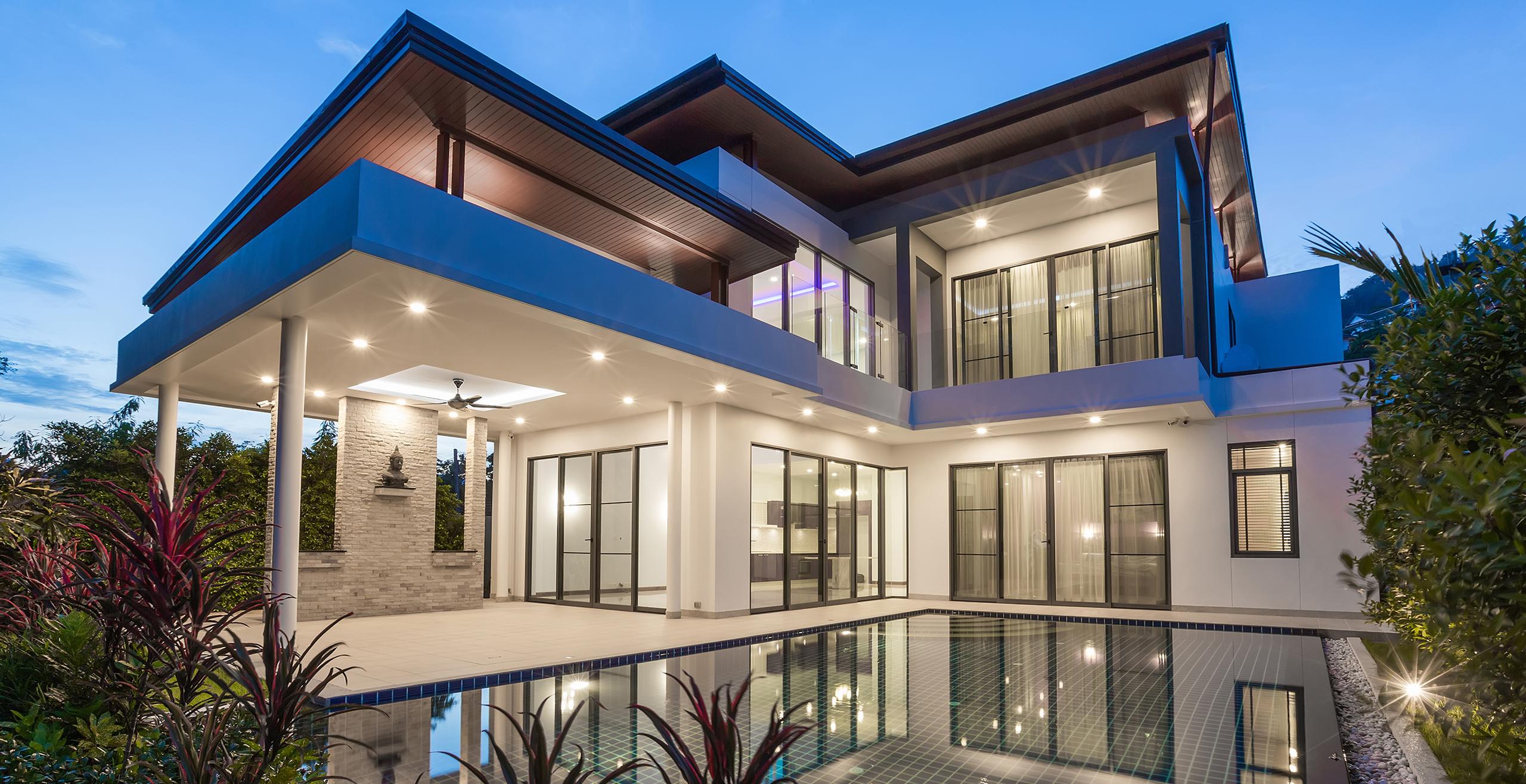
In today’s dynamic financial landscape, luxury real estate has emerged as not just a status symbol but a significant avenue for investment. As global wealth continues to concentrate and the demand for high-end properties intensifies, understanding the nuances of this market is more important than ever.From the glittering skyline of urban penthouses to secluded coastal villas, luxury properties represent both a haven for affluent individuals and a strategic investment chance. In this article, we will explore the latest trends shaping the luxury real estate market, analyze the implications for investors, and highlight key factors to consider when entering this exclusive sector. Weather you’re an experienced investor or new to the real estate game, staying informed on these developments can help you make astute decisions that align with your financial goals. Join us as we delve into the intricate world of luxury real estate and uncover the opportunities that lie within.
Table of contents
- Navigating Market Trends in Luxury Real Estate Investment
- Understanding Buyer Demographics and Preferences
- Key Factors Influencing Luxury Property Valuation
- Strategic Recommendations for Successful luxury Real estate investment
- Concluding Remarks
Navigating Market Trends in Luxury Real Estate Investment
Navigating the current landscape of luxury real estate investment requires a keen understanding of evolving market trends and consumer preferences. Investors are increasingly drawn to properties that not only showcase opulence but also emphasize sustainability and smart technology. This shift is partly driven by affluent buyers who prioritize eco-friendly features and energy-efficient designs, recognizing their value both in terms of living experience and long-term investment potential. As a result, properties that integrate high-quality materials and smart home systems are seeing heightened demand, often commanding premium prices in the market.
Moreover, location continues to play a pivotal role in luxury real estate, with growing interest in underserved areas that offer unique features such as nature access, historical significance, or cultural vibrancy. The impact of remote work trends has also influenced buyer choices, leading many to seek residences in suburban or rural settings, where spaciousness and privacy are paramount. Investors should consider the following key factors when assessing prospective acquisitions:
- Market Research: Analyze local market dynamics, future development projects, and economic indicators.
- Investment Diversification: Explore various property types, from condominiums to single-family homes, to spread risk.
- Community Trends: Evaluate the appeal of neighborhoods that are attracting affluent demographics.
Understanding Buyer Demographics and preferences
To effectively navigate the luxury real estate market, it is indeed crucial to grasp the intricacies of buyer demographics and their evolving preferences. Luxury buyers today are not a monolithic group; they encompass a diverse range of ages, backgrounds, and motivations.For instance, millennials are increasingly entering the luxury realm, driven by their desire for unique, experiential living spaces that align with their values of sustainability and technology integration. in contrast, older generations may prioritize privacy, exclusivity, and conventional design elements. Understanding these segments allows real estate professionals to tailor their offerings to meet the specific wants and needs of potential buyers.
As buyers seek not just homes but also a lifestyle, preferences reflect broader trends in luxury living. key characteristics that today’s buyers often prioritize include:
- Location: Proximity to urban amenities and natural landscapes.
- Smart Home Features: Integration of advanced technology for convenience and security.
- Health and Wellness Amenities: Interest in properties that support an active, healthy lifestyle such as gyms, spas, and outdoor spaces.
Additionally, an understanding of how economic factors influence buyer behavior can be beneficial. The following table illustrates some of the trends affecting buying choices:
| Trend | Implication |
|---|---|
| Emphasis on Sustainability | Increased demand for eco-friendly materials and energy-efficient homes. |
| Remote Work Acceptance | A surge in interest for properties outside urban centers, offering space and tranquility. |
| Aging Population | Growing market for single-level homes and accessibility-focused designs. |
key Factors Influencing Luxury Property Valuation
When it comes to evaluating luxury properties, several distinct factors play a pivotal role in determining their market value.One of the most significant aspects is location. Properties situated in desirable neighborhoods—close to upscale amenities, cultural landmarks, or prestigious schools—often fetch higher prices due to increased demand. Additionally, proximity to waterfronts or scenic views can enhance a property’s allure and, consequently, its valuation. Othre critical elements include the overall aesthetic appeal and architectural design of the property, which can significantly impact buyer perception and willingness to invest. Unique characteristics, such as historical significance or contemporary innovations, also contribute to the exclusivity and attractiveness of luxury real estate.
Beyond physical attributes, factors like market trends and economic conditions are vital in shaping luxury property values. The state of the economy can heavily influence buyer confidence and purchasing power, with affluent buyers being more sensitive to broader financial fluctuations. Additionally, changing social dynamics, such as a rise in remote work, can lead to a shift in demand for certain types of properties, like those with dedicated home office spaces.Consider the following table that highlights how these factors align with current luxury market trends:
| Factor | Impact on Valuation |
|---|---|
| Location | Higher demand leads to increased prices |
| Aesthetic Appeal | Unique design enhances buyer attraction |
| market trends | Economic shifts influence buyer behavior |
| Social Dynamics | Changing lifestyles affect property desirability |
Strategic Recommendations for Successful Luxury Real Estate Investment
To thrive in the realm of luxury real estate investment, it’s essential to adopt a strategic approach that aligns with market dynamics and buyer preferences. Investors should consider focusing on emerging markets where luxury developments are on the rise, as these areas often present untapped potential and higher ROI. Additionally, staying informed about global economic trends and shifting demographics can provide insights for identifying the best opportunities. Engaging with local experts, such as real estate agents and market analysts, can enhance your understanding of particular neighborhoods and their growth trajectories. Utilize advanced market analysis tools to track property valuations and rental yield trends, ensuring data-driven decision-making.
Another key to successful luxury real estate investment is the differentiation of your property through unique selling propositions (USPs). This involves creating properties that resonate with the lifestyle aspirations of affluent buyers. Elements that can elevate your offerings include smart home technologies, lasting building practices, and exceptional architectural designs. Consider the following factors when positioning your property in the market:
- Location: Proximity to amenities, prestige school districts, and an attractive habitat.
- Design: High-quality finishes and innovative layouts that cater to modern living.
- Experience: Providing exclusive lifestyle experiences, such as private access to local events or concierge services.
Concluding Remarks
As we wrap up our exploration of investing in luxury real estate, it’s clear that this sector not only reflects the current economic landscape but also sets the stage for future investment trends. from the increasing demand for sustainable properties to the impact of global events on buyer behavior, understanding these factors is vital for making informed decisions in this competitive market.
Luxury real estate investing presents unique opportunities for growth and diversification, but it also comes with its own set of challenges. With careful research and strategic planning, investors can navigate the complexities of this dynamic industry. staying ahead of the trends will allow you not only to capitalize on lucrative opportunities but also to build a portfolio that stands the test of time.
As the luxury market continues to evolve, so should your investment approach. Whether you’re a seasoned investor or just starting out, embracing these trends will be crucial in maximizing your returns and ensuring long-term success. We encourage you to keep these insights in mind as you embark on your luxury real estate journey. Happy investing!