

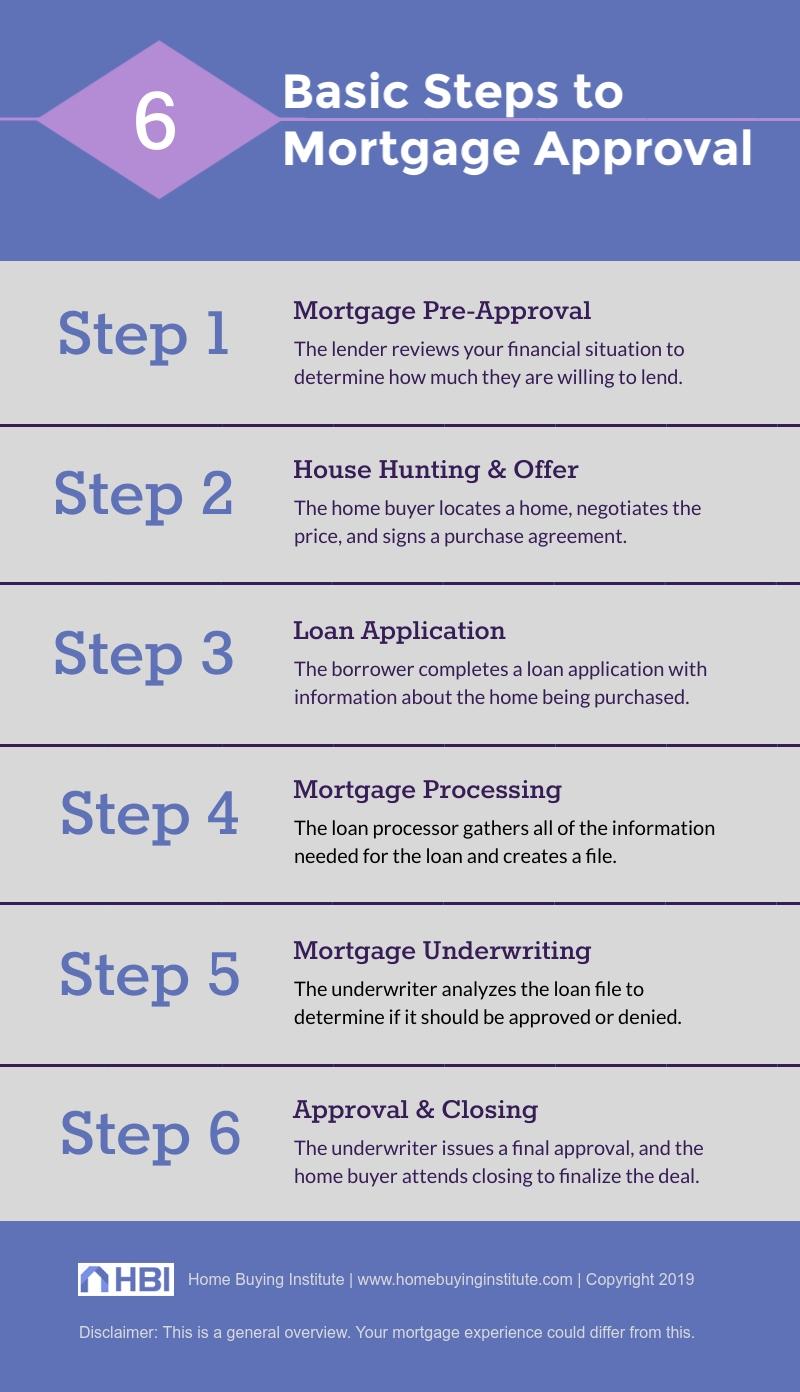
Navigating the mortgage process can often feel overwhelming, especially for first-time homebuyers who are venturing into a complex financial landscape for the first time. With a myriad of options, regulations, and terminologies to comprehend, itS crucial for aspiring homeowners to equip themselves with the necessary knowledge to make informed decisions. This essential guide aims to demystify the mortgage process by outlining key steps, vital considerations, and critical insights that will empower first-time buyers to approach their home purchase with confidence. From understanding different types of mortgage products to preparing financial documents and securing pre-approval, this article will serve as a comprehensive resource to facilitate a smoother homebuying experience.
Table of Contents
- Understanding Mortgage Types and Their Implications
- Preparing Your finances for a Successful Mortgage Application
- Navigating the Approval Process and Overcoming Common Challenges
- Tips for Comparing Offers and Making the Right Choice
- Key Takeaways
Understanding Mortgage Types and Their Implications
When embarking on the mortgage process, it’s essential to understand the various types available, as each comes with distinct features and implications. Fixed-rate mortgages are among the most popular choices, where the interest rate remains constant throughout the loan term, providing predictability for monthly payments. alternatively, adjustable-rate mortgages (ARMs) offer lower initial rates that can fluctuate based on market conditions after a set period, potentially leading to lower payments in the early years but higher costs later on. each option has its benefits and drawbacks, and the decision largely depends on your financial situation and long-term goals.
Othre notable mortgage types include FHA loans, which are backed by the Federal housing Administration and designed to assist first-time buyers with lower credit scores and down payments, and VA loans, available to veterans and active-duty service members, typically requiring no down payment. Furthermore, jumbo loans exceed the limits set by Freddie Mac and Fannie mae, often necessitating a larger down payment and stricter credit requirements. Below is a brief comparison of these mortgage types:
| Mortgage Type | Key Features | best For |
|---|---|---|
| Fixed-rate | Consistent monthly payments; interest rate locked | Budget-conscious buyers |
| Adjustable-rate (ARM) | Initial lower rates; can increase over time | short-term buyers |
| FHA loans | Low down payments; flexible credit requirements | First-time homebuyers with lower income |
| VA loans | No down payment; no private mortgage insurance | Veterans and military personnel |
| Jumbo loans | Higher loan amounts; stricter qualification | High-value property buyers |
Preparing Your Finances for a Successful Mortgage Application
before you embark on the mortgage application process, it’s paramount to prepare your finances to enhance your chances of approval.Start by checking your credit score, as it plays a crucial role in lenders’ decisions. A score of 620 or above is generally favorable,but aiming for a higher score can secure better interest rates. To improve your score, focus on paying down existing debts, making timely payments, and avoiding new credit inquiries. Additionally, gather essential financial documents, including:
- Tax returns – The last two years
- Pay stubs – Recent ones covering the last month
- Bank statements – Last three months
- Proof of additional income – Any bonuses, rental income, etc.
Next, it’s critical to establish a budget that aligns with your potential mortgage payments, property taxes, and insurance. ensure that you account for all costs associated with homeownership. A good rule of thumb is that your total housing expense should not exceed 28% of your gross monthly income. Consider utilizing a table to project these expenses:
| Expense Type | Estimated Monthly Cost | Percentage of Income |
|---|---|---|
| Mortgage Payment | $1,200 | 20% |
| Property Taxes | $300 | 5% |
| Home Insurance | $100 | 2% |
| Total Housing Expense | $1,600 | 27% |
Navigating the Approval Process and Overcoming Common Challenges
Understanding the approval process is crucial for first-time buyers, as it sets the foundation for a successful mortgage experience. Start by gathering all necessary documentation, including pay stubs, tax returns, and bank statements. This preparation not only expedites your application but also helps identify any potential issues early on. Don’t shy away from discussing your financial situation with your lender; they can offer guidance tailored to your circumstances. Keep in mind that credit scores substantially impact interest rates and loan eligibility, so take the time to review your report and rectify any discrepancies.
Throughout the approval journey, challenges may arise. Here are some common hurdles and suggestions to overcome them:
- Credit issues: If your credit score isn’t where it needs to be, consider working on paying down debts or becoming an authorized user on a responsible person’s account.
- Inadequate Income Documentation: Ensure you have up-to-date, accurate financial records; ask your lender about specific documentation requirements.
- Property Appraisal Discrepancies: if the appraisal comes in lower than expected,be prepared to negotiate with the seller or re-evaluate your pricing strategy.
| Challenge | Solution |
|---|---|
| Low Credit Score | Improve your score by reducing debt and timely bill payments. |
| Insufficient Income Verification | Gather all necessary financial documents ahead of time. |
| High Debt-to-Income Ratio | Consider paying down current debts before applying. |
| Appraisal Concerns | Reassess your offer or negotiate terms based on the appraisal. |
Tips for Comparing Offers and Making the Right Choice
When comparing mortgage offers, it’s essential to look beyond just the interest rate. Consider the following factors to ensure you’re making an informed decision:
- Loan Terms: review the length of the loan and any penalties for early repayment.
- Fees and Closing Costs: Account for origination fees, appraisal fees, and any other additional charges that can impact your overall cost.
- Monthly Payments: Calculate how much you will pay each month and how it fits within your budget.
- Adjustment Period: If considering an adjustable-rate mortgage,understand how often the rate can change and by how much.
As you narrow down your options, it can be helpful to create a comparison table.Here’s a simple breakdown:
| Mortgage Lender | Interest Rate | Loan Term | Fees | Monthly Payment |
|---|---|---|---|---|
| Lender A | 3.5% | 30 years | $3,000 | $1,400 |
| Lender B | 3.75% | 30 years | $2,500 | $1,450 |
| Lender C | 3.25% | 15 years | $4,000 | $1,800 |
After assembling this data, evaluate each option based on your financial goals and preferences.Seek advice from professionals if needed, to clarify any misunderstandings and solidify your understanding of the choices before you. Making the right choice now can save you significant amounts of money in the future.
Key Takeaways
navigating the mortgage process as a first-time buyer can seem daunting, but with the right knowledge and preparation, it becomes a manageable journey. By understanding the various types of mortgages, getting pre-approved, and being aware of the associated costs, you can position yourself for success. Remember to conduct thorough research, compare options, and seek guidance when necessary. The key to a smooth mortgage experience lies in being informed and proactive. We hope this essential guide has equipped you with the tools needed to make confident decisions as you embark on this significant financial commitment. With careful planning and consideration, you can achieve your dream of homeownership and take a crucial step towards building your future.