

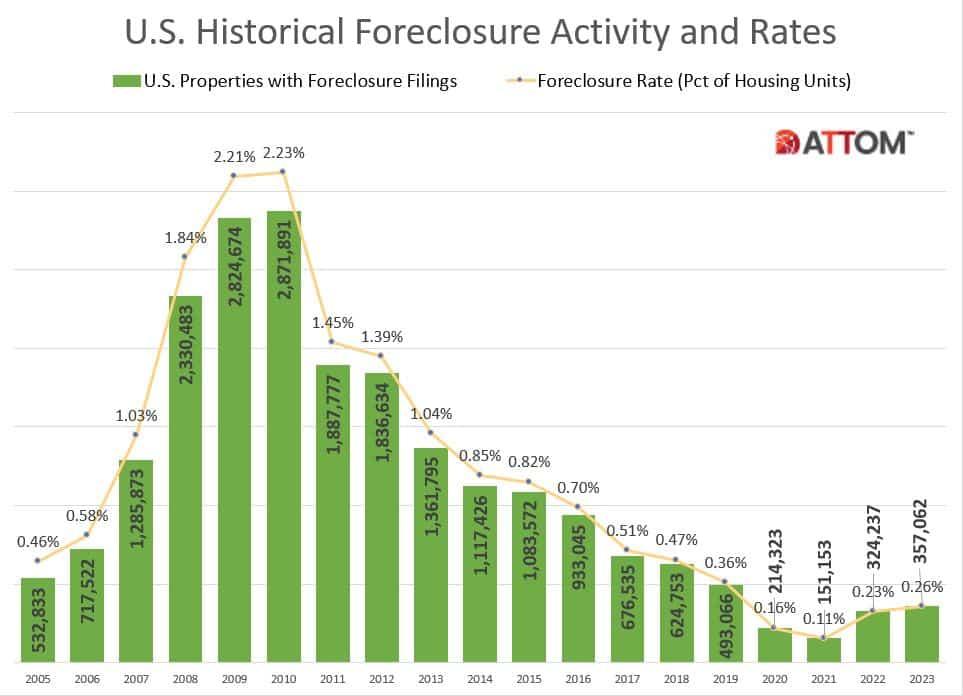
Introduction:
In the realm of real estate and economic stability, foreclosure rates serve as a critical indicator of market health and consumer confidence.As we navigate thru 2023, the fluctuations in these rates reflect not only the continuing reverberations of the pandemic but also the broader economic shifts influenced by factors such as inflation, interest rate adjustments, and evolving housing demand. This article aims to dissect the foreclosure landscape of the current year, drawing upon thorough data analysis to unveil underlying trends and their implications for stakeholders, including homeowners, investors, and policymakers. By examining the intricacies of foreclosure rates, we can better understand the economic forces at play, evaluate their potential impact on the housing market, and anticipate future developments in an increasingly volatile environment. Through a meticulous exploration of regional variances, demographic influences, and comparative historical data, we seek to provide a nuanced perspective on this pressing issue, equipping readers with the insights necessary to navigate the complexities of the current housing climate.
Table of Contents
- Understanding the Factors Driving Foreclosure Rates in 2023
- Analyzing Regional Variations in Foreclosure Trends
- Impacts of Economic Conditions on Homeowner Default Rates
- strategic Recommendations for Mitigating Foreclosure Risks
- In Retrospect
Understanding the Factors Driving Foreclosure Rates in 2023
The foreclosure landscape in 2023 is shaped by a confluence of factors that reflect broader economic realities.Interest rates have seen important fluctuations, directly impacting mortgage affordability.As central banks reacted to inflationary pressures, the rise in rates has strained homeowners with adjustable-rate mortgages, increasing the likelihood of default.Additionally, job market dynamics have played a crucial role; sectors undergoing layoffs and wage stagnation have left many homeowners vulnerable, leading to increased defaults and subsequent foreclosures. Understanding these elements is paramount for stakeholders who seek to navigate the complexities of the real estate market effectively.
Moreover, government policies and relief programs instituted during and after the pandemic have created a temporary buffer against foreclosures.However, the expiration of these measures has caused a resurgence in foreclosure actions. Homeowners who previously benefitted from forbearance may now encounter challenging choices as their financial situations evolve. The demographic trends also paint a telling picture, with younger buyers facing challenges obtaining financing, and older homeowners possibly unable or unwilling to downsize. The following table summarizes key factors contributing to foreclosure rates in 2023:
| Factor | Impact on Foreclosure Rates |
|---|---|
| Interest rates | Higher rates increase monthly payments, leading to defaults |
| Job Market Instability | Layoffs and wage stagnation heighten risks of default |
| Policy Changes | Expiration of relief measures causes surge in foreclosures |
| Demographic Shifts | Homeownership challenges emerge for younger buyers |
Analyzing Regional Variations in Foreclosure Trends
The landscape of foreclosure rates in 2023 has highlighted significant disparities across different regions, influenced by a myriad of factors including local economies, housing markets, and demographic shifts. As a notable example, areas with robust job growth and increasing wages have generally experienced lower foreclosure rates. In contrast, regions suffering from economic downturns, such as those heavily reliant on a single industry, exhibited a worrying surge in foreclosures. This situation creates pressing challenges for policymakers and stakeholders in these regions, necessitating targeted interventions to stabilize housing markets and protect vulnerable homeowners.
Understanding the distinct factors at play across regions requires a nuanced approach to data analysis. Consider the following key elements influencing foreclosure trends:
- Economic Stability: Areas with diverse economies tend to show resilience against foreclosure spikes.
- Housing Supply: Regions with an oversupply of homes may experience higher rates of foreclosure.
- Demographics: Shifts in population, notably among young adults and families, impact demand and housing stability.
- Legislation: Local laws affecting mortgage lending practices can either mitigate or exacerbate foreclosure rates.
| Region | Foreclosure Rate (%) | Economic Indicator |
|---|---|---|
| Midwest | 1.5 | Stable employment Growth |
| South | 3.2 | High Unemployment Rates |
| West | 2.1 | Strong Housing Demand |
| Northeast | 1.8 | Persistent Economic Challenges |
Impacts of Economic Conditions on Homeowner Default Rates
Economic conditions play a pivotal role in shaping the financial landscapes of homeowners, influencing their ability to meet mortgage obligations. A thriving economy often correlates with increased employment rates and consumer confidence, which translates to lower default rates.Conversely, during periods of economic downturn, factors such as rising unemployment, inflation, and decreased disposable income can substantially elevate the risk of homeowner defaults. Homeowners may find themselves unable to meet increasing loan payments or facing financial strain from unforeseen emergencies,leading to a ripple effect across the housing market.
The following aspects illustrate how economic conditions impact default rates:
- Employment Levels: high unemployment results in reduced income security, increasing the likelihood of default.
- Interest Rates: rising interest rates can make existing mortgages more expensive, straining budgets.
- inflation: Inflation erodes purchasing power, making it difficult for homeowners to balance their monthly expenses.
- access to Credit: Tighter lending standards during economic uncertainty can limit refinancing options for struggling homeowners.
To provide a clearer picture of these dynamics, the table below summarizes key economic indicators and their correlation with homeowner default rates:
| Economic Indicator | Impact on Default Rates |
|---|---|
| Unemployment rate | Positive correlation—higher rates lead to more defaults |
| Interest Rates | Increased rates can spur defaults, especially among variable-rate mortgage holders |
| Inflation Rate | as input costs rise, defaults may increase due to tighter household budgets |
| Consumer Confidence | Lower confidence can lead to higher defaults as spending decreases |
Strategic Recommendations for Mitigating Foreclosure Risks
To effectively mitigate foreclosure risks, stakeholders must adopt a multifaceted approach. Homeowners can benefit from enhanced financial literacy programs that educate them about smart financial management, improving their ability to handle their mortgages responsibly. Additionally, lenders should consider implementing more flexible loan modification options for borrowers experiencing temporary financial hardships, such as adjustable repayment plans or interest-only periods. Government agencies may also play a critical role by promoting policies that encourage more affordable housing initiatives, which could lessen the financial burden on lower-income families and, in turn, reduce foreclosure rates.
Furthermore, collaborative efforts between financial institutions and community organizations can create support networks to assist homeowners at risk. These partnerships can facilitate access to crucial resources including foreclosure prevention counseling, legal assistance, and financial aid programs. A comprehensive strategy should also involve the utilization of technology to monitor and analyze market conditions, enabling proactive measures to be taken early when trends indicate an uptick in foreclosure risks.
| Strategy | Description |
|---|---|
| Financial Literacy Programs | Education to improve money management skills for homeowners. |
| Loan Modifications | Flexible repayment options for borrowers facing hardships. |
| Affordability Initiatives | Policies promoting affordable housing for low-income families. |
| Technology Utilization | Monitoring market conditions for early intervention. |
In retrospect
the examination of foreclosure rates in 2023 reveals a complex landscape shaped by a myriad of economic factors, policy decisions, and evolving market dynamics. As we navigate this multifaceted issue, it is indeed evident that while certain regions experience alarming surges in foreclosures, others demonstrate resilience against economic pressures. The interplay between interest rates, housing supply, and employment trends continues to inform the trajectory of the housing market.
Moving forward,stakeholders—including policymakers,financial institutions,and homebuyers—must remain vigilant and proactive. Understanding the underlying causes of foreclosure trends will be vital in developing effective interventions that can mitigate financial distress and support struggling homeowners. As we analyze these patterns, it is indeed crucial to keep abreast of developments in the economic landscape, as they will undoubtedly influence future foreclosure rates.
Ultimately, this analysis not only underscores the significance of monitoring foreclosure trends but also highlights the need for collective efforts to address the challenges posed by housing instability. Continued research and discourse in this domain will be essential for fostering a more equitable and sustainable housing market in the years to come.