

Introduction
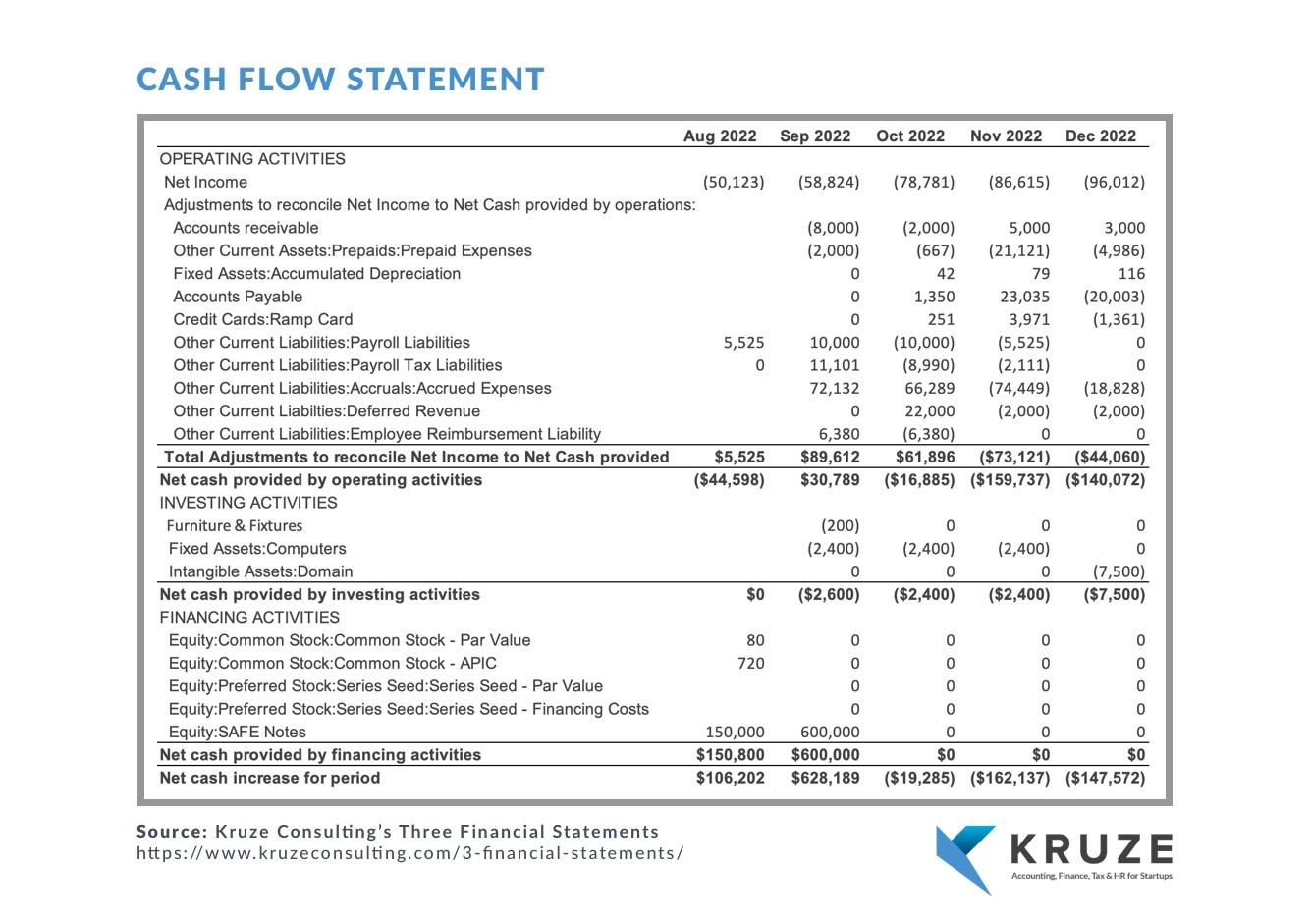
In the complex landscape of real estate financing,the evaluation of cash flow emerges as a fundamental component that directly influences investment decisions and asset management strategies. Cash flow, the movement of money into and out of a property, serves as a critical indicator of operational performance and financial viability. Investors, lenders, and financial analysts alike rely on rigorous cash flow analysis to assess risk, determine property valuation, and formulate financing structures that align with long-term investment objectives. This article delves into the methodologies for evaluating cash flow in the context of real estate financing,exploring key metrics,potential pitfalls,and best practices that enhance financial forecasting and decision-making. By understanding and applying comprehensive cash flow evaluation techniques, stakeholders can better navigate the intricate dynamics of real estate markets, ensuring sustainable growth and profitability in thier investment portfolios.
Table of Contents
- Evaluating Cash Flow: Understanding Its Impact on Investment Returns
- Key Metrics for Cash Flow Analysis in Real Estate Transactions
- Strategies for Optimizing Cash Flow in property Management
- Risk Assessment: Balancing Cash Flow Projection with Market Conditions
- The Way Forward
Evaluating cash Flow: Understanding its Impact on Investment Returns
Understanding cash flow is crucial for any real estate investor as it directly influences investment returns. Cash flow consists of the net amount of cash being transferred into and out of your property, which can substantially effect financial health and growth prospects. When evaluating potential investments, consider key components such as:
- Rental Income: The primary source of cash flow, affected by market demand and property occupancy.
- Operating Expenses: Ongoing costs such as maintenance, property management fees, and utilities that impact net income.
- Financing Costs: Mortgage payments, interest rates, and other financing options that reduce available cash flow.
Assessing cash flow allows investors to gauge the sustainability of their properties and make informed decisions about reinvestment or financing.A positive cash flow indicates that the property generates enough income to cover expenses while leaving room for profit. Conversely, negative cash flow can signal potential issues. Use the following table to weigh the importance of cash flow management:
| Cash Flow Management Aspect | Impact on Investment |
|---|---|
| Consistent Monitoring | Identifies trends and allows for proactive adjustments. |
| Expense control | Enhances profitability by minimizing unneeded costs. |
| Income Diversification | Reduces risk and stabilizes cash flow through multiple revenue streams. |
Key Metrics for Cash flow Analysis in Real Estate Transactions
When conducting a thorough cash flow analysis in real estate transactions, several key metrics can illuminate the profitability and viability of an investment. Net Operating Income (NOI) serves as a foundational indicator, representing the total revenue generated from a property minus the operating expenses. This metric is crucial as it helps investors understand the cash flow available for debt servicing and equity returns. Another essential metric is the Capitalization Rate (cap Rate), which is calculated by dividing the NOI by the propertyS purchase price. The Cap Rate provides a snapshot of the expected return on investment, allowing investors to compare potential properties within the market effectively.
Furthermore, Cash on Cash Return (CoC) is another pivotal measurement, reflecting the annual pre-tax cash flow relative to the total cash invested. This metric is particularly useful in assessing the performance of leveraged investments. Investors should also monitor the debt Service coverage Ratio (DSCR), which indicates a property’s ability to cover its debt obligations through available income. A ratio above one signals that there is sufficient income to manage debt payments, while a value below one raises red flags.
| Metric | Description |
|---|---|
| Net Operating Income (NOI) | Total revenue minus operating expenses. |
| Cap Rate | NOI divided by purchase price. |
| Cash on Cash Return (CoC) | annual cash flow divided by total cash invested. |
| Debt Service Coverage Ratio (DSCR) | NOI divided by total debt service. |
Strategies for Optimizing Cash Flow in Property Management
Effective cash flow management is crucial for property management professionals aiming to maintain financial stability and maximize profitability. to enhance cash flow, consider implementing the following strategies: regularly review rental rates to ensure they remain competitive yet profitable; establish clear payment terms and enforce late fees to encourage timely rent payments; and conduct thorough tenant screening to minimize the risk of defaults.Additionally, maintaining open dialog with tenants fosters a positive relationship, possibly leading to more consistent payments.
Another vital aspect of optimizing cash flow is to monitor expenses rigorously. Identify areas where costs can be reduced, such as renegotiating contracts with service providers or utilizing energy-efficient upgrades that lower utility bills. Implementing a proactive maintenance strategy reduces the likelihood of costly emergency repairs that can disrupt cash flow. Consider the following table as a swift reference to common cash flow considerations:
| Cash Flow Element | Optimization Strategy |
|---|---|
| Rental Income | Conduct market analysis |
| Operating Expenses | Implement cost-cutting measures |
| Tenant Payment | Set up automated reminders |
| Maintenance Costs | Schedule routine inspections |
Risk Assessment: Balancing Cash Flow Projection with Market Conditions
In the dynamic world of real estate financing, it is crucial to conduct a thorough evaluation of cash flow projections while remaining attuned to prevailing market conditions. Cash flow serves as the lifeblood of any investment, influencing decisions on acquisitions, developments, and refinancing. Key elements to consider include:
- Income Stability: Analyze rental income trends and occupancy rates to project reliable cash inflows.
- Expense Management: Monitor operational costs and unexpected liabilities that could impact cash reserves.
- Market Trends: stay updated on local market dynamics, including supply and demand shifts, to minimize risk exposure.
Balancing these cash flow assessments with current market conditions allows for more informed strategic decisions. Implementing a risk assessment matrix can aid in visualizing potential threats and opportunities:
| Market Condition | Risk Level | impact on Cash Flow |
|---|---|---|
| Stable | Low | Consistent Growth |
| Declining | High | Reduced Income |
| Growth | Medium | Increased Demand |
The Way forward
the evaluation of cash flow stands as a cornerstone in the realm of real estate financing, influencing investment decisions, property valuations, and overall portfolio performance. A thorough understanding of cash flow dynamics not only provides investors with critical insights into the sustainability of their financial commitments but also mitigates risks associated with market fluctuations and unexpected expenses. By effectively analyzing cash flow statements and projections, stakeholders can make informed choices that enhance profitability and support strategic growth objectives. As the real estate landscape continues to evolve, embracing rigorous cash flow evaluation will prove paramount in navigating challenges, seizing opportunities, and driving long-term success in an increasingly competitive market. It is indeed imperative for investors, financiers, and developers to integrate these evaluations into their financial strategies, ensuring resilience and adaptability in their real estate endeavors.