

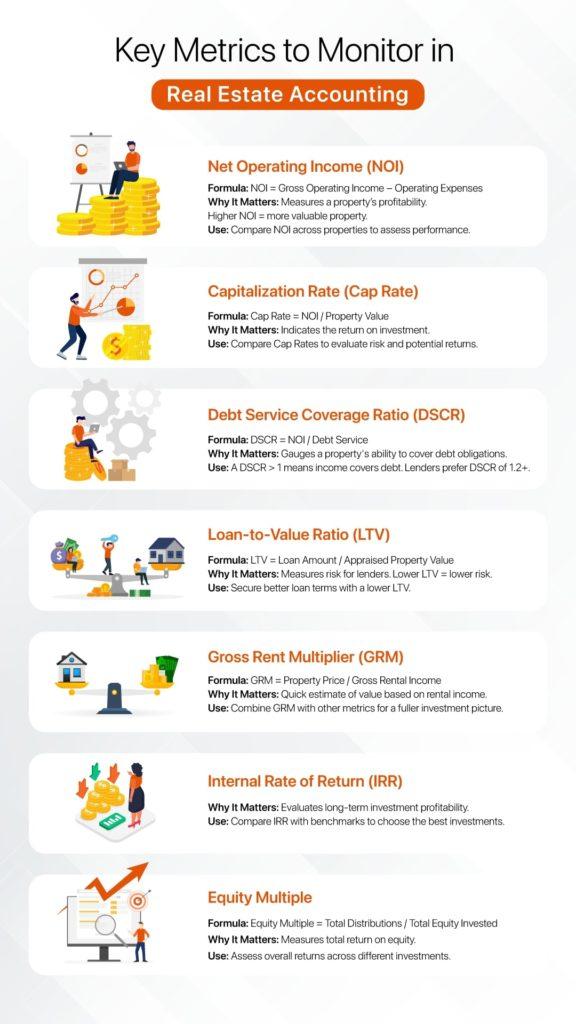
In the dynamic landscape of real estate investment, understanding the performance of rental properties is paramount for both seasoned investors and newcomers alike. The ability to assess key metrics not only enables investors to make informed decisions but also enhances the potential for maximizing returns and minimizing risks. As the property market evolves, so too do the tools and indicators that define success in rental property management. This article delves into the crucial metrics that serve as benchmarks for evaluating rental property performance, offering insights and best practices for effectively monitoring and optimizing investment outcomes. By equipping investors with a complete understanding of these metrics, we aim to pave the way for more strategic decision-making and ultimately, greater financial success in the realm of real estate.
Table of Contents
- Evaluation of Cash flow Dynamics in Rental Properties
- Analyzing Capitalization Rate for Investment Viability
- Understanding Occupancy and Vacancy rates for Performance Metrics
- Leveraging Return on Investment to Drive Strategic Decisions
- Key Takeaways
Evaluation of Cash Flow Dynamics in Rental Properties
To effectively evaluate cash flow dynamics in rental properties, understanding the interplay between various financial metrics is crucial. The framework can be boiled down to several key components, each playing an essential role in determining the overall profitability of a property. Focus on metrics such as Gross Rental Income, Operating Expenses, and net Operating Income (NOI) to gain a comprehensive perspective. The Cash-on-Cash Return metric, which measures the annual pre-tax cash flow relative to the total cash invested, provides insight into the efficiency of your investment. Additionally, the Cap Rate helps in assessing the potential return on investment based on current income and property value.
It’s also vital to incorporate a dynamic analysis of cash flow projections over time.This includes forecasting future rental income while accounting for potential fluctuations in the market and changes in operating costs. Utilizing a cash flow statement can simplify this assessment, breaking down expected income versus expenses month-by-month. Below is a sample table illustrating a projected cash flow analysis for a rental property:
| Month | Rental Income | Operating Expenses | Net Cash Flow |
|---|---|---|---|
| January | $2,000 | $800 | $1,200 |
| February | $2,000 | $800 | $1,200 |
| March | $2,000 | $800 | $1,200 |
| april | $2,000 | $850 | $1,150 |
In addition to monitoring cash flow, consider potential tax implications and financing options that could impact overall performance. Utilizing efficient systems to track these metrics, along with a proactive management strategy that anticipates market changes, will provide a clearer lens through which to view the true dynamics of cash flow in your rental property investments.
Analyzing Capitalization Rate for Investment viability
Capitalization rate, frequently enough referred to as cap rate, serves as a vital metric for evaluating the potential profitability of rental properties.It provides investors with a rapid glimpse into the expected return on investment, expressed as a percentage. To calculate the cap rate,simply divide the property’s net operating income (NOI) by its current market value. This straightforward approach reveals weather a property is undervalued or overvalued compared to its income-generating potential. A higher cap rate may indicate a better investment opportunity, while a lower cap rate could suggest a less favorable scenario or a high appreciation expectation.
When analyzing cap rates, it is essential to contextualize them within the local market conditions and property types. Investors should consider factors such as location, property management expenses, and economic indicators that can influence rental income and property values. Moreover, establishing a benchmark cap rate for similar properties within the area can enhance the analysis. Below is a simple table to illustrate how varying cap rates can indicate different levels of investment viability:
| Cap Rate (%) | Investment Viability |
|---|---|
| 8% and above | Strong investment opportunity |
| 5% – 7% | Moderate investment potential |
| 4% and below | Possible overvaluation risk |
Understanding Occupancy and Vacancy Rates for Performance Metrics
Occupancy and vacancy rates are pivotal indicators in evaluating the financial health of rental properties. Occupancy rate is calculated by dividing the total number of occupied units by the total number of available units. This metric reflects how effectively a property is being rented out and can signal the demand for residential or commercial space. A higher occupancy rate often correlates with increased cash flow, while a lower percentage may imply excessive vacancies, leading to potential revenue loss. In contrast, the vacancy rate represents the proportion of unoccupied units, calculated as the difference between total units and occupied units divided by the total units. A comprehensive understanding of these rates enables property owners to make informed decisions about pricing, marketing strategies, and property management practices.
To further refine your analysis, it can be beneficial to analyse these rates alongside several other metrics. Consider the following factors:
- Market Comparison: benchmarking against similar properties in the area helps identify whether occupancy and vacancy rates are aligned with market trends.
- Seasonality: Understanding seasonal fluctuations in occupancy rates can assist in forecasting revenue during peak and off-peak times.
- Tenant Turnover: High turnover can lead to increased vacancy rates, so assessing tenant retention strategies is essential.
By integrating occupancy and vacancy data into a broader analytical framework, investors can create robust strategies that enhance property performance and maximize profitability.
Leveraging Return on Investment to Drive Strategic Decisions
To make informed strategic decisions in the realm of rental property investment, understanding and leveraging Return on Investment (ROI) is crucial. ROI serves as a guiding metric that allows property owners to evaluate the performance of thier investments. By analyzing the ROI, property managers can identify which assets are generating desirable returns and which may require re-evaluation or even divestment. This process can involve calculating the following key components:
- Net Operating Income (NOI): The income generated from the property minus operating expenses.
- Capitalization Rate (Cap Rate): A measure to assess the property’s return based on NOI and property value.
- Cash Flow: The actual cash generated after accounting for all expenses, including mortgage payments.
Utilizing data-driven approaches, investors can further enhance their strategic decisions. By employing a comparative analysis, they can benchmark their properties against local market trends and leverage this data to optimize rental pricing and expenditure management. The following table elucidates common metrics used to analyze property performance:
| Metric | Description | Importance |
|---|---|---|
| Cash-on-Cash Return | Annual before-tax cash flow divided by total cash invested. | Measures liquidity and immediate investment efficiency. |
| Debt Service Coverage Ratio | NOI divided by total debt service. | Indicates ability to cover mortgage payments. |
| Gross Rent Multiplier | Property price divided by annual rental income. | Offers quick insight into property valuation versus income. |
Key Takeaways
effectively assessing rental property performance hinges on a comprehensive understanding of key metrics that provide valuable insights into your investment’s health. By diligently monitoring indicators such as cash flow, occupancy rates, return on investment (ROI), and tenant turnover, property owners and investors can make informed decisions that enhance profitability and sustainability. Regularly evaluating these metrics not only empowers you to identify opportunities for improvement but also enhances your ability to adapt to the dynamic real estate market. As you strive to optimize your rental portfolio, remember that data-driven strategies and a keen focus on performance analytics will be your strongest allies in achieving long-term success and maximizing returns. Embrace these metrics as essential tools in your property management arsenal, and elevate your investment approach to new heights.