

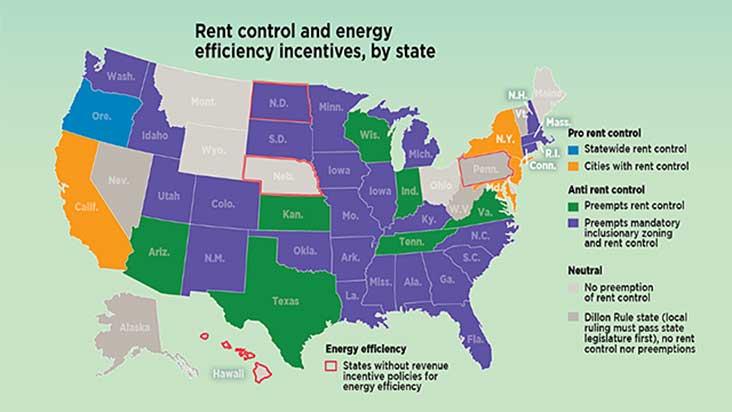
Rent control policies have long stirred heated debates among policymakers,landlords,tenants,and economists alike. As urban areas face skyrocketing housing costs and increased rates of homelessness, the urgency to address the housing crisis has never been more pressing. Proponents argue that rent control is a necessary safeguard for low- and middle-income families, helping to ensure stability in an increasingly precarious market. Detractors,on the other hand,contend that such policies can lead to decreased investment in housing and a decline in the quality of rental properties. In a landscape where the balance between affordable housing and market dynamics is increasingly fragile, understanding the nuances of the rent control debate is crucial. This article delves into the various dimensions of this contentious issue, exploring the economic principles, social implications, and real-world outcomes of rent control measures across different municipalities. Whether you’re a tenant feeling the strain of rising rents or a landlord navigating the complexities of regulation, this examination aims to shed light on the multifaceted nature of rent control and its impact on our communities.
Table of Contents
- Exploring the Economic Impacts of Rent Control Policies
- Analyzing the Social Implications for Tenants and Landlords
- Evaluating the Success Stories and Failures Around the World
- Recommendations for Crafting Balanced Rent Control Legislation
- In Retrospect
Exploring the Economic Impacts of Rent Control Policies
Rent control policies have long been a contentious issue within urban economics, influencing the housing market dynamics in profound ways. these regulations are frequently enough implemented with the intention of providing affordable housing options for low-income residents; though, the unintended consequences may ripple through the broader economic landscape. Some of the key economic impacts include:
- Decreased Investment in Rental Properties: Property owners may be discouraged from investing in maintenance and enhancements due to capped rental income.
- Reduced Housing Supply: Limited profitability can drive developers away from constructing new rental units, exacerbating housing shortages.
- Displacement of Long-term Residents: Inequities may arise when demand outstrips supply,leading to gentrification as wealthier individuals seek out rent-controlled neighborhoods.
moreover, rent control policies can distort market behaviors, leading to inefficiencies that effect both landlords and tenants. As a notable example, tenants in rent-controlled apartments might stay longer then they or else would, contributing to a mismatch between housing availability and demographic needs. The following table illustrates the various stakeholder perspectives regarding the economic implications of rent control:
| Stakeholder | Outlook |
|---|---|
| Tenants | Affordability and stability in housing are prioritized, despite potential long-term shortages. |
| Landlords | Profitability declines, leading to inadequate property maintenance and reduced investment. |
| Developers | Constraints on rental income may result in reluctance to build new apartments or renovate existing ones. |
Analyzing the Social Implications for tenants and Landlords
The debate surrounding rent control policies invokes strong sentiments from both tenants and landlords,revealing a complex web of social implications. For tenants, these policies often provide necessary protections against sudden rent hikes, which can lead to housing instability and displacement. By ensuring affordable housing options, rent control can foster a sense of community, allowing families to remain in the neighborhoods they know. Increased security for tenants can lead to enhanced well-being, contributing to healthier, more stable communities. however, when landlords perceive these regulations as punitive, it can create tension that undermines the landlord-tenant relationship.
Conversely, landlords frequently argue that rent control policies limit their ability to cover rising maintenance costs and invest in property improvements. This can result in a decrease in the overall quality of rental units, as landlords may become disincentivized to reinvest in their properties. In the long run, the relationship dynamics shift, potentially leading to a contraction in the rental market. Implications for both parties include:
- A potential reduction in rental inventory as landlords withdraw from the market.
- An increase in informal rental agreements or unregulated subleasing, creating a shadow market that evades oversight.
- Economic disparities that can deepen if affordable housing options continue to dwindle.
This multifaceted issue challenges policymakers to find a balance that supports the needs of renters while also preserving the incentives necessary for landlords to invest in their properties.
Evaluating the Success Stories and Failures Around the World
The impact of rent control policies varies significantly across different regions,showcasing both success stories and notable failures. Cities like san Francisco and New York have long implemented these regulations.Reports indicate that in these areas, *rent control* has succeeded in preserving affordable housing for long-term residents. This stability often results in stronger community ties and reduced displacement, creating a protective buffer against rapid gentrification. however, the unintended consequences cannot be overlooked. An influx of investment into *luxury developments* and a slow decrease in available rental units have surfaced in these markets, leading to intensified scrutiny of existing rent control measures.
Conversely, cities such as Berlin and los Angeles offer contrasting narratives. In Berlin, recent legislative attempts to introduce even stricter controls faced backlash, highlighting a decline in housing quality and investment as landlords opted to withdraw properties from the rental market altogether. This led to a shortage of available units and higher vacancy rates. Many housing advocates argue that the focus should be on improving the rental market through regulations that foster *supply growth* rather than merely capping prices. The following table illustrates some of the key outcomes from rent control policies in various cities:
| City | Outcome | Challenges |
|---|---|---|
| San Francisco | Stability in long-term rentals | Decreased availability of units |
| New York | Prevented displacement | luxury developments dominate market |
| Berlin | Preserved affordability | Housing quality decline |
| Los Angeles | Increased renter protection | Investment withdrawals from the market |
Recommendations for Crafting Balanced Rent Control Legislation
Creating effective rent control legislation requires a careful balance between the interests of tenants and landlords. To achieve this, policymakers should consider the following crucial factors:
- Incremental Rent Increases: Implement a systematic approach to adjust rent limits based on inflation and market trends, ensuring that landlords can maintain their properties without being financially burdened.
- Fair Maintenance standards: Mandate landlords to adhere to specific maintenance and repair standards, making sure that tenants receive habitable living conditions while protecting landlords’ rights.
- Exemptions for New developments: Encourage housing development by exempting newly built units from rent control for a defined period, fostering growth in housing stock while maintaining community affordability.
- Clear Lease-Term Definitions: Establish clear terms for lease agreements to prevent ambiguous interpretations and disputes, making it easier for both parties to understand their rights and responsibilities.
Additionally, a robust support system for low-income tenants can enhance the effectiveness of rent control laws. This can include:
- Rent Assistance Programs: Create or fund programs that provide financial aid to low-income households struggling with rent, preventing displacement and maintaining community stability.
- Tenant Education Initiatives: Foster awareness around tenant rights and responsibilities through workshops and resources, empowering residents to navigate challenges more effectively.
- Regular review Mechanisms: Establish a framework for periodic evaluations of the legislation’s impact, allowing for necessary adjustments based on evolving market conditions and housing needs.
In Retrospect
the debate surrounding rent control policies is both complex and multifaceted, reflecting a broader struggle to balance affordability, economic growth, and the needs of diverse communities. As we have explored, these policies can offer much-needed relief for tenants facing skyrocketing rents, but they can also lead to unintended consequences that may deter investment and affect housing supply.
Ultimately, understanding this controversy requires an examination of multiple perspectives, as well as a commitment to informed dialog and innovative solutions. Policymakers, landlords, and tenants all have roles to play in crafting a housing landscape that fosters stability and accessibility. As we move forward, it is crucial for stakeholders to engage in constructive conversations that prioritize the long-term health of our housing markets while recognizing the urgent needs of those most affected by the current situation.
we invite you to share your thoughts and experiences related to rent control in the comments below. Together, we can work toward a more equitable housing future for all. Thank you for joining us in this exploration of a vital topic that impacts so many lives.