

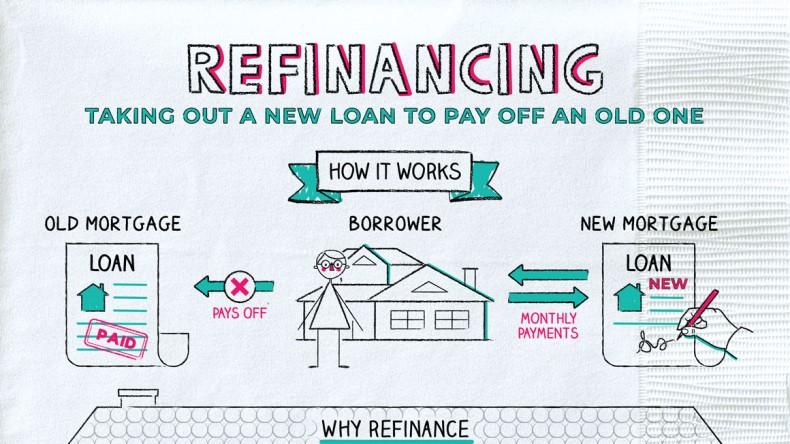
Refinancing a mortgage can be a strategic financial decision that offers homeowners the prospect to adjust their loan terms, reduce monthly payments, or access equity from their property. However, navigating the refinancing process requires careful consideration and adherence to a set of best practices to ensure favorable outcomes. this article aims to provide a comprehensive overview of guidelines for successfully refinancing your mortgage terms, outlining key factors to consider, potential pitfalls to avoid, and actionable steps to enhance your refinancing experience. By following these principles, homeowners can effectively leverage refinancing to meet their financial goals while optimizing their mortgage agreements.
Table of Contents
- Understanding Your Current Mortgage Situation
- Evaluating Market Conditions and Interest Rates
- Assessing the Costs and Benefits of Refinancing
- Selecting the Right Lender and Mortgage Product
- Concluding Remarks
Understanding Your Current Mortgage Situation
To effectively navigate the refinancing process, first take stock of your existing mortgage situation. This includes reviewing the current interest rate, loan term, and remaining balance. Understanding these aspects is crucial for determining whether refinancing is a beneficial move. Consider the following factors:
- Current interest rate compared to market rates
- Remaining time on your loan
- Your credit score and its impact on loan terms
- Any potential penalties for early repayment
- Your long-term financial goals
Next, assess your overall financial health. This will include your income stability, debt-to-income ratio, and any changes in your financial situation since obtaining your original mortgage. Understanding your financial picture will help you identify the refinancing options that suit you best. To visualize your current standing, use a simple table:
| Category | Details |
|---|---|
| Current Interest Rate | 4.5% |
| Remaining Balance | $150,000 |
| Loan Term Remaining | 15 years |
| Credit Score | 720 |
| Debt-to-Income Ratio | 30% |
Evaluating Market Conditions and Interest Rates
When considering refinancing your mortgage, it’s essential to assess both current market conditions and prevailing interest rates. A favorable market often signifies lower interest rates, making it an opportune time to refinance. Factors that influence these conditions include economic growth, inflation rates, and employment statistics. Keeping an eye on these indicators can provide valuable insights into whether it’s the right time for your refinancing journey.Additionally,monitor decisions made by the Federal reserve as they can substantially impact overall interest rates.
Understanding rate trends through a comparative analysis also serves as a smart strategy. Below is an example of how different interest rates could affect your monthly mortgage payments and total interest paid over the lifetime of the loan:
| Interest Rate | Monthly Payment | Total Interest Paid |
|---|---|---|
| 3.0% | $1,367 | $126,000 |
| 4.0% | $1,477 | $144,000 |
| 5.0% | $1,610 | $162,000 |
By weighing these options, homebuyers can make informed decisions that align with their financial goals. Timing your refinancing based on market analysis can lead to significant savings and better terms for your mortgage.
Assessing the Costs and Benefits of Refinancing
Refinancing your mortgage can seem like a straightforward decision, but it’s essential to evaluate both the costs and benefits before proceeding. Costs may include loan submission fees, appraisal fees, and closing costs, which could range from 2% to 5% of the total loan amount. It’s important to consider how these upfront expenses stack up against potential savings over time. Additionally, refinancing might extend the loan term, resulting in a longer period of interest payments, which could negate some of the benefits you anticipate from lower monthly payments. Keeping an eye on these potential downsides is crucial in making an informed decision.
On the upside, benefits include reduced monthly payments, a lower interest rate, and the possibility of accessing equity in your home for other expenses. Moreover, if you’re currently on an adjustable-rate mortgage, switching to a fixed-rate mortgage can provide greater financial stability. When weighing your options,it can be helpful to create a simple comparison table to visualize the impact:
| Factor | Before Refinancing | After Refinancing |
|---|---|---|
| Monthly Payment | $1,500 | $1,200 |
| Interest Rate | 4.5% | 3.2% |
| Loan Term | 30 years | 30 years |
This visualization helps clarify the significant savings from refinancing while considering the associated costs. Keeping these elements in balance allows for better decision-making aligned with your financial goals.
Selecting the Right Lender and Mortgage Product
Choosing a lender is a crucial step in the mortgage refinancing process, as the right provider can significantly affect your financial outcome. Consider the following factors when evaluating your options:
- Reputation: Research potential lenders through online reviews and testimonials to gauge their customer satisfaction.
- Interest Rates: Compare offered interest rates, making sure to look beyond initial offers to include points and fees.
- Customer Service: Prioritize lenders known for their responsive and supportive customer service throughout the refinancing process.
- Variety of Products: Ensure the lender provides a range of mortgage products to select one that suits your specific financial needs.
In addition to selecting the lender, it’s essential to identify the mortgage product that aligns with your financial goals. Hear are key product types to consider:
| Mortgage Product | Description |
|---|---|
| Fixed-Rate Mortgage | Offers a stable interest rate over the entire loan term, providing predictable monthly payments. |
| Adjustable-Rate Mortgage (ARM) | Features lower initial rates that change periodically, which could lead to unpredictable future payments. |
| Cash-Out Refinance | allows you to borrow against your home’s equity, converting it into cash for other expenses. |
| Streamline Refinance | Enables faster refinancing with less paperwork, ideal for borrowers with existing government loans. |
By carefully analyzing both lenders and mortgage products, you can create a refinancing strategy that maximizes your financial security and fits your long-term objectives.
Concluding Remarks
successfully refinancing your mortgage requires careful planning, thorough research, and a clear understanding of your financial goals. By adhering to the guidelines outlined in this article—evaluating your current mortgage, assessing market conditions, improving your credit score, and considering the associated costs—you can make informed decisions that optimize the benefits of refinancing. Remember that every financial situation is unique, so it’s advisable to consult with a financial advisor or mortgage professional to tailor a refinancing strategy that aligns with your individual needs. By taking these steps,you can position yourself for a more favorable mortgage experience,possibly saving money and enhancing your financial well-being in the long run.