

Introduction
Property tax appeals can be a critical and often complex process for homeowners and property owners seeking a fair assessment of thier property value. This article aims to provide extensive guidelines for effectively managing property tax appeals, ensuring that stakeholders are equipped with the necessary knowledge and strategies to navigate this vital aspect of property ownership. By understanding the underlying principles, familiarizing oneself with the appeal process, and employing best practices for documentation and depiction, property owners can enhance their chances of achieving a favorable outcome. With rising property values and tax rates, it is increasingly crucial for property owners to advocate for themselves and ensure that their assessments reflect the true market value of their properties. The following sections will detail the essential steps and considerations involved in effectively managing a property tax appeal, empowering individuals to make informed decisions and take proactive measures.
Table of contents
- Understanding the Property Tax Appeal Process
- Key Factors Influencing Property Valuation
- Strategies for Preparing a Compelling Case
- Best Practices for Communication with Tax Authorities
- In Conclusion
Understanding the property Tax Appeal Process
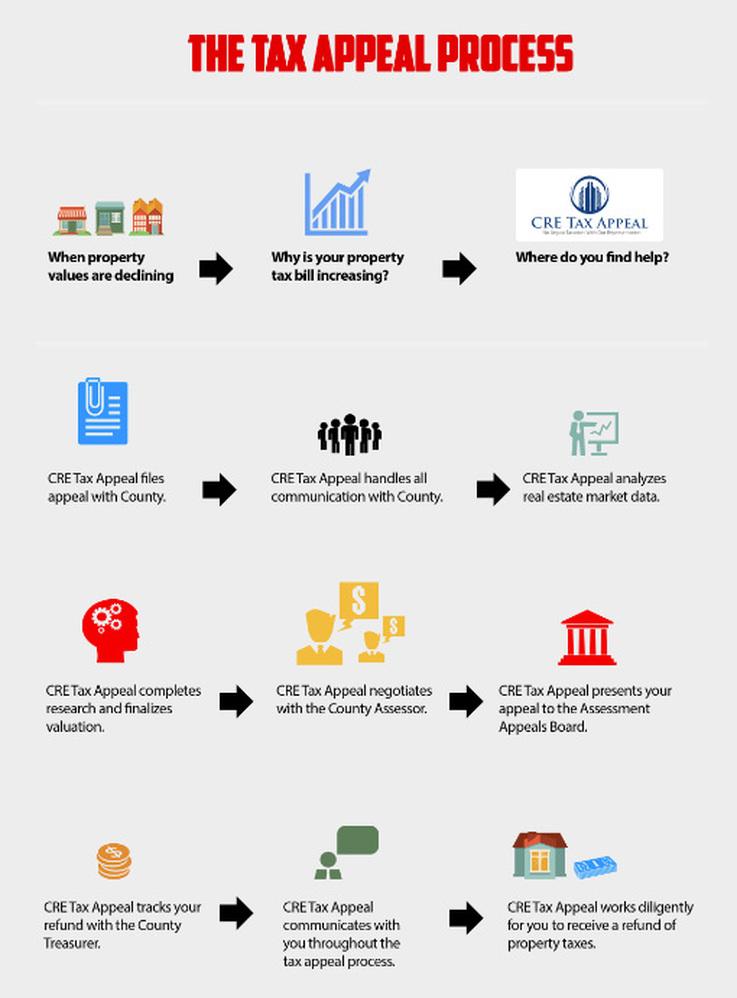
Navigating the property tax appeal process can seem daunting, but understanding the key steps involved can simplify the experience. Initially, property owners should start by reviewing their property assessment, as inaccuracies may contribute to inflated tax rates. The first step in appealing involves gathering essential documents, including:
- Current assessment notice
- Comparable property values
- Supporting evidence (e.g., photos, reports)
Once the property owner has compiled the necessary information, the next phase involves filing the appeal with the appropriate tax authority. It’s crucial to pay attention to deadlines, as they can vary by jurisdiction. Additionally, presentation matters; it can be beneficial to create a concise and clear document summarizing the reasons for the appeal. Consider organizing the information using a table, which could include:
| Aspect | Details |
|---|---|
| Property Address | 123 Main St, Anytown |
| Assessment Value | $300,000 |
| Proposed Value | $250,000 |
By following these guidelines and thoroughly preparing for the appeals process, property owners can increase their chances of achieving a favorable outcome. Focus on providing clear, compelling evidence to support your case and be prepared to discuss the rationale behind your proposed valuation during any hearings or meetings.
Key Factors influencing Property Valuation
When determining property valuation, multiple factors come into play, significantly affecting both market value and tax assessments.Firstly, location is paramount; properties situated in desirable neighborhoods typically fetch higher values. Additionally, property size and layout are crucial, where larger homes or those with functional designs might potentially be appraised more favorably. Moreover, the age and condition of a property cannot be overlooked; newer, well-maintained properties tend to receive higher valuations compared to older structures requiring extensive repairs.
Another vital aspect is the local real estate market trends, which can fluctuate based on supply and demand dynamics. Economic indicators such as employment rates and interest rates also play a notable role in property valuation. Moreover, amenities such as parks, schools, and shopping centers are contributing factors.To encapsulate these elements, consider the simplified comparison table below illustrating key influences on property valuation:
| Factor | Impact on Valuation |
|---|---|
| Location | High |
| Size & layout | Medium |
| Age & Condition | Medium |
| Market Trends | High |
| Local Amenities | Low to Medium |
Strategies for Preparing a Compelling Case
When preparing for a property tax appeal, it is crucial to gather as much relevant data as possible to construct a robust argument. Begin by researching your property’s assessed value and comparing it with similar properties in your area. Collect documentation that supports your claim, such as recent sales records, photographs highlighting unique features or issues, and any prior tax assessments.A well-organized file that includes maps, charts, and graphs can significantly enhance your presentation and strengthen your case.
In addition to gathering supporting documents, focus on articulating your arguments clearly and persuasively. Prepare a brief that outlines key points, such as:
- Market trends affecting property values
- Specific conditions of your property that justify a lower assessment
- Comparative analysis of nearby properties
To illustrate your points more effectively, consider creating a simple table to display comparative values:
| Property Address | Assessed Value | Sale price |
|---|---|---|
| 123 Oak St | $300,000 | $280,000 |
| 456 Maple Ave | $320,000 | $310,000 |
| 789 Pine rd | $295,000 | $290,000 |
Best Practices for Communication with Tax Authorities
Effective communication with tax authorities is crucial for a smooth property tax appeal process. Clarity and professionalism in your correspondence can significantly influence the outcome of your appeal. Consider the following strategies to enhance your communication:
- Be Direct and Concise: State your purpose clearly in every interaction. Avoid unneeded jargon and get straight to the point to facilitate understanding.
- Document Everything: Keep detailed records of all communications, including emails, letters, and phone calls.This may serve as valuable evidence if disputes arise.
- Use Correct Terminology: Familiarize yourself with the relevant tax terms. This demonstrates your commitment to the process and enhances credibility.
- Follow Up Promptly: If you haven’t received a response within a reasonable timeframe, a polite follow-up can reinforce your interest in resolving the matter.
Additionally,ensuring that you are respectful and patient throughout the interaction is vital,as tax authorities deal with numerous cases together. You can enhance communication effectiveness by utilizing tools such as tables to present information clearly. Here’s a simple table format for summarizing key details related to your appeal:
| Item | Description | Status |
|---|---|---|
| Initial Appeal Submission | Date of submission and supporting documents sent | Pending |
| Follow-Up Communication | Date and summary of follow-up | Completed |
| Response Received | Date of response and key points | Under Review |
to sum up
effectively managing property tax appeals is a multifaceted process that requires careful readiness,attention to detail,and a thorough understanding of the local tax regulations. By adhering to the guidelines outlined in this article, property owners can position themselves favorably when contesting property assessments, ensuring their rights are protected and potentially leading to significant financial savings.
As the property tax landscape continues to evolve, staying informed and proactive in your approach will prove invaluable. We encourage you to engage with professionals when necessary and to remain diligent in the pursuit of a fair assessment.With the right strategies in place, property tax appeals can be navigated successfully, contributing to a more equitable tax system for all stakeholders involved. Thank you for taking the time to explore these important guidelines.