

Introduction:
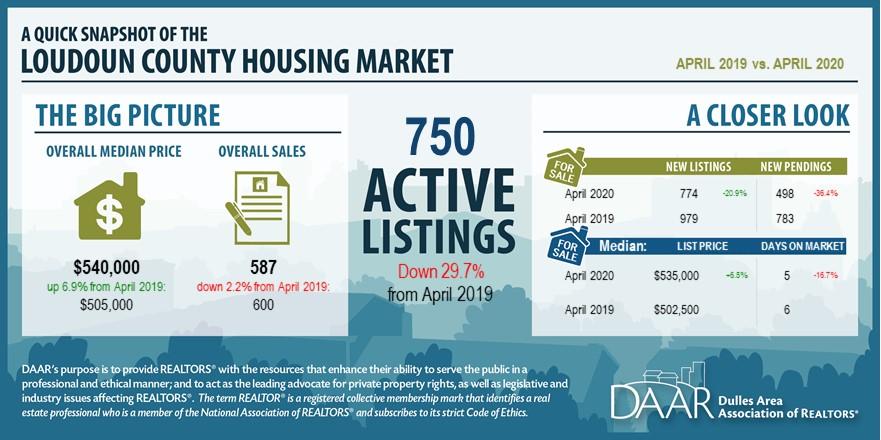
As the economy continues to navigate a complex landscape of recovery and growth, the real estate market has emerged as a critical barometer of financial health and consumer confidence. Industry experts and analysts are increasingly looking to specific indicators that signal a robust real estate market, reflecting not only current conditions but also future trends. From rising property values to increased housing starts and declining inventory levels, these essential metrics provide valuable insights for investors, homeowners, and policymakers alike. In this article, we will explore the key indicators that signify a thriving real estate market, offering a comprehensive overview of the factors that contribute to stability and prosperity in this vital sector of the economy.
Table of Contents
- Market Demand Trends Reflecting Economic Confidence
- Price Appreciation Rates Indicating Sustained Growth Potential
- Inventory Levels as a Critical Measure of Market Health
- Key Demographic Shifts Driving future Real Estate Investments
- Key Takeaways
Market Demand Trends Reflecting Economic Confidence
Recent shifts in consumer behavior and purchasing patterns have been illuminating markers of economic sentiment, especially within the real estate sector. Buyers are currently showing a pronounced willingness to invest in properties, indicating a surge in confidence backed by job stability and positive growth forecasts. Key factors driving this trend include:
- Increased Disposable Income: Higher wages and lower unemployment rates have allowed more potential homeowners to enter the market.
- Low Mortgage Rates: Continued access to favorable financing terms has further incentivized purchases.
- Desire for Space: The pandemic has led many to prioritize larger homes and suburban living, creating a higher demand.
Moreover, data from recent housing reports highlight meaningful regional variances, underscoring the importance of local market dynamics. for instance, areas experiencing job growth are seeing faster home sales compared to regions with stagnation. The following table illustrates how market demand varies across different cities:
| City | Average Days on Market | Year-on-Year Price Increase |
|---|---|---|
| New York | 45 | 8% |
| Los Angeles | 30 | 10% |
| Chicago | 60 | 5% |
| Houston | 20 | 12% |
Price Appreciation Rates Indicating Sustained Growth Potential
Understanding the dynamics of price appreciation is crucial for gauging the long-term potential of a real estate market. Recent trends have shown a consistent upward trajectory in property values across various regions, indicating a promising environment for investors. Not only does this signal a healthy demand for housing, but it also reflects broader economic factors at play, such as population growth and increased job opportunities. Key indicators of this growth include:
- historical Trends: Areas with a track record of price increases are more likely to continue appreciating.
- Absorption Rates: Faster absorption of available inventory suggests a competitive market and upward pressure on prices.
- New Developments: Increasing construction projects frequently enough indicate investor confidence.
Moreover, the correlation between price appreciation rates and economic indicators provides a clearer picture of future prospects. Factors like local job growth, wage increases, and migration trends can significantly influence how real estate behaves over time. To illustrate this further, the following table highlights recent price appreciation in selected metropolitan areas:
| City | Price Appreciation (Last 5 Years) | Projected Growth (Next 5 Years) |
|---|---|---|
| City A | 30% | 20% |
| City B | 25% | 18% |
| City C | 35% | 22% |
This data serves as a testament to the sustained growth potential within these markets. By analyzing both historical and projected appreciation rates, investors can make informed decisions that align with their long-term property investment strategies.
Inventory Levels as a Critical Measure of Market Health
Understanding the dynamics of inventory levels is essential for gauging the overall vitality of the real estate market. A balanced inventory, where the number of homes for sale aligns with buyer demand, frequently enough indicates a healthy market. When inventory levels are low, it can led to competitive bidding and rising prices, thereby signaling robust demand.Conversely, excessive inventory may suggest a market slowdown, as it can lead to price reductions and extended days on market. This equilibrium—or lack thereof—provides critical insights into both buyer sentiment and economic conditions.
Monitoring various aspects of inventory levels can broaden the understanding of market health.Key indicators include:
- Absorption Rate: This metric illustrates how quickly homes are being sold and can indicate whether the market is leaning towards a seller’s or buyer’s advantage.
- Months of Supply: Calculating the average number of months it would take to sell the current inventory at the current sales pace helps forecast market trends.
- median Days on Market: A decreasing average suggests strong demand,while an increase signals a potential downturn.
| Market Condition | inventory Level | Implication |
|---|---|---|
| Seller’s Market | Low Inventory | Rising Prices |
| Buyer’s Market | High Inventory | Price Reductions |
| Balanced Market | Moderate Inventory | Stable Pricing |
Key Demographic Shifts Driving Future Real estate Investments
As we look to the horizon of real estate investments, several demographic shifts are emerging as pivotal influencers. The millennial generation, with their increasing purchasing power and evolving lifestyle preferences, is reshaping housing markets across urban and suburban landscapes. Millennials prioritize amenities, sustainability, and proximity to work and leisure options, leading to a surge in demand for mixed-use developments and eco-pleasant properties. Additionally, the increasing diversity in homebuyers is driving the need for varied housing types that cater to different cultural preferences and family structures.
Another significant factor is the aging population, especially the Baby boomer generation, who are looking to downsize or relocate to more manageable living environments. This demographic is expected to influence the demand for retirement communities and accessible housing solutions. With advancements in technology and healthcare, many older adults are also seeking properties that integrate smart home features to enhance their quality of life.Below is a concise table summarizing these key demographic trends and their implications for future real estate investments:
| Demographic Trend | Investment Implications |
|---|---|
| Millennials | Increased demand for urban housing and amenities |
| Aging Baby Boomers | Growth in retirement communities and accessible living |
| Diverse Homebuyers | Need for varied housing types to meet cultural preferences |
key Takeaways
as the real estate market continues to evolve,recognizing the essential indicators that signal its robustness is crucial for investors,homeowners,and industry professionals alike. From fluctuations in home prices and inventory levels to employment rates and consumer confidence metrics, these indicators offer valuable insights into market health and future trends. By staying informed and vigilant,stakeholders can make strategic decisions that capitalize on opportunities while mitigating potential risks. As we move forward, the ability to navigate the complexities of the real estate landscape will not only be essential for success but also vital in fostering a resilient economy. Industry participants are encouraged to remain proactive and adaptive in this dynamic environment, ensuring they are well-positioned for the challenges and opportunities that lie ahead.