

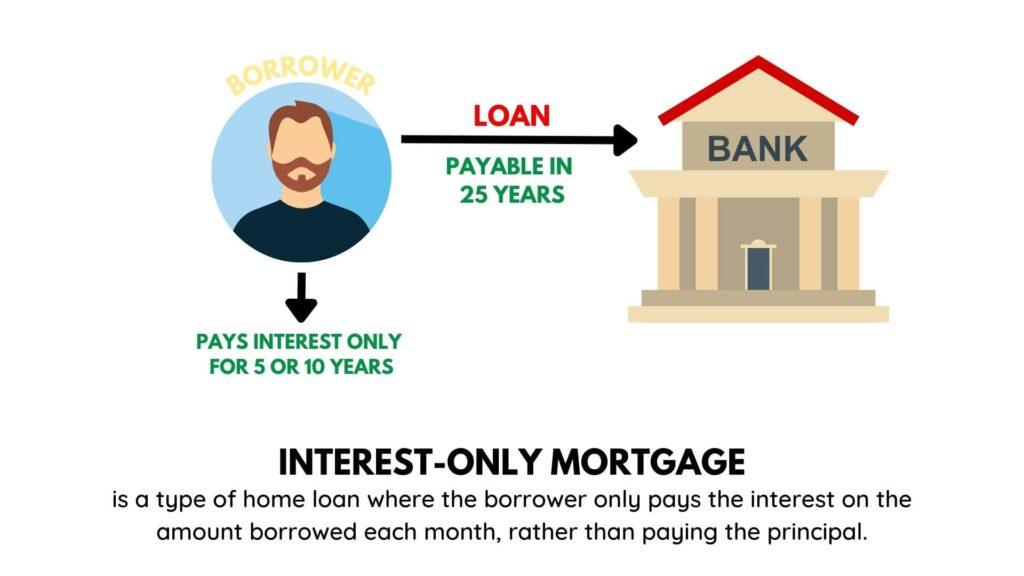
Interest-only mortgages have emerged as a significant option for borrowers seeking flexibility in their home financing strategies. Unlike customary mortgage structures that require both principal and interest payments from the outset, interest-only loans allow borrowers to pay only the interest for a specified period, typically ranging from three to ten years. This unique repayment approach can provide immediate financial relief and greater cash flow during the early years of homeownership. Though, the intricacies of interest-only mortgages also present potential challenges and risks that borrowers must meticulously evaluate. This article aims to provide a comprehensive understanding of interest-only mortgages, highlighting key insights into their structure, benefits, and drawbacks, and also critical considerations for prospective homeowners and investors. By exploring these elements, readers can make informed decisions that align with their financial goals and risk tolerance.
Table of Contents
- Understanding the structure of Interest-Only Mortgages
- Advantages and Disadvantages of Interest-Only Payment Plans
- Key Considerations for Homebuyers and Investors
- Strategies for Managing Financial Risk with Interest-Only Mortgages
- Closing Remarks
understanding the Structure of Interest-Only Mortgages
Interest-only mortgages are structured to allow borrowers to pay only the interest on the loan for a specified period, typically between 5 to 10 years. During this initial phase, monthly payments are lower compared to conventional loans, which can make homeownership more accessible. However, it’s essential to understand that once this period ends, the borrower is required to start making principal payments on the loan, which can substantially increase their monthly obligations. This structure may appeal to those who expect their income to rise in the future or who may sell the property before the amortization phase begins.
The implications of this mortgage structure can be profound. Consider the following aspects:
- payment Variability: After the interest-only period, your payments can increase significantly as you start repaying principal.
- Risk of Negative Amortization: If the home’s value declines, borrowers may owe more than the property is worth.
- Impact on Cash Flow: During the initial period,borrowers may have more cash available for investments or other expenses.
| year | Monthly Payment (Interest-Only) | Monthly Payment (Principal & Interest) |
|---|---|---|
| 1 | $1,000 | – |
| 5 | $1,000 | – |
| 10 | $1,000 | $1,800 |
Ultimately, the structure of interest-only mortgages can offer strategic advantages, particularly in the earlier years of homeownership. though, it is indeed crucial to weigh the immediate benefits against the long-term financial implications and commitments required after the introductory phase.
Advantages and Disadvantages of Interest-Only Payment Plans
Interest-only payment plans can offer several attractive benefits to borrowers looking for flexibility in their financial commitments. Lower initial monthly payments are one of the most significant advantages, as borrowers are only required to pay the interest on the loan during the initial term, which can free up cash for other investments or expenses. Additionally, this type of plan may make it easier for buyers to qualify for a larger mortgage, as the lower monthly payments are viewed more favorably by lenders.Furthermore, for those who anticipate increased income or financial growth in the future, this option provides a way to invest the difference in monthly payments elsewhere, perhaps generating a higher return on investment.
However,interest-only payment plans are not without their pitfalls. One major disadvantage is the lack of equity buildup, as payments are only applied to interest rather than the principal. This means that borrowers may face a significant balance when the repayment period ends. Market fluctuations can also pose risks; if property values decrease, borrowers could find themselves owing more than their home is worth. Additionally, once the interest-only period concludes, borrowers might face a sharp increase in monthly payments, which can lead to financial strain if not carefully planned. It’s essential for potential borrowers to weigh these pros and cons thoroughly to ensure they make an informed decision that aligns with their long-term financial goals.
Key Considerations for Homebuyers and Investors
When considering an interest-only mortgage, both homebuyers and investors should assess their long-term financial strategy carefully. It’s essential to highlight the potential benefits as well as the risks involved. Benefits may include:
- Lower initial payments: The initial stage of an interest-only mortgage typically requires lower monthly payments, allowing buyers to maximize their cash flow.
- Investment opportunities: The saved funds from lower payments can be invested elsewhere for potentially higher returns.
- Flexibility in budgeting: Homebuyers can allocate funds to other pressing financial needs in the early years of homeownership.
however, it’s crucial to be aware of the associated risks which can significantly impact financial stability. Key considerations include:
- Payment shock: Transitioning to repayment of principal can lead to substantially higher monthly payments, which may strain budgets.
- Market volatility: Fluctuations in property values can affect equity positioning, especially if the market declines.
- Refinancing risks: Relying on refinancing at the end of the interest-only period may not be feasible if market conditions are unfavorable.
Strategies for Managing Financial Risk with Interest-Only Mortgages
Managing financial risk with interest-only mortgages requires a proactive approach. Borrowers should regularly assess their financial situation to determine whether maintaining an interest-only payment plan remains a viable option. One effective strategy is to establish an emergency savings fund that can cover future principal payments or unexpected financial setbacks. By setting aside a percentage of monthly income, homeowners can create a financial buffer that will help mitigate risks associated with fluctuations in interest rates or housing market downturns.
Another important strategy involves setting clear financial goals and timelines for transitioning from interest-only payments to a more traditional repayment structure. Borrowers should evaluate their plans for home equity and consider the implications of the loan term. Options such as refinancing into a fixed-rate mortgage can be beneficial, especially if interest rates are projected to rise. Maintaining effective communication with financial advisors and mortgage lenders is also crucial; make it a point to review loan agreements and monitor changing market conditions to adapt strategies accordingly.
Closing Remarks
interest-only mortgages can offer unique advantages for certain borrowers, providing flexibility and potentially lower initial payments.Though, they also come with significant risks and considerations that must be thoroughly understood before making a decision. it is indeed crucial for potential homeowners to assess their financial situation, long-term goals, and risk tolerance. Consulting with financial advisors and mortgage professionals can provide valuable insights tailored to individual circumstances. By weighing the benefits against the inherent risks, borrowers can make informed choices that align with their overall financial strategy, ultimately leading to a more secure and enduring homeownership experience.