

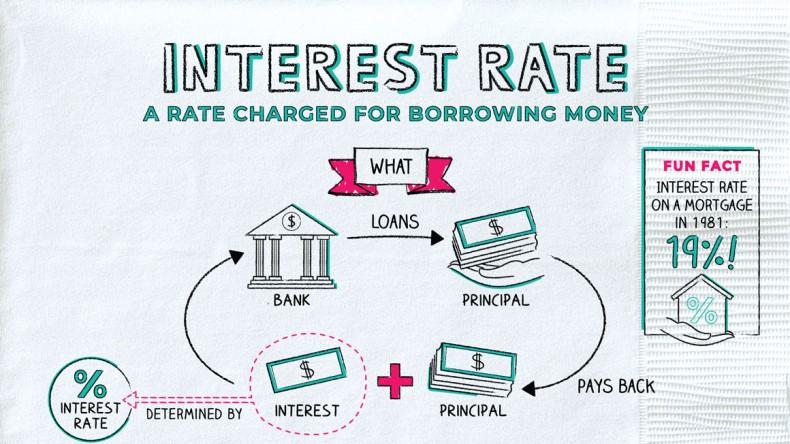
In the ever-evolving landscape of real estate investment, one critical factor stands out for investors and developers alike: interest rates.These seemingly abstract economic indicators wield a profound influence on property values, financing conditions, and overall market dynamics. As the Federal Reserve adjusts monetary policy in response to inflationary pressures or economic growth, the ripple effects can significantly alter the attractiveness and viability of real estate transactions. This article aims to dissect the intricate relationship between interest rates and real estate investments, offering insights into how fluctuations in borrowing costs impact investment strategies, property demand, and overall market stability. By comprehensively understanding this relationship, investors can make informed decisions that align with their financial goals in a shifting economic landscape.
Table of Contents
- Impact of Interest Rate Fluctuations on Property Values
- Evaluating Financing Strategies in a Changing Interest Rate Environment
- Best Practices for Mitigating Risks Associated with High Interest Rates
- Long-Term Investment Strategies for Sustained Real Estate Growth
- The Conclusion
Impact of Interest Rate Fluctuations on Property Values
The relationship between interest rates and property values is both complex and significant. When interest rates rise, borrowing costs increase, which can dampen demand for real estate. Potential homebuyers and investors often face higher monthly payments, leading to a slowdown in transactions. This decrease in demand can result in falling property values as sellers adjust their prices to remain competitive in a less favorable market. Similarly, when rates are low, the inverse occurs: more buyers enter the market, driving up demand and consequently enhancing property values.
Additionally, changes in interest rates can influence investors’ strategies. During periods of higher interest rates, investors may seek properties that offer higher returns to offset increased financing costs. This shift can lead to a preference for multifamily units or commercial real estate, which often boasts steady cash flows. The following table illustrates how different interest rate scenarios can affect property investments:
| Interest Rate Scenario | Buyer Behavior | Property Value Trend |
|---|---|---|
| Low Interest Rates | Increased market activity | Rising property values |
| Moderate Interest Rates | stable demand | Stable property values |
| High Interest Rates | Decreased market activity | Falling property values |
Evaluating Financing Strategies in a Changing Interest Rate Environment
In today’s dynamic economic landscape, understanding the implications of fluctuating interest rates is crucial for investors aiming to optimize their real estate portfolios. Higher interest rates can signal increased borrowing costs, which may squeeze cash flow and dampen property acquisition opportunities. Therefore, it’s essential for investors to reevaluate their financing strategies regularly. Key considerations include:
- Fixed-rate Mortgages: These provide stability by locking in rates for the duration of the loan, making budgeting more predictable.
- Variable-Rate mortgages: Even though these may offer lower initial rates, they can increase unpredictably, posing a risk during economic shifts.
- Alternative Financing Options: Investors might explore crowd-funding or partnerships to distribute risk and secure favorable terms.
Moreover, it’s significant to assess the broader economic indicators that influence interest rates such as inflation, employment rates, and central bank policies. creating a responsive investment strategy involves analyzing ancient trends alongside current data. Below is a simple comparative table highlighting the potential effects of interest rate fluctuations on financing strategies:
| Interest Rate Scenario | Impact on Fixed-Rate | Impact on Variable-Rate |
|---|---|---|
| Increasing Rates | Protects against rising costs | Higher payments could lead to strain |
| Decreasing rates | Opportunity to refinance at lower cost | lower payments,but uncertain future |
| Stable Rates | Minimal impact on long-term planning | Consistency in budgeting |
Best practices for Mitigating Risks Associated with high Interest Rates
To effectively navigate the challenges posed by high interest rates,it’s crucial for investors to adopt strategic measures that mitigate potential risks. Diversification is key; by spreading investments across different types of real estate assets, investors can reduce their exposure to fluctuating interest rates. Additionally, retaining ample liquidity can safeguard against cash flow disruptions, allowing for timely payments and investment opportunities. Consider the following strategies:
- Fixed-Rate Financing: Lock in lower rates by opting for fixed-rate mortgages rather than variable ones.
- Negotiating Terms: Engage in discussions with lenders to secure favorable terms that provide greater adaptability.
- Utilizing Hedging Tools: Explore financial instruments that may protect against interest rate surges.
Moreover,staying informed about market trends and macroeconomic factors can empower investors to make prudent decisions. Developing strong relationships with financial advisors and leveraging tech tools for predictive analysis can enhance awareness of impending market shifts. A extensive risk assessment can also guide investment choices effectively. Below is a simple table that summarizes potential risk management tactics and their benefits:
| Strategy | Benefits |
|---|---|
| Increasing Cash Reserves | Ensures liquidity during downturns |
| Investing in Fixed Assets | Stabilizes returns despite rate fluctuations |
| Regular Financial Reassessments | Adapts strategy based on current data |
Long-Term Investment Strategies for Sustained Real Estate Growth
When strategizing for long-term real estate investments, understanding the ebbs and flows of interest rates is crucial. Fluctuations in interest rates can impact the cost of financing properties, potentially affecting your return on investment. A well-calibrated investment approach should incorporate an assessment of current and anticipated interest rate trends, which will enable investors to make informed decisions about property acquisitions and development plans. Key considerations include:
- Market Timing: Evaluate the timing of purchases and sales based on interest rate predictions.
- Fixed vs. Variable Rates: Decide which type of mortgage best aligns with your investment strategy.
- Cash Reserves: Maintain sufficient liquidity to manage fluctuations in interest rates and market conditions.
Moreover, implementing a diversified portfolio can mitigate risks associated with interest rate changes. By spreading investments across various asset types and geographical areas, you can create a buffer against potential downturns caused by rising rates. Consider the following table as a guide to portfolio diversification:
| Asset Type | Potential Growth Rate (%) | Risk Level |
|---|---|---|
| Residential Real Estate | 4 – 7 | Medium |
| Commercial Properties | 6 – 10 | High |
| REITs | 5 – 8 | Medium |
| Land Investments | 3 – 6 | Low |
The Conclusion
understanding the intricate relationship between interest rates and real estate investments is crucial for both seasoned investors and newcomers alike. As we have explored, shifts in interest rates can significantly impact borrowing costs, property valuation, and overall market dynamics. By staying informed about economic indicators and central bank policies, investors can strategically position themselves to capitalize on favorable conditions while mitigating potential risks. As the real estate landscape continues to evolve, a keen awareness of how interest rates interact with market trends will remain an essential component of successful investment strategies. Whether you are looking to buy, sell, or hold, incorporating this knowledge into your decision-making process will empower you to navigate the complexities of the real estate market with confidence.